



What's Happening?
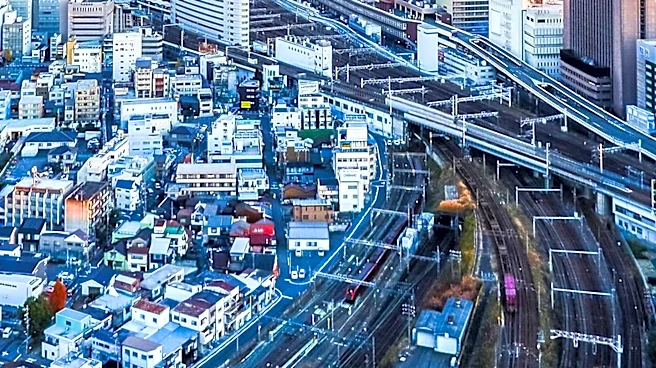
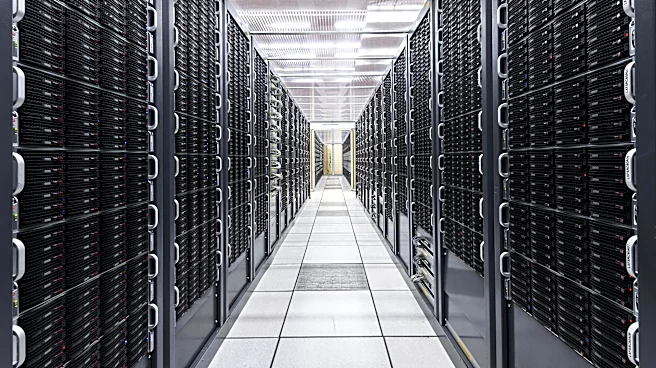
Digital Realty, in partnership with Mitsubishi Corporation through their 50/50 MC Digital Realty joint venture, plans to invest $10 billion in Japan over the next decade. This significant investment aims to expand the company's data center capacity in the country
to approximately 700 MW, a substantial increase from its current reported 193 MW. The expansion will primarily focus on the Tokyo and Osaka metropolitan areas. A key aspect of this buildout is the prioritization of infrastructure designed for AI inference. As part of this initiative, a 24 MW facility, KIX15, is currently under construction at the KIX Campus in Ibaraki City, Osaka Prefecture. This facility is engineered for high-density computing and will incorporate hybrid air- and liquid-cooling systems, with operations scheduled to commence in Q4 2028. This strategic move underscores Japan's growing importance as a hub for hyperscale and AI-driven computing capacity.
Why It's Important?
This $10 billion investment by Digital Realty highlights the increasing global demand for data center infrastructure, particularly for AI-driven applications. For the U.S. technology sector, this expansion signifies a critical move by a major American data center provider to strengthen its international footprint and cater to the burgeoning AI market in Asia. The focus on AI inference infrastructure indicates a strategic alignment with future technological demands, as AI models require immense computational power and specialized cooling solutions. This investment could also set a precedent for other U.S. tech companies looking to expand their data center operations in stable and regulated markets like Japan. The partnership with Mitsubishi Corporation further demonstrates the importance of international collaborations in large-scale infrastructure projects, potentially influencing how U.S. companies approach global market entry and expansion in the digital infrastructure space. The increased capacity will support a wide range of customers, including major cloud providers and financial institutions, reinforcing the digital backbone of the global economy.
What's Next?
The immediate next step for Digital Realty and MC Digital Realty is the continued construction and eventual operational launch of the KIX15 facility in Q4 2028. Following this, the joint venture will proceed with the broader $10 billion investment plan, focusing on developing additional data center capacity in the Tokyo and Osaka regions to reach the 700 MW target. This will involve identifying new sites, securing necessary permits, and deploying advanced infrastructure tailored for AI inference. The company will likely continue to engage with its growing Japanese customer base, which includes major players like Amazon Web Services and Microsoft, as well as local financial institutions and autonomous-driving developers. The success of this expansion could influence future investment decisions by Digital Realty and other U.S. data center operators in the Asia-Pacific region, potentially leading to further competition and innovation in the digital infrastructure market. The capital-markets backdrop, described as 'volatile,' and potential tougher data-center regulation following U.S. midterm elections, as noted by Nikkei, could introduce challenges or adjustments to these plans.
Beyond the Headlines
The substantial investment by Digital Realty in Japan reflects a broader trend of digital infrastructure providers seeking stable and technologically advanced markets for expansion, especially in the context of the AI boom. Japan's reputation as a 'safe haven' with strong rule of law and regulation makes it an attractive destination for such large-scale, long-term investments. This move also underscores the increasing geopolitical importance of data sovereignty and localized data processing, as companies aim to serve regional markets more efficiently and comply with local data regulations. The emphasis on AI inference infrastructure highlights a shift in data center design and operational requirements, moving towards more specialized and energy-intensive facilities. This could lead to significant advancements in cooling technologies and energy efficiency within the data center industry. Furthermore, the competition from other major players like AirTrunk and NTT Data, who are also expanding their investments in Japan, suggests a rapidly evolving and highly competitive market for digital infrastructure, which could drive innovation and potentially lower costs for end-users in the long run.