



What's Happening?
ExxonMobil and Chevron have reported significant increases in their second-quarter profits, driven by global oil supply disruptions due to ongoing conflicts between the U.S. and Iran. ExxonMobil's profits doubled to $14.53 billion, while Chevron's profits nearly
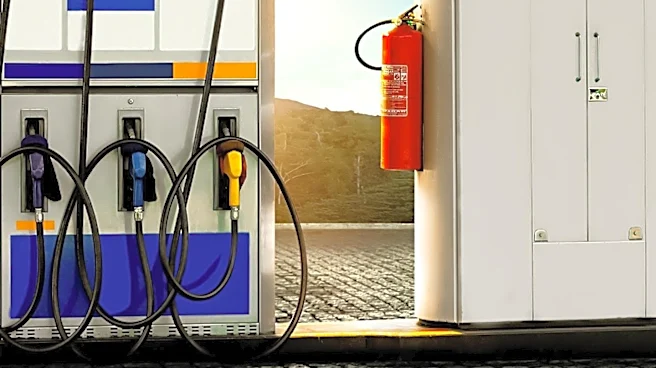
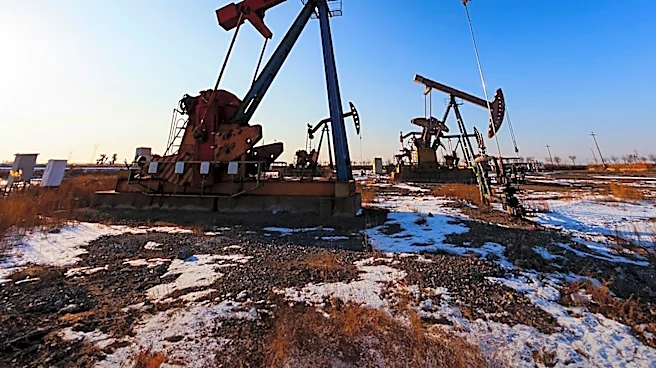
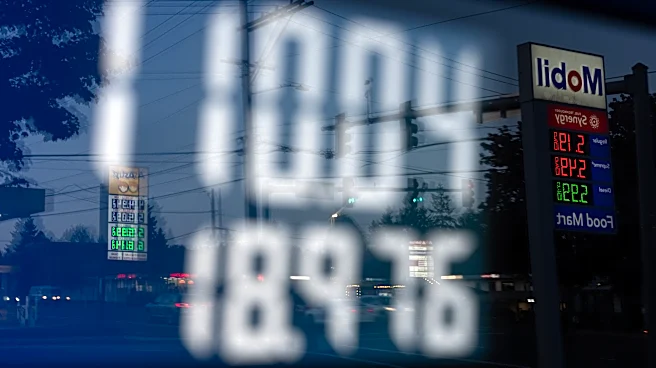
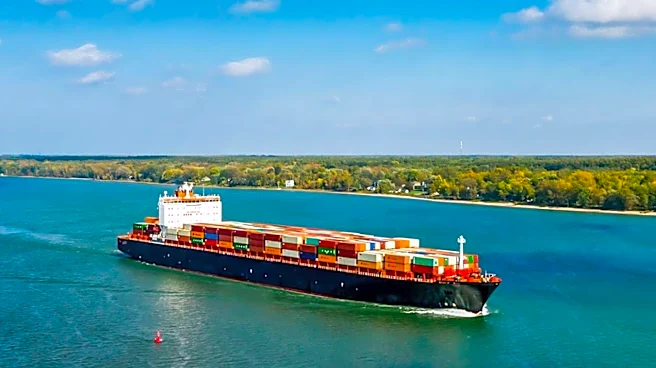
quadrupled to $12.07 billion. These gains are attributed to higher oil prices, which soared due to constrained global supplies. The conflict has disrupted shipping through the Strait of Hormuz, a critical route for oil and natural gas, leading to increased fuel prices worldwide.
Why It's Important?
The soaring profits of ExxonMobil and Chevron underscore the volatility of global oil markets and the impact of geopolitical tensions on energy prices. While these companies benefit financially, consumers face higher fuel costs, affecting transportation and logistics sectors. The situation has prompted legislative proposals in the U.S. to impose taxes on windfall profits from major oil producers, aiming to redistribute proceeds to consumers. This development highlights the ongoing debate over energy policy and the balance between corporate profits and consumer protection.
What's Next?
The proposed windfall profits tax on major oil producers is likely to face significant political debate. If implemented, it could alter the financial landscape for oil companies and potentially lead to changes in pricing strategies. Additionally, continued geopolitical tensions may further influence oil prices and market stability. Stakeholders, including policymakers and industry leaders, will need to navigate these challenges while considering the broader implications for energy security and economic stability.