





What's Happening?
Nakamoto Inc. (NAKA), a Bitcoin treasury company, has successfully extended $60 million USDT of its Kraken loan by one year, pushing the due date from December 4, 2026, to December 4, 2027. The remaining $105 million USDT of the loan is still due on June
30, 2027. This amendment, disclosed in an 8-K filing on November 11, means no principal is due this year. The loan, provided by Payward Interactive, Inc. (Kraken), carries an annual fee of 7.75% if Nakamoto maintains at least 2,000 Bitcoin in a designated Kraken trading wallet, and 8.00% otherwise. Notably, Kraken will now credit the net value of Nakamoto's derivatives trades with Payward Oceanic Ltd. towards collateral, a change that Chief Investment Officer Tyler Evans stated "extends our runway and makes our collateral position more resilient."
Why It's Important?
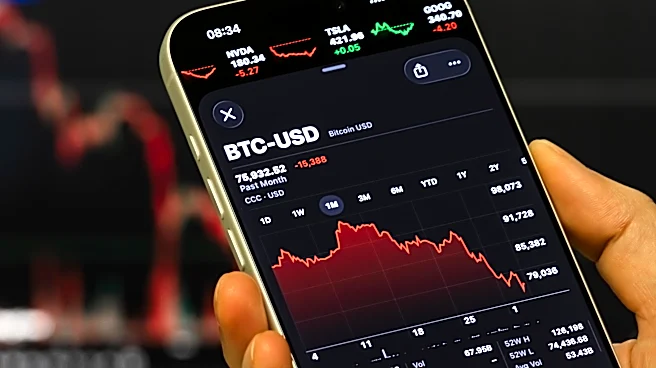
This loan extension and the inclusion of derivatives as collateral are significant developments for Nakamoto Inc. and the broader crypto lending landscape. By pushing back a substantial portion of its debt, Nakamoto gains crucial financial flexibility, especially in a volatile Bitcoin market where prices have recently fallen below $70,000. The acceptance of derivatives, such as Bitcoin put options, as collateral by Kraken indicates a growing sophistication in crypto lending practices, allowing for more nuanced risk management strategies. This could set a precedent for other crypto treasury firms seeking to leverage their digital assets more effectively, potentially increasing liquidity and stability within the sector. However, it also introduces new complexities in collateral valuation and risk assessment for lenders.
What's Next?
The extended loan term provides Nakamoto Inc. with more time to navigate the fluctuating Bitcoin market and potentially improve its financial position. The inclusion of derivatives as collateral means that the company's collateral coverage will now be influenced by the performance of these financial instruments, adding another layer of complexity to its balance sheet. Other crypto treasury firms may explore similar arrangements to enhance their financial resilience. The market will closely monitor how this new collateral structure performs, especially if Bitcoin prices continue to be volatile. This development could also influence regulatory discussions around crypto lending and the types of assets considered acceptable collateral.
Beyond the Headlines
The amendment to Nakamoto's Kraken loan highlights the evolving nature of financial instruments and risk management within the cryptocurrency ecosystem. The integration of derivatives into collateral calculations signifies a maturation of crypto lending, moving beyond simple spot asset collateralization. This trend could lead to more sophisticated financial engineering in the digital asset space, offering companies greater flexibility but also potentially introducing new forms of systemic risk if not managed carefully. The reliance on Bitcoin as a core asset by companies like Nakamoto also underscores the ongoing debate about its role as a store of value and its suitability as a corporate treasury asset, particularly in the face of significant price swings and the need for operational funding.