







What's Happening?
American tourists visiting German beer gardens are frequently unaware of local customs, leading to common social faux pas. Ron Smith, founder of the Beer MBA Program and a European beer tour leader, has outlined key rules to help visitors navigate these
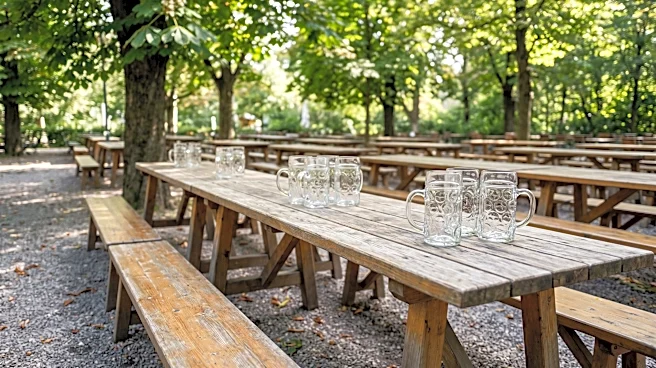
establishments respectfully. These rules cover aspects such as bringing outside food, understanding the 'pfand' system for glass deposits, familiarizing oneself with German cuisine, drinking responsibly, and proper toasting etiquette. For instance, while some self-service areas permit outside food, full-service sections with tablecloths do not. The 'pfand' system, a deposit for beer glasses, is common for 1-liter glasses, and visitors must return the glass or a token to reclaim their deposit. Smith emphasizes the importance of observing surroundings and asking questions, even if the response isn't as effusive as one might expect in the U.S., due to cultural differences in tonality. He also advises against sitting at 'stammtisch' tables, which are reserved for regulars, unless explicitly invited.
Why It's Important?
Understanding and adhering to local customs in international settings is crucial for fostering positive cultural exchange and avoiding misunderstandings. For American tourists, being aware of German beer garden etiquette can significantly enhance their travel experience, allowing for deeper engagement with local traditions and people. Disregarding these unwritten rules can inadvertently lead to perceived disrespect or awkward social situations, potentially diminishing the enjoyment of their trip and reinforcing negative stereotypes. Economically, a more culturally sensitive tourist population can contribute to a more welcoming environment, encouraging repeat visits and positive word-of-mouth, which benefits the local tourism and hospitality sectors. This guidance helps bridge cultural gaps, promoting a more harmonious interaction between visitors and hosts, and ensuring that the unique atmosphere of German beer gardens is preserved and enjoyed by all.
What's Next?
Tourists planning visits to German beer gardens are encouraged to research and familiarize themselves with these guidelines prior to their trip. Travel guides and online resources will likely continue to disseminate such advice to prepare visitors. As international travel resumes and grows, there may be an increased emphasis on cultural sensitivity training or readily available information for tourists to ensure smoother interactions. Local German tourism boards and beer garden associations might also consider clearer signage or multilingual explanations of their customs to assist international guests. For American travelers, the continued availability of resources like Ron Smith's advice will be vital in promoting respectful and enjoyable experiences abroad, potentially leading to a broader trend of pre-travel cultural education.
Beyond the Headlines
The emphasis on beer garden etiquette highlights a broader challenge in international tourism: the balance between a traveler's desire for a relaxed experience and the need to respect local traditions. This situation underscores the subtle yet significant role of unwritten social rules in different cultures. The 'pfand' system, for example, is not just about deposits but reflects a cultural value of resource management and responsibility. Similarly, the specific toasting rituals and the concept of 'stammtisch' tables reveal deeper aspects of German social cohesion and community. For American tourists, navigating these nuances offers an opportunity for personal growth and a more profound understanding of global diversity, moving beyond superficial interactions to a more authentic appreciation of foreign cultures. This cultural immersion can enrich the travel experience far beyond mere sightseeing.