




What's Happening?
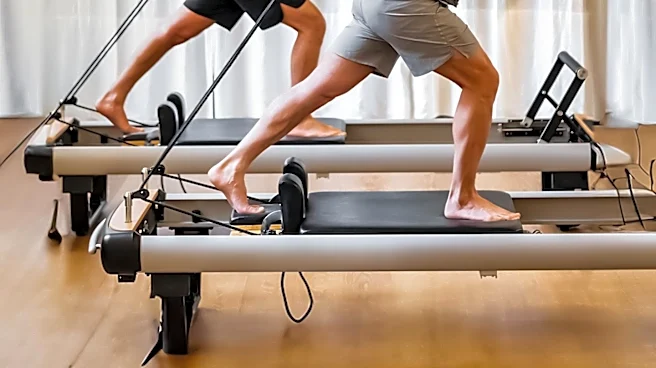
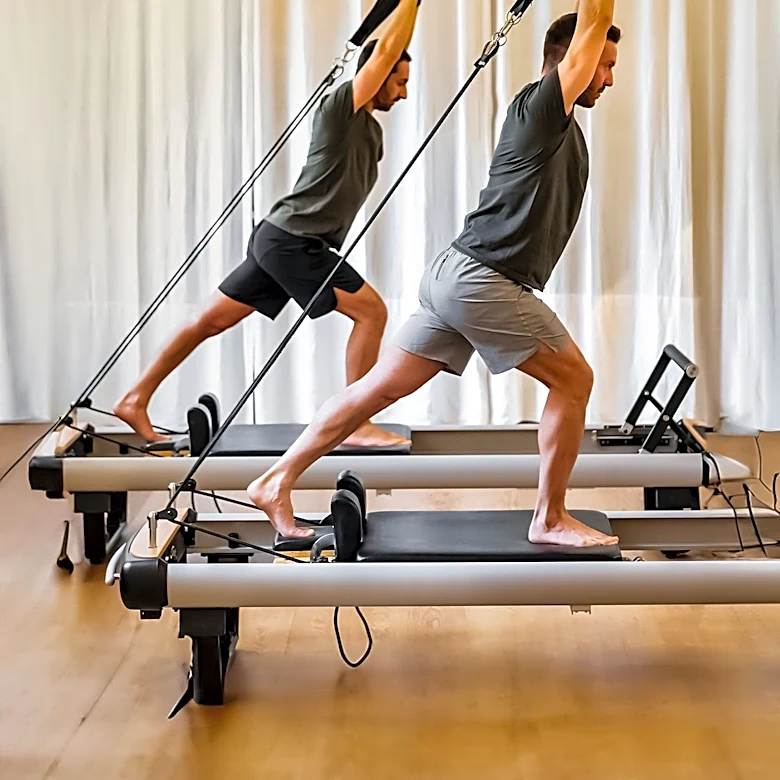
Reformer Pilates is increasingly recognized as a low-impact exercise method that enhances strength, mobility, and body awareness. This specialized form of Pilates utilizes a machine with adjustable spring resistance, allowing for controlled movements
that challenge strength, stability, and coordination. According to Yahoo Health, the reformer's spring resistance, as opposed to gravity, enables a gentler yet effective training of muscle patterns, making it a lower-impact workout. The moving carriage of the Pilates reformer also contributes to improved balance and stability, offering a greater challenge than mat workouts. Furthermore, it serves as a valuable tool for injury rehabilitation by correcting misaligned movement patterns more effectively than bodyweight exercises. A 2025 randomized trial published in Nature indicated that women who engaged in reformer Pilates for 60 minutes three times weekly over eight weeks experienced measurable gains in muscle mass, grip strength, and body composition.
Why It's Important?
The growing popularity and documented benefits of Reformer Pilates hold significant implications for the U.S. health and fitness industry. Its low-impact nature makes it accessible to a wider demographic, including individuals recovering from injuries, older adults, and those seeking alternatives to high-impact workouts. This broad appeal can lead to increased participation in specialized fitness classes and a demand for reformer equipment, benefiting studios and manufacturers. The emphasis on core strength, flexibility, and balance can contribute to improved public health outcomes by reducing the incidence of injuries and chronic pain, particularly lower back pain, which affects a large percentage of U.S. adults. As research continues to highlight its effectiveness, Reformer Pilates could become a more integrated component of physical therapy and preventative health programs, influencing insurance coverage and healthcare recommendations.
What's Next?
The continued validation of Reformer Pilates' benefits through scientific research is likely to drive further adoption and innovation within the fitness sector. Fitness centers and specialized studios may expand their offerings to include more reformer-based classes, catering to various fitness levels and goals. There could also be an increase in the development of at-home reformer equipment and online instructional content, making the practice more accessible to a broader audience. As awareness grows, more individuals may incorporate Reformer Pilates into their regular fitness routines, either as a standalone exercise or as a complement to other physical activities. This trend could also spur further research into its long-term health benefits and its potential role in managing specific health conditions.
Beyond the Headlines
Beyond its immediate fitness advantages, the rise of Reformer Pilates reflects a broader cultural shift towards mindful movement and holistic wellness in the U.S. The practice's emphasis on the mind-body connection, controlled movements, and breathwork aligns with a growing desire for exercise that not only strengthens the body but also supports mental well-being and stress reduction. This trend suggests a move away from purely high-intensity, performance-driven workouts towards more sustainable and internally focused physical activities. The accessibility of Pilates, regardless of age or fitness level, also promotes inclusivity in the fitness community, challenging traditional notions of who can participate in challenging physical regimens. This could lead to a more diverse and health-conscious population, with a greater understanding of functional movement and body awareness.