



What's Happening?
Core training for athletes is shifting from mere abdominal workouts to a comprehensive approach focused on performance enhancement. The goal is to develop a strong trunk capable of handling high levels of force and maintaining stability while the rest
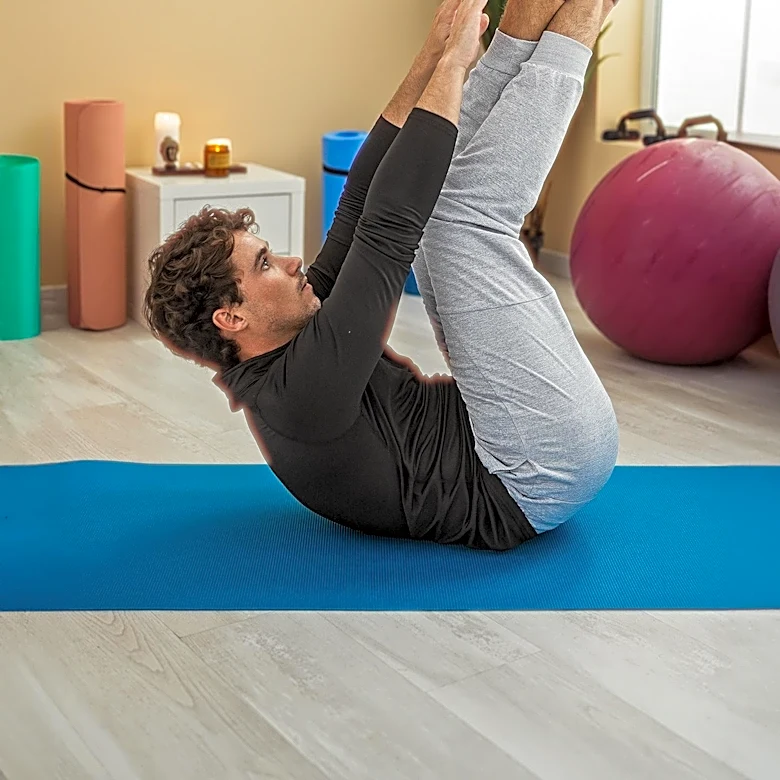
of the body moves at high speeds. This involves training isometric strength, general isotonic core strength, and dynamic core strength. Traditional exercises like sit-ups and crunches, while having a place, are insufficient for the multifaceted demands placed on an athlete's core during activities such as sprinting, jumping, and changing direction. An effective core workout should enable the trunk to resist unwanted movement, produce movement, and efficiently transfer force between the lower and upper body.
Why It's Important?
This refined approach to core training is crucial for athletes across various sports as it directly impacts their ability to generate and absorb force, maintain balance, and execute movements efficiently. A strong, well-trained core acts as a bridge between the upper and lower body, ensuring that force produced by the legs is effectively transferred to the upper body during actions like throwing or swinging. Conversely, a weak core can lead to energy leakage, reducing the efficiency of movements and potentially increasing the risk of injury. By focusing on performance-based core training, athletes can improve acceleration, deceleration, cutting ability, and overall game-speed movement, leading to enhanced athletic performance and a more robust physical foundation.
What's Next?
The emphasis on performance-based core training is likely to continue influencing athletic conditioning programs. Coaches and trainers will increasingly integrate exercises that target isometric, isotonic, and dynamic core strength, moving away from solely focusing on isolated abdominal exercises. This shift will involve incorporating movements that mimic real-game scenarios, requiring the core to stabilize, produce, absorb, and transfer force under dynamic conditions. Athletes can expect to see more varied core workouts designed to build a stronger connection between the ground, lower body, trunk, and upper body, ultimately leading to more effective and injury-resistant performance on the field or court.
Beyond the Headlines
The evolution of core training highlights a broader understanding of human biomechanics in sports. It underscores the interconnectedness of the body's systems and the importance of functional strength over isolated muscle development. This perspective not only benefits elite athletes but also has implications for general fitness and injury prevention in the wider population. By recognizing the core's role in overall stability and force transfer, individuals can adopt more effective exercise routines that promote better posture, reduce the incidence of lower back pain, and improve daily functional movements, moving beyond the aesthetic-driven focus on 'abs' to a more holistic view of core health.