





What's Happening?
Italy is experiencing severe impacts from climate change, including a heatwave that has significantly affected its Parmigiano Reggiano cheese industry. The Italian bank Credito Emiliano (Credem), which accepts unmatured Parmigiano Reggiano wheels as collateral
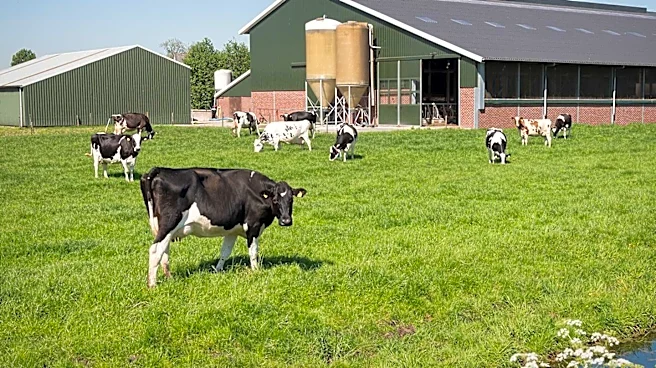
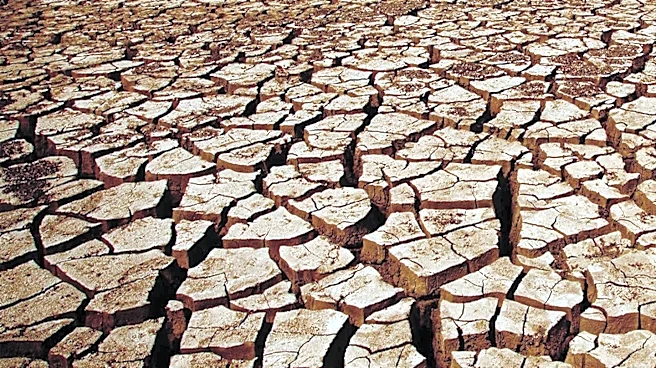
for dairy farms, has been forced to upgrade its cooling systems, boilers, and insulation, and invest in renewable power. This is due to a 30% increase in energy consumption for its climate-controlled vaults during the peak of the heatwave. Two warehouses in Northern Italy store approximately 500,000 wheels of cheese, valued at around $350 million, with the U.S. being the largest foreign market. Beyond storage, the extreme heat also impacts dairy cows, causing them to produce 10% less milk due to reduced grazing and increased stress. Drought conditions further threaten the grasses essential for cheese production in the five authorized provinces. While current production is not at risk, the situation highlights significant vulnerabilities in this 800-year-old industry.
Why It's Important?
The threat to Italy's Parmigiano Reggiano cheese industry has significant implications for global food markets and the U.S. economy. As the largest foreign market for this cheese, the U.S. could face supply chain disruptions and increased prices if production or storage is compromised. This situation underscores the broader economic risks posed by climate change to agricultural sectors worldwide, particularly those reliant on specific environmental conditions. The increased operational costs for banks like Credem, which must invest in climate control infrastructure, could also impact lending practices and the financial stability of dairy farms. Furthermore, the decline in milk production due to heat stress on livestock is a critical concern for food security and the livelihoods of farmers, demonstrating how climate change can directly affect agricultural output and economic viability.
What's Next?
The immediate future will likely see continued efforts by Italian banks and dairy producers to adapt to changing climate conditions, including further investments in energy-efficient cooling systems and potentially exploring new farming techniques to mitigate heat stress on cows. The Parmigiano Reggiano Consortium will likely monitor milk quality and quantity closely, potentially implementing new guidelines or support programs for farmers. Internationally, consumers, particularly in the U.S., may see price fluctuations or changes in availability of Parmigiano Reggiano. The situation could also spur broader discussions and policy changes regarding climate resilience in agriculture and food supply chains, encouraging more sustainable practices and infrastructure development to protect vulnerable industries from extreme weather events.
Beyond the Headlines
This situation highlights the intricate connection between climate change, traditional industries, and global commerce. The vulnerability of an iconic product like Parmigiano Reggiano serves as a tangible example of how environmental shifts can impact cultural heritage and economic stability. It also brings to light the role of financial institutions in climate adaptation, as banks like Credem are forced to become active participants in climate resilience efforts to protect their collateral and investments. The long-term implications could include a reevaluation of agricultural insurance models, increased demand for climate-resilient food systems, and a shift in consumer preferences towards more sustainably produced goods. The story also subtly points to the broader challenge of preserving traditional food production methods in the face of unprecedented environmental pressures.