

What's Happening?
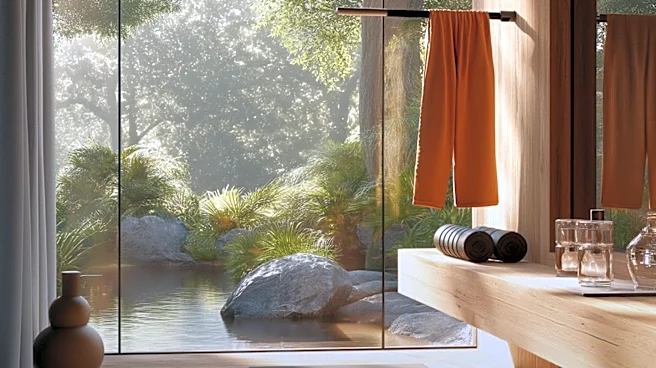
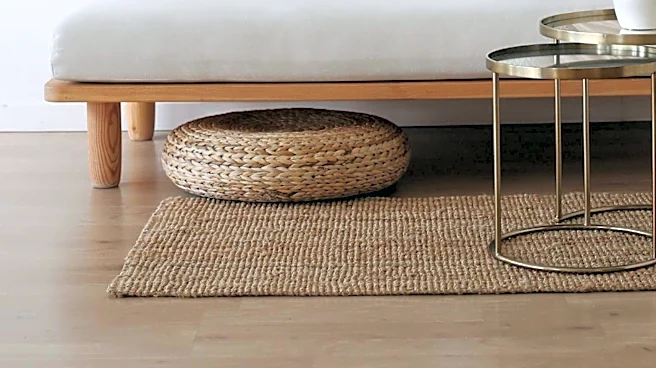
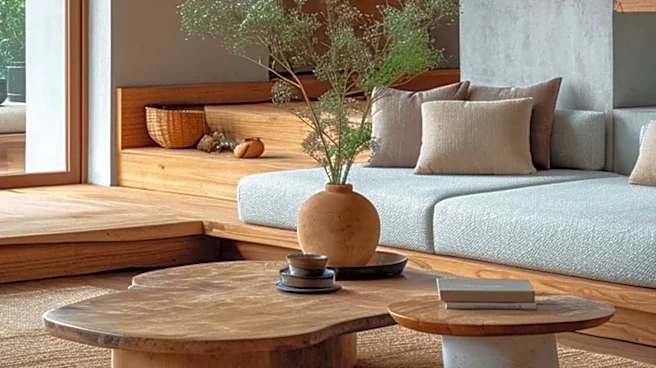
The concept of wellness architecture is gaining prominence in residential design, focusing on creating home environments that offer a retreat-like experience. This trend emphasizes the integration of natural materials and thoughtful design to foster a connection
with nature. Designers are utilizing elements such as natural stone, timber, limewash, and textured concrete to introduce an organic quality that complements the surrounding landscape. A key feature in this architectural movement is the incorporation of outdoor bathrooms, including open-air showers and sculptural freestanding tubs. These outdoor spaces are designed to provide a spa-like experience, allowing residents to connect with the elements and engage in daily rituals that promote relaxation and well-being. The design approach balances visual appeal with practical considerations like water resistance, drainage, privacy, and weather exposure, ensuring these spaces are both beautiful and functional.
Why It's Important?
This shift in residential design reflects a broader societal emphasis on well-being and the desire to create personal sanctuaries within the home. For the U.S. housing and construction industries, this trend signifies a growing demand for specialized architectural services and materials that support wellness-focused living. Manufacturers of natural building materials, outdoor plumbing fixtures, and landscaping elements stand to benefit from this evolving market. Homeowners are increasingly seeking properties that offer more than just basic living spaces, valuing features that contribute to mental and physical health. This could lead to an increase in property values for homes incorporating these wellness design principles and influence future urban planning to include more green spaces and nature-integrated living solutions. The trend also highlights a move away from purely aesthetic design towards a more holistic approach that considers the occupant's overall quality of life.
What's Next?
As wellness architecture continues to evolve, it is anticipated that more architects and designers will specialize in this niche, offering innovative solutions for integrating nature and well-being into residential projects. We may see an increase in the availability of sustainable and natural building materials, as well as advancements in outdoor living technologies that enhance comfort and functionality. The real estate market could begin to feature 'wellness homes' as a distinct category, appealing to buyers prioritizing health and tranquility. Furthermore, building codes and urban development guidelines might adapt to encourage or even mandate the inclusion of green spaces and natural elements in new constructions. This trend could also spur further research into the psychological and physiological benefits of nature-integrated design, solidifying its importance in future architectural practices.
Beyond the Headlines
The rise of wellness architecture points to a deeper cultural shift towards prioritizing personal well-being and a reconnection with the natural world in an increasingly urbanized society. This movement challenges traditional notions of luxury, redefining it not just by opulence but by the quality of life and the sense of peace a space can provide. Ethically, it encourages sustainable building practices and the use of eco-friendly materials, reducing the environmental footprint of residential development. Legally, there might be implications for zoning laws and property rights concerning privacy in outdoor living spaces. Culturally, it reflects a growing desire to slow down, practice mindfulness, and integrate self-care into daily routines, transforming homes into havens that support a balanced lifestyle. This trend could also influence public spaces, leading to more biophilic designs in offices, schools, and community centers.