
What's Happening?
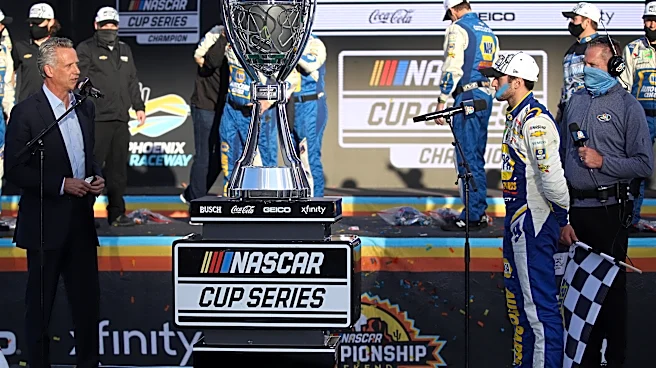
NASCAR's 2026 Cup Series finale at Homestead-Miami Speedway saw a 10.92% drop in viewership compared to the previous year's championship race, attracting 2.471 million viewers. This decline occurred despite the race featuring on-track drama for the win,
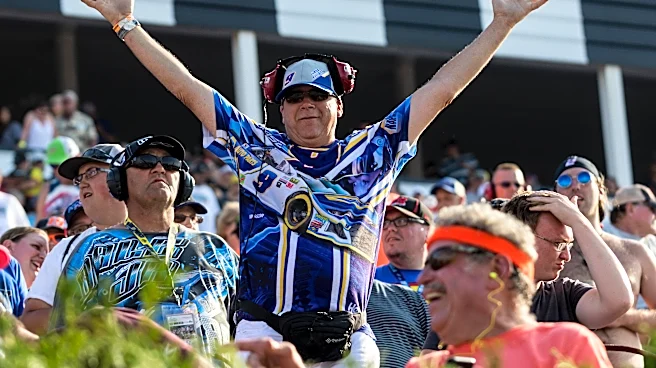
though the championship title was largely decided before the final stages. Overall, NASCAR's television viewership for the 2026 season decreased by 2%. Several races during the Chase also experienced significant viewership drops, including Martinsville (15% decline) and Phoenix (24% decline). NASCAR CEO Steve O'Donnell acknowledged the television challenges, attributing them to competition from college football and the NFL, but highlighted growth in race attendance (up 5% overall, 12% for children 12 and under) and social media engagement. Fans have expressed frustration, questioning NASCAR's strategies to attract new audiences, the effectiveness of influencer collaborations, the return of the Chase format, and the performance of the Next Gen car.
Why It's Important?
The continued decline in NASCAR's television viewership signals potential long-term challenges for the sport's financial health and broader appeal. Television rights are a significant revenue stream for NASCAR, its teams, and tracks, and sustained viewership drops could impact future broadcast deals and sponsorship values. The fan criticism highlights a disconnect between the sanctioning body's strategic initiatives, such as promoting digital content and influencer collaborations, and their effectiveness in translating to traditional television audiences. This situation could lead to a re-evaluation of NASCAR's marketing and content strategies, potentially shifting focus or investment away from initiatives that are not yielding desired viewership results. The debate also touches upon the core product—the racing itself—with criticisms of the Next Gen car suggesting that on-track competition may not be engaging enough for some viewers, which could affect fan loyalty and future attendance.
What's Next?
NASCAR will likely face continued pressure to address its viewership trends and fan dissatisfaction. The organization may need to further analyze the impact of its digital and influencer strategies to determine if they are effectively converting social media engagement into television viewership. Discussions around the Next Gen car's performance and potential modifications could intensify as drivers and fans continue to voice concerns about the quality of racing. The sport's leadership will need to balance efforts to attract new, younger audiences with retaining its traditional fanbase. Future broadcast negotiations could be influenced by these viewership numbers, potentially leading to different content distribution strategies or financial terms. NASCAR's response to these challenges in the upcoming seasons will be crucial for its long-term growth and sustainability.
Beyond the Headlines
The viewership decline in NASCAR reflects broader shifts in media consumption habits and the challenges traditional sports face in a fragmented entertainment landscape. While NASCAR has invested in digital platforms and influencer marketing, the data suggests that online buzz does not automatically translate to linear television viewership, indicating a potential gap in cross-platform engagement strategies. This situation also raises questions about the efficacy of sports leagues relying heavily on social media personalities to 'save' or revitalize their audience base without addressing core product concerns. The fan backlash against the Next Gen car points to a deeper issue of maintaining the integrity and excitement of the sport's core offering while innovating. The ongoing debate highlights the complex task of balancing tradition with modernization in sports, where changes intended to attract new fans can alienate existing ones, leading to a struggle for identity and audience retention.