
What's Happening?
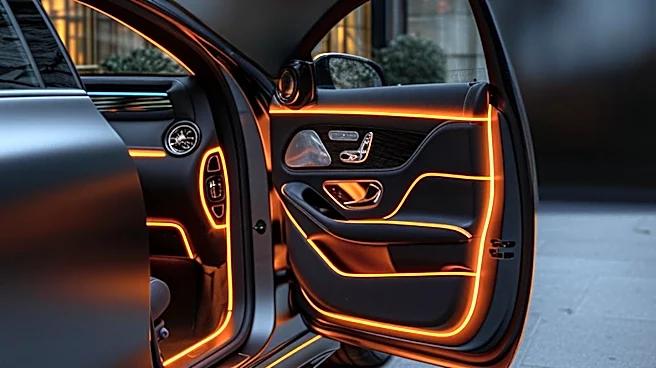
A new 2-pack of car interior LED ambient lights is now available, offering U.S. consumers a versatile way to customize the mood and aesthetic of their vehicles. These compact RGB LED lights are designed
to react to music and sound, featuring a built-in microphone that picks up audio from car stereos, phones, or games. The lights then flash and change color in real-time to the beat, providing a dynamic visual experience. Users can choose from 10 different colors and 8 lighting modes, including dynamic, breathing, and full-color cycling, allowing for a wide range of ambiance settings. The lights are USB rechargeable, offering flexibility for charging via a power bank or direct plug-in during use. Installation is made easy with three mounting options: a hanging strap, a fixed bracket, or a car air vent clip, making them suitable for various placements within a car. Beyond automotive use, these portable lights are also marketed for bedrooms, gaming rooms, or parties, highlighting their versatility.
Why It's Important?
The introduction of these customizable LED ambient lights is significant for the U.S. automotive aftermarket and consumer electronics sectors. It taps into a growing trend of vehicle personalization and the desire for enhanced in-car experiences. For consumers, these lights offer an affordable and accessible way to upgrade their car interiors, potentially increasing driving enjoyment and comfort. The sound-activated feature caters to individuals who want to integrate their music experience with visual effects, creating a more immersive environment. From an economic perspective, this product contributes to the market for automotive accessories, which is a substantial segment within the U.S. retail landscape. The ease of installation and portability also broadens its appeal, potentially driving sales among a wider demographic, including younger consumers and those seeking multi-purpose lighting solutions for various personal spaces. The product's versatility could also impact the home entertainment and gaming accessory markets, as it offers a cost-effective way to create mood lighting in these settings.
What's Next?
The market for customizable car interior accessories is likely to see continued growth, with similar products potentially emerging to offer even more advanced features or integration with smart home ecosystems. Consumers can expect to see these types of ambient lighting solutions become more sophisticated, possibly incorporating app control, voice commands, or integration with vehicle infotainment systems. Retailers in the U.S. will likely continue to stock and promote such products, recognizing the demand for personalization. Manufacturers may also explore partnerships with automotive brands to offer these features as factory-installed options or official accessories. The success of these lights could also spur innovation in related areas, such as interior design for recreational vehicles or commercial transport, where mood lighting can enhance passenger experience. Furthermore, as technology advances, future iterations might include energy-efficient designs or more durable materials to withstand varying environmental conditions.
Beyond the Headlines
Beyond the immediate appeal of aesthetic enhancement, the rise of customizable interior lighting reflects a broader cultural shift towards personalization and experiential design in everyday objects. This trend extends beyond cars to homes, workspaces, and even public spaces, where lighting is increasingly used to influence mood, productivity, and overall well-being. The psychological impact of colored light on human emotions and behavior is well-documented, and these products allow individuals to actively curate their sensory environment. This also touches upon the concept of the 'third space' – a place outside of home and work where individuals can relax and express themselves. For many, their car serves as such a space, and ambient lighting contributes to making it more personal and comfortable. The product also highlights the ongoing convergence of automotive and consumer electronics industries, where features once exclusive to high-end vehicles are becoming democratized through accessible aftermarket solutions, blurring the lines between luxury and everyday consumer goods.