








What's Happening?
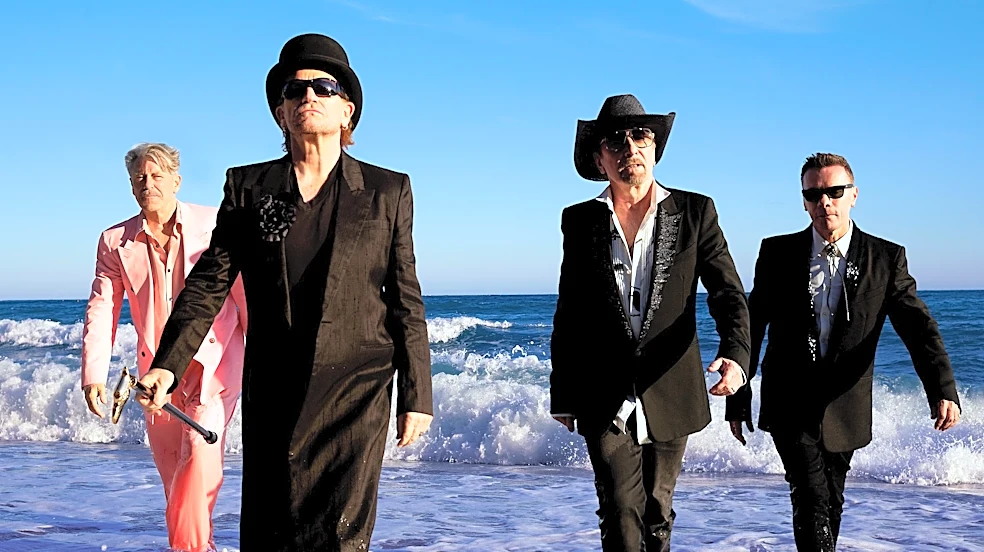
The iconic black-and-white cover photograph for U2's 1987 album, 'The Joshua Tree,' was taken at Zabriskie Point in Death Valley, California, not within Joshua Tree National Park. In December 1986, photographer Anton Corbijn, along with the band and designer
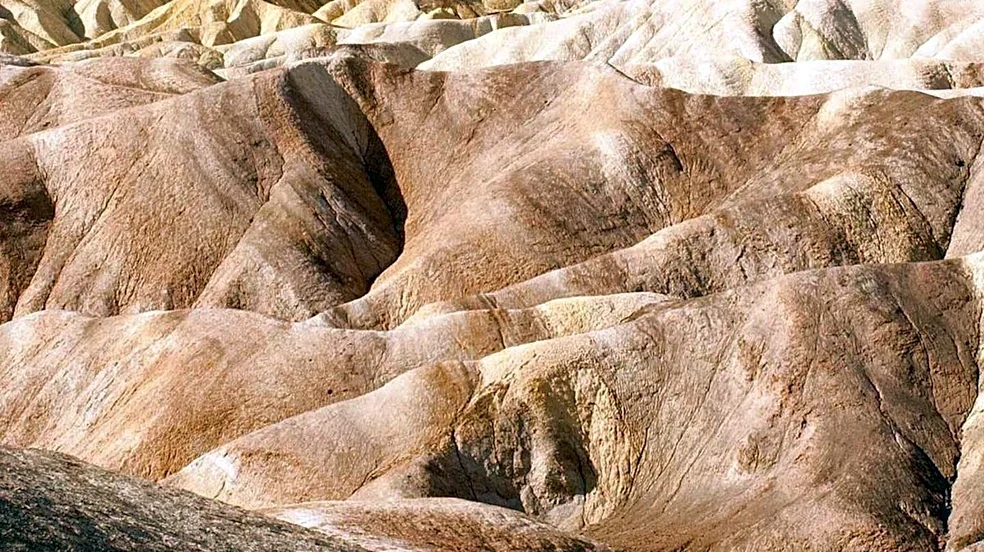
Steve Averill, traveled through the California desert to capture images reflecting themes of America, the desert, and displacement. While the album's title was inspired by a lone Joshua tree found along Highway 190, this specific tree was located over 200 miles away from Joshua Tree National Park. The shoot at Zabriskie Point was brief and cold, contributing to the band's serious expressions in the photograph. Zabriskie Point itself is a scenic overlook in Death Valley National Park, known for its dramatically eroded badlands and unique geological formations, including Manly Beacon.
Why It's Important?
This clarification is important for understanding the cultural and geographical context of one of the most famous album covers in music history. It corrects a common misconception about the location, highlighting the distinct natural beauty of Zabriskie Point in Death Valley, which has long attracted artists and filmmakers for its 'otherworldly appearance.' The album's success brought significant attention to the American desert landscape, and knowing the precise location of its iconic imagery helps to accurately attribute the natural landmark that served as its backdrop. This detail also underscores the broader artistic inspiration drawn from the American West, influencing not only music but also cinema, as seen with Michelangelo Antonioni's 1970 film, 'Zabriskie Point,' which shares the location's name.
What's Next?
The location of the album cover continues to draw visitors, photographers, and fans of U2 to Zabriskie Point in Death Valley National Park. This ongoing interest ensures the site remains a significant cultural landmark. The geological drama, mining-era history, and cultural associations of Zabriskie Point will likely continue to make it one of Death Valley's most iconic and photographed viewpoints, particularly during sunrise and sunset when the colors of the badlands are most vivid. Educational efforts by park services and cultural institutions may further clarify the distinction between the album's title inspiration and the actual photo shoot location, enhancing visitors' understanding of the area's rich history and cultural impact.
Beyond the Headlines
The story of 'The Joshua Tree' album cover extends beyond a simple geographical correction; it delves into the interplay between art, nature, and cultural perception. The band's quest for imagery that evoked a sense of America and the desert speaks to a deeper artistic engagement with the landscape. The fact that the album's title tree was found separately from the cover shoot location highlights how different elements can converge to create a powerful artistic narrative. This narrative, in turn, shapes public perception and draws attention to specific natural sites, influencing tourism and conservation efforts. The enduring appeal of Zabriskie Point, partly due to its association with such a globally recognized album, underscores the profound and lasting impact that cultural works can have on how natural landscapes are viewed and valued.