






What's Happening?
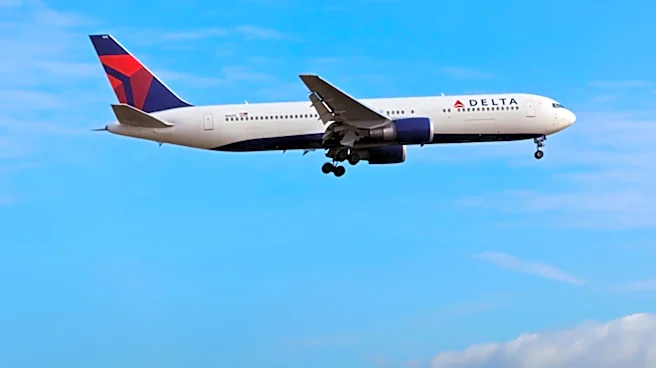
Delta Air Lines has announced a new tiered pricing structure for its premium cabins, similar to the unbundled approach previously applied to economy class. Starting July 8, Delta is offering Basic fares across its premium products, including Delta First,
Delta Premium Select, and Delta One, branded as Basic Business. These fares maintain the same onboard experience but reduce ground services and flexibility. Basic fares come with assigned seating only after check-in, reduced baggage allowance, and no complimentary upgrades. For Delta One, Basic Business passengers receive full onboard amenities but lack access to Delta One Lounges and automatic Sky Club entry. This change is part of a broader strategy to cater to premium travelers who prioritize seat quality over additional perks.
Why It's Important?
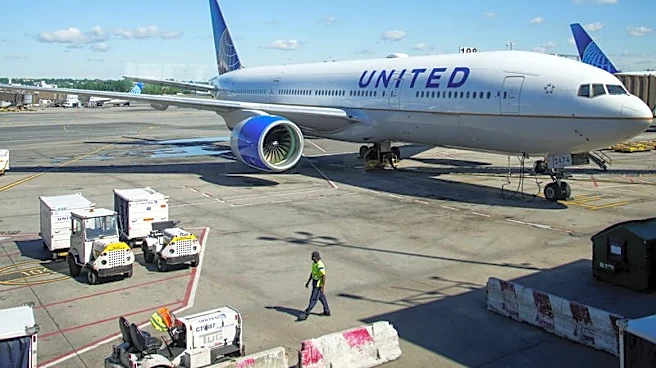
The introduction of tiered premium fares by Delta Air Lines signifies a shift in the airline industry towards more segmented pricing strategies. This move could impact business travelers who may need to adjust expectations regarding lounge access and flexibility. The strategy reflects a growing trend among airlines to offer more customized pricing options, potentially increasing competition among carriers. As Delta and United Airlines adopt similar models, travel agents and corporate clients must navigate these changes to ensure they understand the new fare structures and associated benefits. This development could lead to broader industry adoption, influencing how airlines structure their premium offerings.
What's Next?
Delta is gradually implementing these changes, with Basic Business fares available for purchase now and set to roll out on select routes by September. The transition period allows some passengers to retain lounge access through January 2027, after which alternative access methods will be required. As Delta and United lead this trend, other airlines may follow suit, potentially affecting international markets. Travel agents will need to adapt their sales strategies to accommodate these changes, ensuring clients are informed about the specifics of each fare tier. The industry will be watching to see if other major carriers, such as Qantas or Virgin Australia, adopt similar models.