





What's Happening?
The hygge lifestyle, a Danish concept, focuses on creating a cozy and content atmosphere through mindful creativity and simple pleasures. This approach to living is deeply integrated into Danish homes, where design choices prioritize comfort and relaxation.
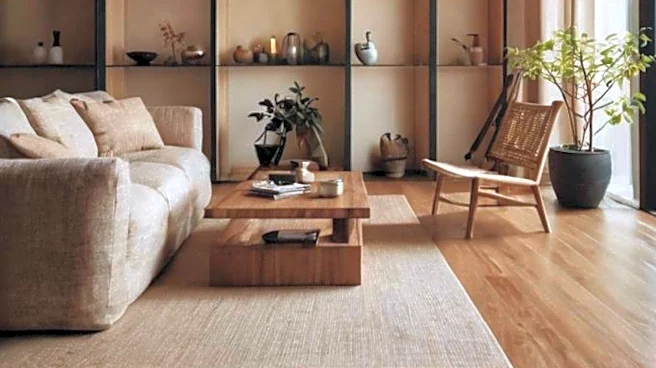
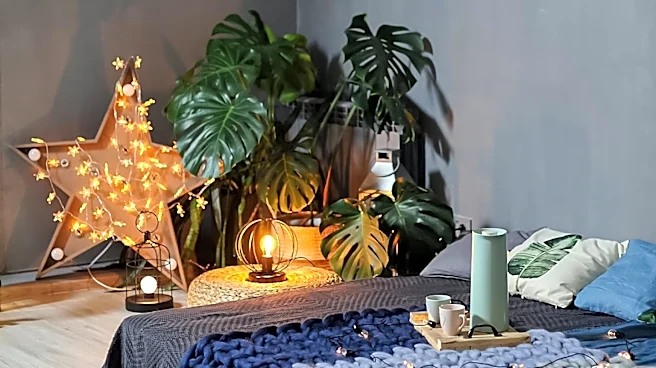
Key principles of hygge home design include layering light from below eye level, incorporating various textures like wool and linen for tactile warmth, and ensuring that items are used and enjoyed rather than merely displayed. For instance, Danish living rooms often feature multiple low light sources and soft furnishings to encourage quality time together. Bedrooms are designed for rest with muted tones and natural fibers, while kitchens embrace warmth with open shelving and wooden elements. Even often-overlooked spaces like bathrooms and home offices can be hygge-fied with thoughtful additions like thick towels, wooden accents, and soft lighting. The core idea is to make daily life warmer and more comfortable through intentional design and usage.
Why It's Important?
The hygge lifestyle offers a counter-narrative to fast-paced, consumer-driven living by emphasizing contentment and well-being through simple, intentional choices. Its focus on creating a comfortable and inviting home environment can significantly impact mental health and stress reduction, promoting a sense of peace and security. For individuals, adopting hygge principles can lead to a more mindful approach to daily life, fostering appreciation for small pleasures and human connection. Economically, the trend influences interior design, home goods, and lifestyle product markets, encouraging demand for items that promote comfort, natural materials, and a relaxed aesthetic. This shift can benefit industries that produce sustainable, high-quality home furnishings and decor. Socially, hygge encourages gathering and shared experiences, potentially strengthening community bonds and personal relationships by prioritizing quality time in a comfortable setting.
What's Next?
The continued popularization of the hygge lifestyle is likely to further influence interior design trends, with an increased demand for natural materials, soft lighting solutions, and comfortable, functional furniture. Consumers may increasingly seek out products that align with hygge principles, such as artisanal crafts, cozy textiles, and minimalist yet warm decor. This could lead to more brands incorporating hygge-inspired collections into their offerings. Furthermore, as awareness of well-being and mindfulness grows, the hygge philosophy may extend beyond home design into broader lifestyle choices, impacting how people approach work-life balance, social interactions, and personal care. Educational content and workshops on adopting hygge practices could also see a rise, as individuals look for practical ways to integrate this concept into their daily lives for enhanced contentment and reduced stress.
Beyond the Headlines
Beyond its aesthetic appeal, the hygge lifestyle reflects a deeper cultural value of prioritizing well-being and human connection over material excess. It challenges the notion that happiness is derived from constant external stimulation or accumulation of wealth, instead suggesting that contentment can be found in simplicity, comfort, and shared moments. This philosophy has ethical implications, encouraging sustainable consumption by valuing quality and longevity over disposability, and promoting a more mindful approach to resource use. Culturally, hygge offers a framework for creating spaces that foster emotional security and belonging, which can be particularly impactful in an increasingly digital and often isolating world. It underscores the importance of the home as a sanctuary and a place for genuine human interaction, potentially leading to a re-evaluation of architectural and urban planning to incorporate more human-centric, comforting elements.