




What's Happening?
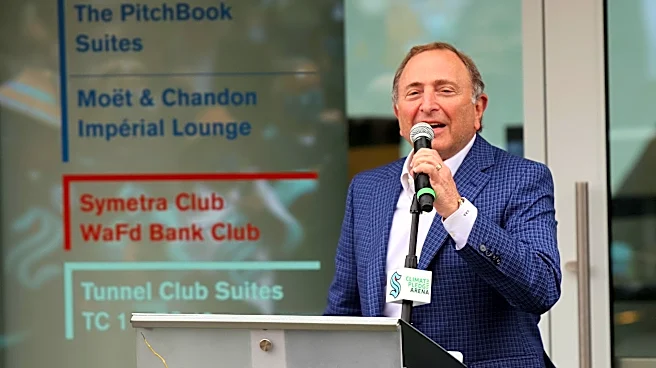
Rapper Macklemore has publicly stated that nine major U.S. arenas, including Seattle's Climate Pledge Arena, rejected his requests to host his 'Free Palestine Tour' benefit shows. According to Macklemore's Instagram post on Friday, venues such as Madison
Square Garden, Prudential Center, Barclays Center, UBS Arena, Intuit Dome, Kia Forum, Crypto.com Arena, and Chase Center initially provided available dates. However, these dates were reportedly withdrawn once the venues learned the shows were intended as benefits for Palestine. Macklemore described this as an unprecedented experience in his over two decades of touring, noting that while the conversations varied, the outcome was consistently the same: the shows were not permitted. This follows an earlier incident in September where Macklemore was dropped from Ed Sheeran's tour after making pro-Palestine remarks. Macklemore recently completed successful, sold-out shows in Dublin, Paris, and London, with all proceeds directed to organizations supporting Palestine.
Why It's Important?
This situation highlights the growing tension and potential repercussions for artists who publicly align with the Palestinian cause, particularly in the U.S. entertainment industry. Macklemore's allegations suggest a pattern of venue resistance that could impact other artists considering similar advocacy. The rejection by multiple prominent arenas, if true, indicates a significant commercial and political sensitivity surrounding the Israeli-Palestinian conflict within the American event management sector. This could lead to self-censorship among artists or force them to seek alternative, non-traditional venues for politically charged performances. For audiences, it raises questions about the accessibility of diverse viewpoints in mainstream entertainment spaces and the potential for political stances to influence artistic freedom and commercial opportunities. The controversy also draws attention to the financial implications for organizations supporting Palestine, as benefit concerts are a common fundraising method.
What's Next?
Macklemore has indicated that his 'Free Palestine Tour' will continue despite the alleged rejections from major arenas. He stated his intention to 'build our own stages,' suggesting a move towards alternative venues or independent event production. This could involve smaller theaters, community centers, or outdoor spaces, potentially shifting the landscape for politically motivated concerts. The controversy may also prompt further discussion and scrutiny from Jewish organizations, which have previously questioned concert promoter Live Nation regarding its vetting processes and the distribution of funds from Macklemore's shows. It remains to be seen whether other artists will publicly support Macklemore's claims or face similar challenges. The situation could also lead to increased dialogue within the entertainment industry about the role of venues in facilitating or restricting politically charged events.
Beyond the Headlines
The alleged venue rejections for Macklemore's 'Free Palestine Tour' point to deeper ethical and cultural implications within the U.S. entertainment industry. This development underscores the complex interplay between artistic expression, political activism, and commercial interests, particularly concerning sensitive geopolitical issues. It raises questions about whether venues, as public-facing entities, have a responsibility to remain neutral or if they are entitled to decline events based on perceived political controversy. The situation could also reflect a broader societal climate where support for Palestine is viewed differently than other social justice causes, potentially leading to accusations of selective censorship or bias. This incident may contribute to a long-term shift in how artists engage with political causes, possibly fostering more independent and grassroots approaches to touring and activism, bypassing traditional corporate venues. It also highlights the ongoing debate about freedom of speech and its boundaries within commercial enterprises.