




What's Happening?
The home improvement industry is seeing a significant shift towards sustainable practices and eco-friendly living. Homeowners are increasingly opting for materials that reduce their carbon footprint without sacrificing style, such as bamboo flooring,
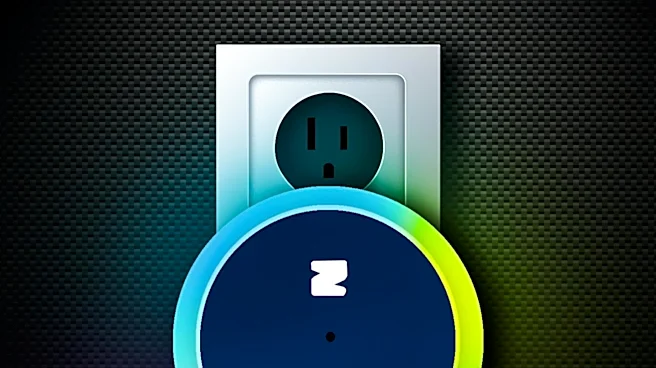
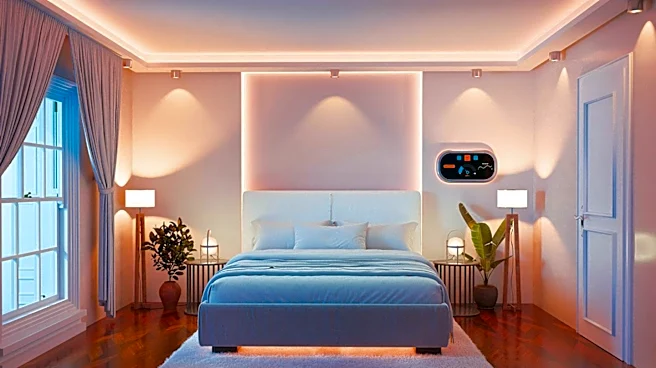
recycled glass countertops, and reclaimed wood. This trend is driven by a desire to improve living spaces while positively impacting the environment. Alongside material choices, smart home technology is becoming integral to sustainable living. Devices like smart thermostats and security systems are designed to learn user habits, enhancing efficiency and convenience. These systems allow for remote monitoring and control of various home functions, making daily life easier and more energy-efficient. The integration of practicality and design is creating comfortable living spaces that reflect personal preferences and environmental consciousness.
Why It's Important?
This growing emphasis on sustainable home improvement is important for several reasons. Environmentally, it promotes the reduction of carbon footprints and encourages the use of renewable or recycled resources, contributing to broader ecological goals. Economically, it creates new markets for eco-friendly materials and smart home technologies, fostering innovation and competition within the construction and tech industries. For homeowners, investing in sustainable practices can lead to long-term cost savings through increased energy efficiency and durability of materials. It also enhances property value and appeals to a growing segment of environmentally conscious buyers. The trend signifies a broader societal shift towards valuing sustainability in personal living spaces, influencing consumer choices and industry standards across the U.S.
What's Next?
Looking ahead, the adoption of sustainable home improvement practices is expected to continue expanding. We can anticipate further innovations in eco-friendly materials, with ongoing research into new sustainable alternatives and improved recycling processes. The integration of smart home technology will likely become even more sophisticated, offering greater automation and personalized energy management solutions. Certifications for sustainable homes, such as Energy Star, will likely gain more prominence, guiding consumer choices and setting industry benchmarks. Additionally, the concept of eco-villages, which combine efficient homes, shared gardens, renewable energy, and water-saving systems within a community-led sustainability plan, may become more widespread, offering a holistic approach to eco-living. This will likely lead to increased demand for skilled labor in green construction and smart home installation.
Beyond the Headlines
Beyond the immediate benefits, the sustainable home improvement trend reflects a deeper cultural shift towards mindful consumption and environmental responsibility. It challenges traditional notions of home design by prioritizing ecological impact alongside aesthetics and functionality. This movement could lead to a re-evaluation of building codes and urban planning, encouraging more sustainable community developments. Ethically, it raises questions about the accessibility of sustainable options for all socioeconomic groups and the potential for 'greenwashing' by companies. Culturally, it fosters a greater connection to nature and promotes a lifestyle that values resource conservation and community well-being. The long-term implications could include a significant reduction in residential energy consumption and waste, contributing to a more resilient and sustainable future for the U.S.