






What's Happening?
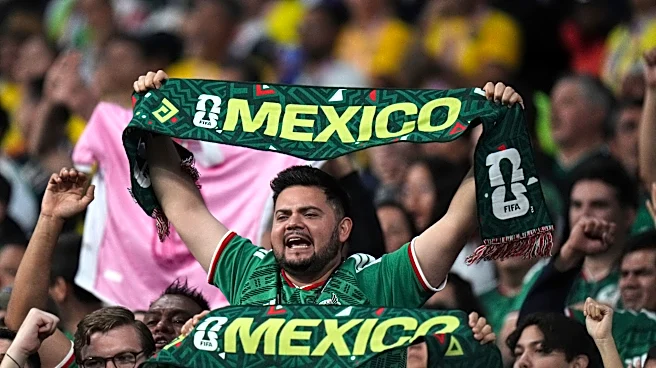
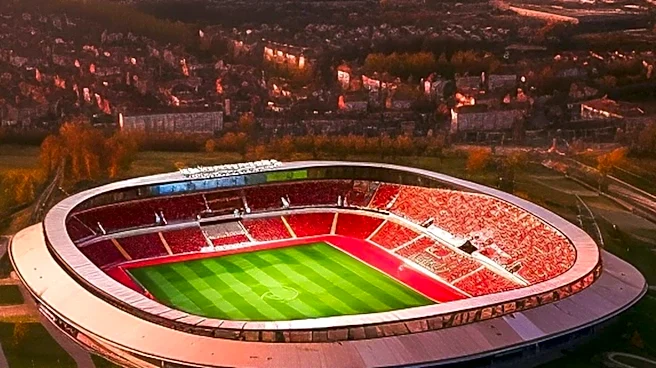
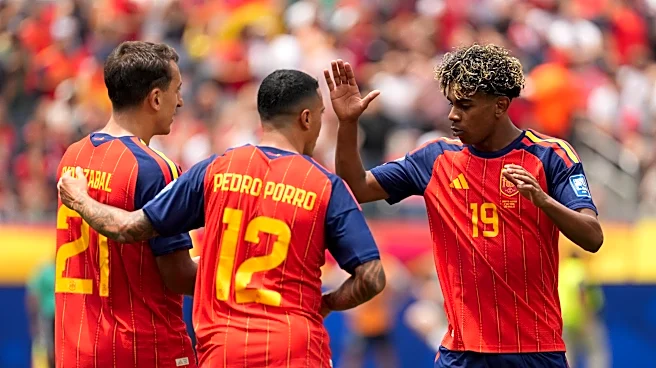
The competition to secure broadcasting rights for the 2030 World Cup is heating up, with major networks and streaming services vying for the opportunity. The tournament, set to be hosted by Spain, Portugal, and Morocco, has attracted interest from Fox,
which currently holds the rights for the ongoing World Cup. Additionally, streaming giants like Apple, Amazon, and Netflix are expected to enter the fray, alongside NBC, which already has Spanish-language rights for the 2026 World Cup. The bidding process is anticipated to be highly competitive, with FIFA poised to benefit from lucrative deals.
Why It's Important?
The outcome of the bidding war for the 2030 World Cup broadcast rights will have significant implications for the media landscape and sports broadcasting industry. Securing these rights is not only a financial boon for the winning network or service but also a strategic move to capture a global audience. The involvement of streaming platforms highlights a shift in how audiences consume live sports, potentially accelerating the transition from traditional TV to digital streaming. This could influence advertising strategies, viewer engagement, and the overall economics of sports broadcasting.
What's Next?
As the bidding process unfolds, networks and streaming services will likely intensify their efforts to present compelling offers to FIFA. The decision will be closely watched by industry analysts and stakeholders, as it could set a precedent for future sports broadcasting rights negotiations. Additionally, the time zone differences for the 2030 World Cup may pose challenges for broadcasters in optimizing viewership, particularly in the U.S. market. The potential for the U.S. team to perform well could also impact viewership and interest levels.