






What's Happening?
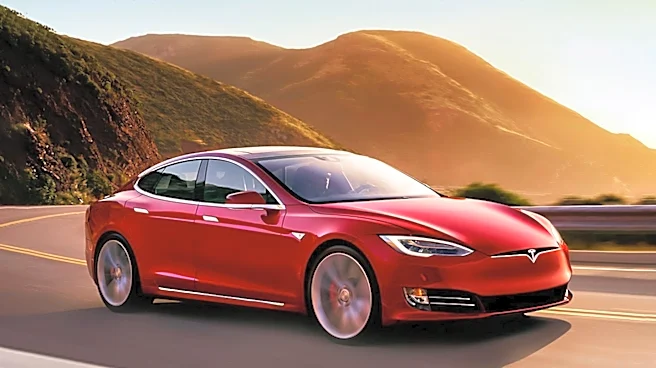
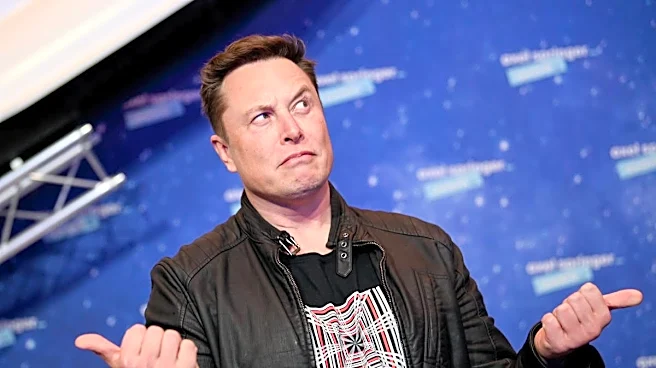
Tesla is anticipated to report its first quarterly cash burn in over two years, driven by significant investments in AI and robotics. CEO Elon Musk has shifted the company's focus from car manufacturing to developing physical AI businesses, such as self-driving
taxis and humanoid robots. This strategic pivot has led to increased spending on AI infrastructure, including data centers and manufacturing capacity, projected to reach $25 billion this year. Despite record vehicle deliveries in the April-to-June period, investors are concerned about the financial impact of these AI investments, as they currently exceed the cash generated by Tesla's core automotive and energy operations.
Why It's Important?
The financial strain from Tesla's AI investments highlights the challenges of balancing innovation with fiscal responsibility. Investors are closely monitoring whether these expenditures will eventually yield high-margin revenue streams, particularly through autonomous-driving technology and robotics. The outcome of Tesla's AI ventures could significantly influence the company's valuation and investor confidence. As Tesla's AI ambitions progress slower than expected, the pressure mounts on the company to demonstrate tangible results and justify its substantial capital expenditures.
What's Next?
Tesla's upcoming earnings call will be crucial in addressing investor concerns and providing clarity on the company's AI strategy. Stakeholders will be keen to hear updates on the deployment of Tesla's robotaxi service and the production of its Cybercab vehicle. The company's ability to meet its self-imposed deadlines and expand its robotaxi network beyond its current locations in Texas and Florida will be pivotal in restoring investor confidence. Additionally, Tesla's response to the most-voted investor questions regarding its AI-driven initiatives will be closely scrutinized.