




What's Happening?
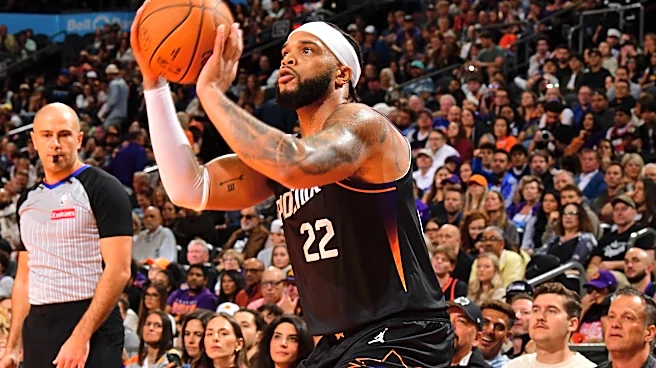
Phoenix Suns forward Dillon Brooks was ejected from a recent game against the Denver Nuggets, an incident he attributes to referees holding a preconceived 'mindset' against him. According to AZCentral's Duane Rankin, Brooks stated that the rule for such
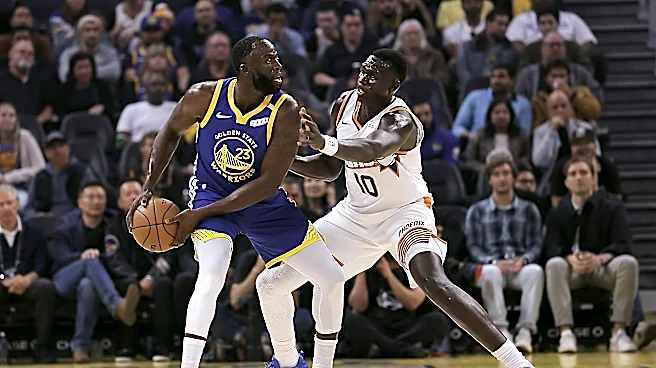
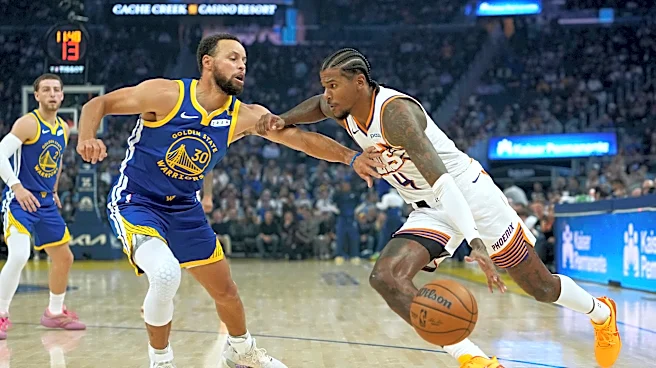
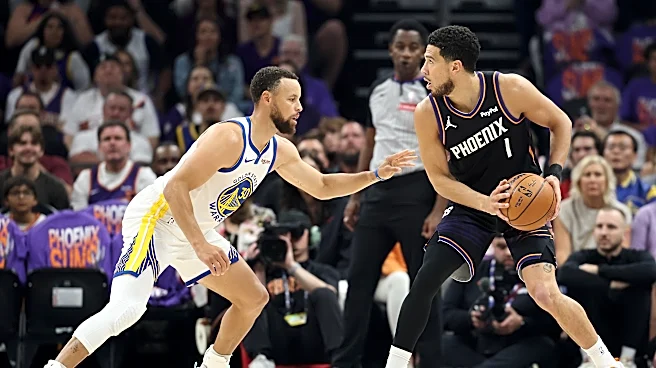
ejections requires intentional contact, and he believes the officials incorrectly assumed his actions were deliberate. He emphasized that the player he made contact with is one of his close friends in the NBA, making the idea of intentional harm illogical to him. Despite the officials reviewing the play multiple times, the ejection stood. Brooks noted that he was not suspended and would be active for the subsequent game against the Golden State Warriors.
Why It's Important?
This incident highlights ongoing tensions between NBA players and officiating, particularly concerning the interpretation of intentional fouls and player reputations. Brooks, known for his physical play and self-proclaimed nickname 'The Villain,' suggests that his past actions influence how referees perceive his current conduct. This dynamic can impact game outcomes, player availability, and potentially lead to a lack of trust in officiating fairness. For the Phoenix Suns, losing a key player like Brooks mid-game can disrupt team strategy and performance, affecting their competitive standing. The situation also raises questions about the consistency and objectivity of referee decisions in high-stakes professional sports.
What's Next?
Dillon Brooks is expected to play in the upcoming game against the Golden State Warriors, as he was not suspended following the ejection. The NBA may review the incident and Brooks's comments regarding referee bias, though no immediate action has been announced. This event could fuel further discussions within the league about player-referee relations and the criteria for ejections. Fans and analysts will likely scrutinize future games involving Brooks and the officiating to see if there are any discernible patterns or changes in how his actions are judged. The ongoing narrative around Brooks's reputation and his interactions with officials will continue to be a point of interest.
Beyond the Headlines
The incident touches upon the broader psychological aspect of professional sports, where player reputations can influence officiating decisions. Brooks's 'Villain' persona, while perhaps a marketing tool, appears to have tangible consequences on the court. This raises ethical questions about whether referees can truly maintain impartiality when a player has a well-established reputation for aggressive or controversial behavior. The situation also reflects the intense pressure on NBA officials to make split-second decisions that can significantly impact games, often under scrutiny from players, coaches, and a global audience. It underscores the challenge of balancing competitive intensity with fair play and consistent rule enforcement.