




What's Happening?
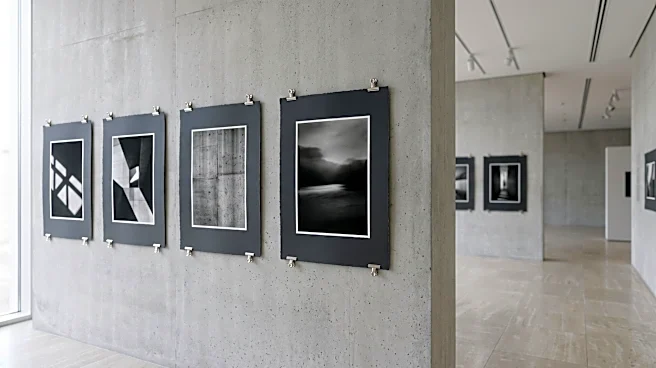
The International Center of Photography (ICP) Museum is hosting educator-led exhibition tours on Thursdays and Saturdays at 1 PM. These tours offer an in-depth look at two current exhibitions: 'I'm So Happy You Are Here: Japanese Women Photographers from
the 1950s to Now' and 'Laia Abril: On Rape and Institutional Failure.' The exhibition on Japanese women photographers, presented in partnership with Aperture, reconsiders and expands the history of Japanese photography through the works of twenty-eight intergenerational artists. Laia Abril's exhibition, part of her ongoing project 'A History of Misogyny,' focuses on different forms of violence against women throughout history. The tours are included with museum admission, and no RSVP is required for ICP members. This is a walking tour of the gallery, and no seating is provided.
Why It's Important?
These exhibitions are important for several reasons. 'I'm So Happy You Are Here: Japanese Women Photographers from the 1950s to Now' offers a crucial re-evaluation of photographic history, highlighting the significant contributions of Japanese women artists who may have been overlooked in traditional narratives. This not only enriches the understanding of Japanese photography but also promotes gender diversity and representation within the art world. Laia Abril's 'On Rape and Institutional Failure' tackles a critical social issue, using art as a medium to explore and expose the various forms of violence against women. Such exhibitions serve as powerful platforms for social commentary, raising awareness and fostering dialogue on sensitive and often challenging topics. By presenting these works, the ICP Museum contributes to cultural discourse and encourages critical engagement with both art and contemporary societal issues.
What's Next?
The educator-led tours provide an enhanced experience for visitors, offering expert insights and context for the artworks on display. These tours are ongoing, allowing a continuous opportunity for the public to engage with the exhibitions. The partnership with Aperture for the Japanese women photographers' exhibition suggests a collaborative effort to bring diverse artistic voices to a wider audience, potentially leading to future collaborations or expanded programming. The themes explored in both exhibitions, particularly those concerning gender, history, and social justice, are likely to resonate with various audiences and could inspire further discussions, educational initiatives, or artistic responses. The museum's commitment to accessibility, as indicated by the provision of accessibility information, ensures that a broad public can participate in these important cultural experiences.
Beyond the Headlines
Beyond the immediate viewing experience, these exhibitions contribute to a broader cultural shift towards more inclusive and socially conscious art programming. The focus on Japanese women photographers challenges established canons and encourages a more nuanced understanding of global art history, moving beyond Western-centric perspectives. Laia Abril's work, by confronting the difficult subject of violence against women, underscores the role of art as a catalyst for social change and advocacy. These exhibitions collectively highlight the power of visual storytelling to illuminate complex human experiences and historical injustices. They also reflect a growing trend in museums to engage with contemporary social issues, positioning art institutions not just as repositories of culture but as active participants in societal dialogue and education, fostering empathy and critical thinking among their visitors.