


What's Happening?
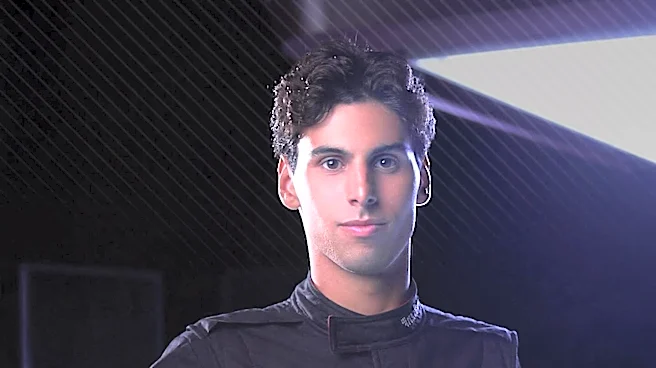
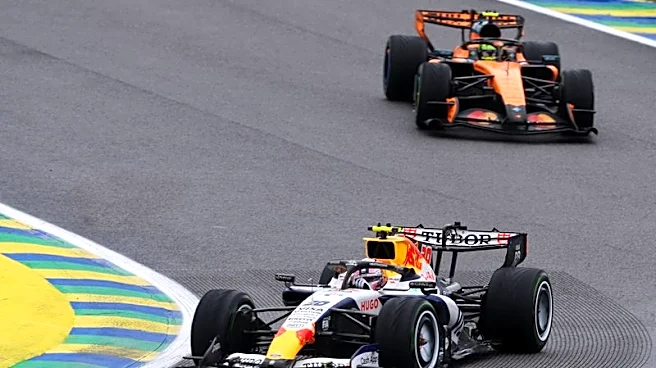
Haas driver Oliver Bearman expressed significant frustration following the Sao Paulo Grand Prix in 2026, where his team failed to score points despite his promising position during the race. Bearman attributed this failure primarily to slow pit stops,
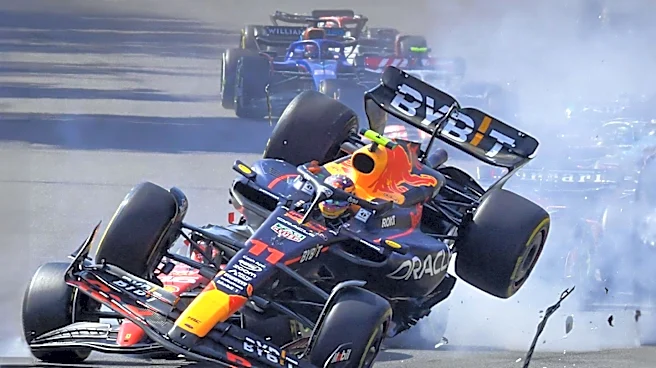
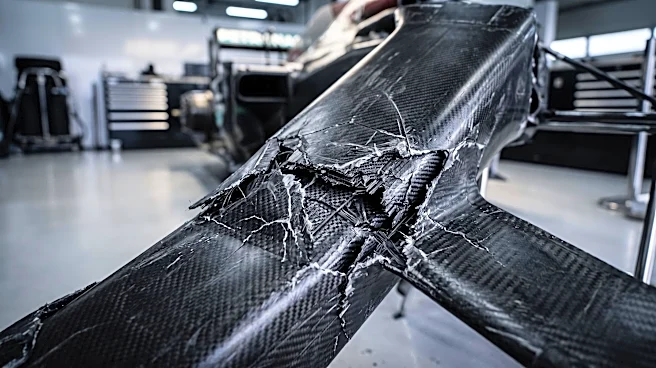
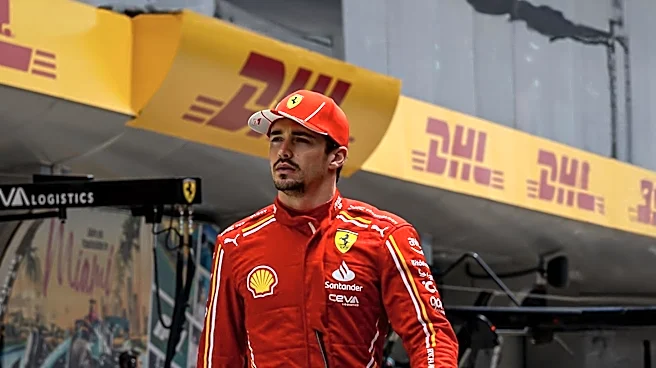
including one that lasted 20 seconds, which he stated effectively ended his race. According to Bearman, he was ahead of prominent drivers like Charles Leclerc and Lewis Hamilton before his first pit stop, both of whom went on to score points. Haas Team Principal Ayao Komatsu explained that the extended first pit stop was due to damage to the rear crash structure of Bearman's car, sustained during an early-race incident with Fernando Alonso's Aston Martin. This damage was not immediately apparent but became clear during the pit stop, preventing mechanics from properly engaging the jack. Additionally, Bearman received a five-second time penalty for an 'Unsafe Release' during a pit stop, where he was sent out into the path of Charles Leclerc, forcing Leclerc to brake and swerve.
Why It's Important?
This incident highlights critical operational challenges within the Haas F1 Team, particularly concerning pit stop efficiency and race strategy execution. In a sport where fractions of a second can determine outcomes, a 20-second pit stop and subsequent penalties are severely detrimental, impacting not only individual driver performance but also the team's standing in the Constructors' Championship. Bearman's public criticism underscores the pressure on Haas, which is currently in a tight battle for seventh place in the Constructors' standings with Audi, with only a three-point difference. The team's inability to capitalize on a strong qualifying performance and a promising race start suggests underlying issues that could affect their competitive viability and financial incentives tied to championship positions. For drivers like Bearman, such operational failures can hinder career progression and reputation, especially when competing against more established teams and drivers.
What's Next?
Haas is under pressure to thoroughly investigate and address the issues that led to the problematic pit stops and penalties. Bearman emphasized the urgency of this, stating that the team is 'giving away' their position in the Constructors' Championship. With only three Grands Prix remaining in the season, the team's ability to resolve these operational shortcomings will be crucial for securing their position against rivals like Audi, who have recently outscored them. The team's response to Bearman's criticism and their subsequent performance in the upcoming races will be closely watched by fans, competitors, and potential sponsors. Addressing these issues is vital not only for their current championship standing but also for their long-term credibility and performance in Formula 1.
Beyond the Headlines
The situation at Haas extends beyond mere technical glitches; it touches upon team communication, strategic decision-making under pressure, and the psychological impact on drivers. The explanation from Team Principal Komatsu regarding the unseen damage during the race points to the complex interplay of real-time data, on-track incidents, and pit crew execution. The 'Unsafe Release' penalty further highlights the stringent safety regulations in Formula 1 and the consequences of even minor procedural errors. This event could prompt a deeper review of Haas's pit stop protocols and communication channels, potentially leading to significant procedural changes to prevent similar occurrences. The public nature of Bearman's frustration also brings to light the intense pressure on drivers to perform, even when external factors beyond their control significantly impede their race.