

What's Happening?
Millennial fashion is undergoing a significant shift, with the once-popular 'French tuck' now considered dated. This styling technique, popularized by Tan France of Queer Eye, involved tucking a shirt slightly at the front to create the illusion of a waist.
However, fashion observers and millennials themselves are moving towards alternative methods, such as the 'Gen Z side tuck,' which involves tucking a shirt into the side of the waistband or even into a bra to expose the waist or hip. Another emerging trend is the 'modern French tuck,' where a half-tucked shirt is paired with baggier or relaxed-fit trousers or skirts, moving away from the 'skinny jeans' aesthetic. Additionally, cinched waist shirts, fully tucked and belted shirts reminiscent of 90s fashion, and even fully untucked shirts are gaining traction. This evolution reflects a desire for fresh, modern, and effortless styling options.
Why It's Important?
This shift in millennial fashion trends highlights the dynamic and often cyclical nature of style, influenced by generational preferences and media. The move away from the French tuck signifies a broader cultural conversation about what is considered current and fashionable, impacting clothing retailers, fashion influencers, and personal styling choices. For the fashion industry, understanding these evolving preferences is crucial for product development, marketing strategies, and inventory management. The embrace of the Gen Z side tuck and the modern French tuck indicates a preference for more relaxed and asymmetrical silhouettes, potentially influencing design trends for upcoming seasons. The resurgence of 90s fashion, including fully tucked and belted shirts, also underscores the power of nostalgia in driving consumer behavior and the continuous reinterpretation of past styles.
What's Next?
The ongoing evolution of millennial fashion is likely to continue, with further experimentation in styling techniques and a blend of nostalgic and contemporary influences. Fashion brands and retailers will likely adapt by offering more versatile clothing items that can accommodate various tucking and untucking styles. We may see an increase in garments designed with adjustable features, such as cinches or ties, to cater to the desire for customized silhouettes. Fashion influencers and stylists will play a key role in popularizing new trends and demonstrating how to incorporate them into everyday wear. The interplay between millennial and Gen Z fashion will continue to shape the market, with each generation influencing the other and contributing to a diverse and ever-changing style landscape. The emphasis on comfort and effortless style is expected to remain a driving force.
Beyond the Headlines
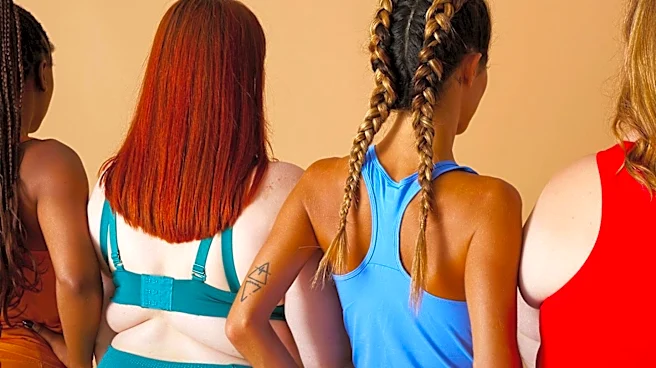
Beyond the immediate fashion trends, this shift reflects deeper cultural currents related to body image, comfort, and generational identity. The move away from the 'flattering silhouette' promised by the French tuck towards more relaxed and body-positive styles suggests a broader acceptance of diverse body shapes and a rejection of rigid fashion rules. The Gen Z side tuck, with its emphasis on exposing the waist or hip, could be seen as a statement of confidence and individuality. The embrace of 90s nostalgia also speaks to a desire for comfort and a simpler aesthetic, potentially as a counter-reaction to the fast-paced and often demanding nature of modern life. This evolution in style is not just about clothes but also about how individuals express themselves and navigate their identity within a constantly shifting cultural landscape.