




What's Happening?
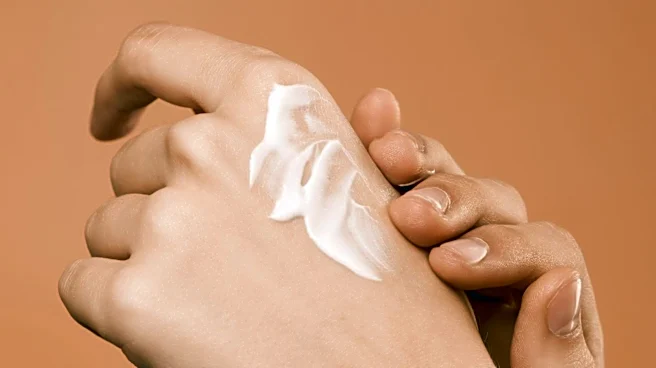
Barrier repair creams are gaining prominence as medium-weight, acne-safe moisturizers designed to restore and maintain a healthy skin moisture barrier. These creams are formulated with specific ingredients such as ceramides, cholesterol, hyaluronic acid,
and glycerin, which are crucial for supporting the skin's protective function. A healthy skin barrier is essential for retaining moisture and defending against environmental irritants. When compromised, the barrier can lead to issues like redness, tightness, flaking, stinging, itching, dryness, and increased sensitivity. Products like Dr. Althea 147 Barrier Repair Cream and Face Reality's Barrier Care Gel Cream are highlighted for their targeted formulations. The focus is on replenishing lipids and humectants to help the skin regain comfort and resilience, rather than relying on aggressive treatments. While these creams support skin health, they are not presented as medical treatments but as aids to the skin’s natural protective capabilities.
Why It's Important?
The emphasis on barrier repair creams signifies a shift in skincare towards foundational skin health, moving beyond aggressive treatments that can exacerbate sensitivity. This approach is particularly important for individuals with acne-prone or sensitive skin, who often experience compromised barriers due to over-exfoliation, harsh products, or environmental stressors. By focusing on ingredients that mimic the skin's natural composition, such as ceramides and cholesterol, these creams help reduce trans-epidermal water loss and strengthen the skin's defense mechanisms. This can lead to a reduction in common skin concerns like dryness, irritation, and reactivity, making it easier for individuals to maintain a consistent and effective skincare routine. The market's response to this need indicates a growing consumer awareness of skin barrier health as a cornerstone of overall skin well-being.
What's Next?
The trend towards barrier-focused skincare is expected to continue, with more brands likely to develop products emphasizing ingredients that support skin integrity. Consumers will likely see an increase in formulations featuring ceramides, hyaluronic acid, and other humectants, often presented in lightweight, non-comedogenic textures suitable for various skin types, including sensitive and acne-prone skin. There will also be a continued push for transparency in ingredient lists, allowing consumers to make informed choices based on specific barrier-supporting components rather than generic marketing claims. Skincare professionals may increasingly recommend simplified routines centered on barrier repair, especially for clients introducing new active ingredients or experiencing skin sensitivity. The industry will likely see further innovation in delivery systems and ingredient combinations to enhance the efficacy of these repair-focused products.
Beyond the Headlines
The rise of barrier repair creams reflects a broader understanding of skin as an organ with complex protective functions, moving beyond purely aesthetic concerns. This shift has ethical implications, as it encourages a more gentle and health-oriented approach to skincare, potentially reducing the incidence of skin damage caused by aggressive product use. Legally, the distinction between cosmetic support and medical treatment for 'barrier repair' remains crucial, with brands needing to carefully phrase claims to avoid misrepresentation. Culturally, this trend aligns with a growing consumer demand for 'skinimalism' and 'skin health first' philosophies, where the focus is on nurturing the skin's natural abilities rather than constantly seeking quick fixes. This could lead to a more sustainable and less reactive relationship with skincare for many individuals, fostering long-term skin resilience.