





What's Happening?
Households across Pakistan are increasingly adopting kitchen gardening, particularly container gardening, to cultivate winter vegetables despite limited space. This method allows for the growth of cruciferous vegetables like cabbage, broccoli, kale, or cauliflower
in 12- to 14-inch containers. For optimal results, gardeners are advised to sow one seed per cell in a seedling tray in late October or early November, or four seeds in a four-inch pot. After germination, the strongest seedling is selected and transplanted into a larger container. Smaller pots, ranging from six to eight inches, are suitable for herbs and leafy greens such as coriander, fenugreek, spinach, and lettuce, allowing for dense crops. These plants can often be harvested multiple times if growing tips or outer leaves are preserved. Wooden fruit crates and raised beds are utilized for peas, garlic, onions, and root vegetables like radish and carrot.
Why It's Important?
The growing trend of container gardening in Pakistan highlights an innovative approach to food security and self-sufficiency in urban and space-constrained environments. This practice empowers individual households to produce fresh vegetables, potentially reducing reliance on external food sources and contributing to healthier diets. The emphasis on winter vegetables, which can be sown from late September to mid-November, aligns with seasonal agricultural cycles and maximizes yield during favorable growing conditions. The ability to grow multiple crops from a single plant or in small pots demonstrates efficient resource utilization, making gardening accessible to a broader population. This movement could also foster community engagement and knowledge sharing around sustainable living practices, promoting a more resilient local food system.
What's Next?
For those looking to start gardening in December or January, the recommendation is to purchase healthy, established seedlings from local nurseries, as the ideal sowing time for many winter vegetables is October and early November. Many winter vegetables can be harvested through March, depending on the specific crop, variety, and local climate conditions. This suggests a sustained period of home-grown produce for participating households. The continued adoption of these gardening techniques could lead to increased demand for gardening supplies, educational resources, and community-based gardening initiatives. Future developments may include more widespread workshops and guides to further support and expand kitchen gardening efforts across Pakistan.
Beyond the Headlines
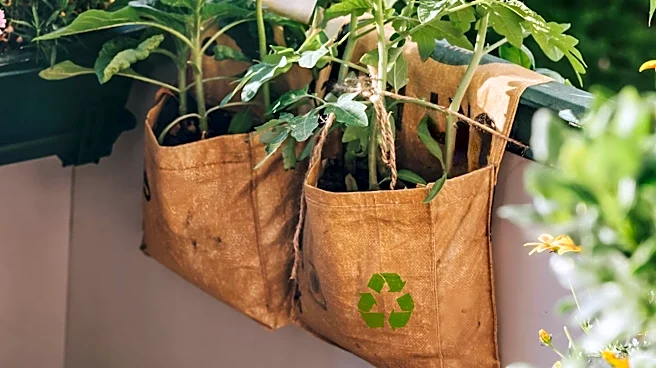
The rise of container gardening in Pakistan reflects a broader global trend towards urban agriculture and localized food production, driven by factors such as urbanization, food cost concerns, and a desire for fresh, organic produce. This practice not only provides nutritional benefits but also offers psychological advantages, including stress reduction and a connection to nature. Environmentally, it can reduce the carbon footprint associated with food transportation and promote biodiversity in urban settings. The adaptability of container gardening to various spaces, from balconies to rooftops, underscores its potential as a sustainable solution for food production in densely populated areas. This movement could inspire policy discussions around urban planning and support for community gardens, integrating green spaces into cityscapes.