


What's Happening?
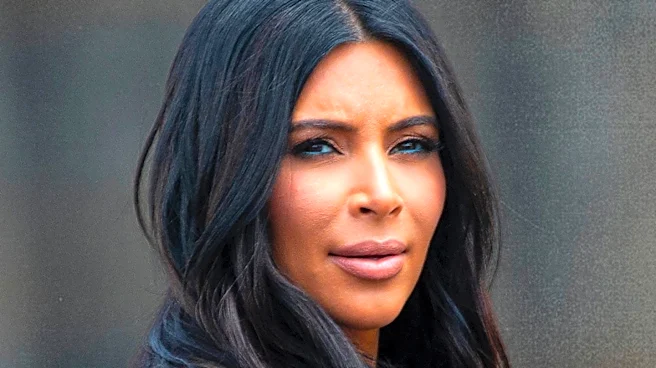
Kim Kardashian has publicly stated a shift in her health philosophy, moving from a focus on physical appearance to prioritizing longevity and cellular health. As part of this new approach, she has revealed her use of a centuries-old device, hyperbaric
chambers, which she believes contributes to a longer, healthier life. However, health experts, including Dr. Owen J. O’Neill, founding medical director of the Department of Undersea & Hyperbaric Medicine at Northwell’s Phelps Hospital, are strongly advising against the use of such devices for general wellness or anti-aging purposes. While hyperbaric oxygen therapy (HBOT) is FDA-cleared for 14 specific medical conditions, such as decompression sickness and severe anemia, experts caution that there is limited scientific evidence to support its purported benefits for longevity or general health in healthy individuals. They also warn about the safety risks associated with unapproved devices and unsupervised treatments.
Why It's Important?
This situation highlights a significant public health concern regarding the promotion of unproven health technologies by influential figures. When celebrities like Kim Kardashian endorse health devices without robust scientific backing, it can lead to widespread adoption by the public, who may be unaware of the lack of evidence or potential risks. This creates a market for unregulated devices and services, potentially endangering consumers who seek quick fixes for health and aging. The FDA has also issued warnings about the improper use of hyperbaric chambers, emphasizing the need for devices to meet safety standards and for treatments to be supervised by trained medical professionals. The distinction between FDA-approved medical uses and unproven wellness claims is crucial for public understanding and safety, especially when dealing with treatments that involve high concentrations of oxygen under pressure, which can have significant side effects.
What's Next?
The ongoing public discourse around celebrity-endorsed health trends is likely to continue, prompting health organizations and medical professionals to reiterate warnings against unproven therapies. There may be increased scrutiny from regulatory bodies on companies marketing hyperbaric chambers for non-FDA-approved uses, particularly those targeting the general wellness market. Consumers are encouraged to consult with healthcare providers before adopting any new health device or treatment, especially those promoted by non-medical figures. Educational campaigns may be necessary to inform the public about the scientific limitations and potential dangers of using hyperbaric chambers outside of approved medical contexts. The incident also underscores the broader challenge of distinguishing credible health information from celebrity endorsements in the digital age.
Beyond the Headlines
This event touches upon the broader societal fascination with anti-aging and longevity, often fueled by the pursuit of 'biohacking' and wellness trends. The allure of extending life and improving health through advanced technologies is powerful, making individuals susceptible to products and treatments that lack scientific validation. The role of celebrity influence in shaping public perception of health and wellness is immense, often overshadowing expert medical advice. This raises ethical questions for public figures about the responsibility that comes with their platform. Furthermore, the incident highlights the regulatory challenges in controlling the marketing and sale of health devices that operate in a gray area between medical treatment and general wellness, especially when they are promoted for uses beyond their approved indications. It underscores the need for critical thinking and evidence-based decision-making in personal health choices.