





What's Happening?
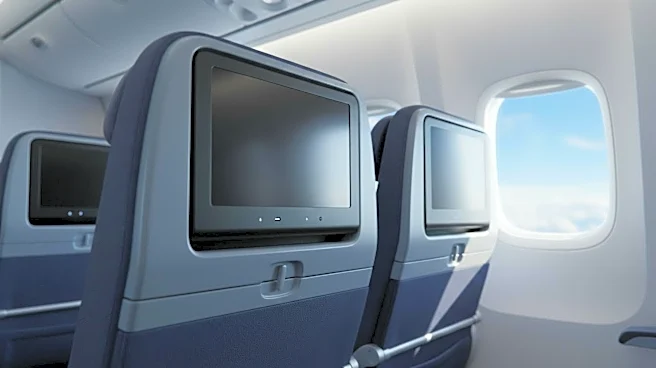
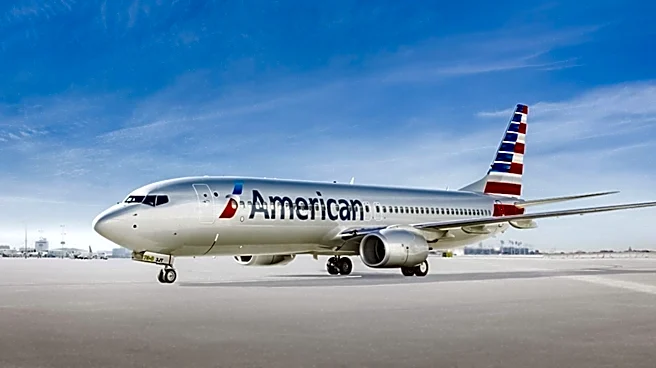
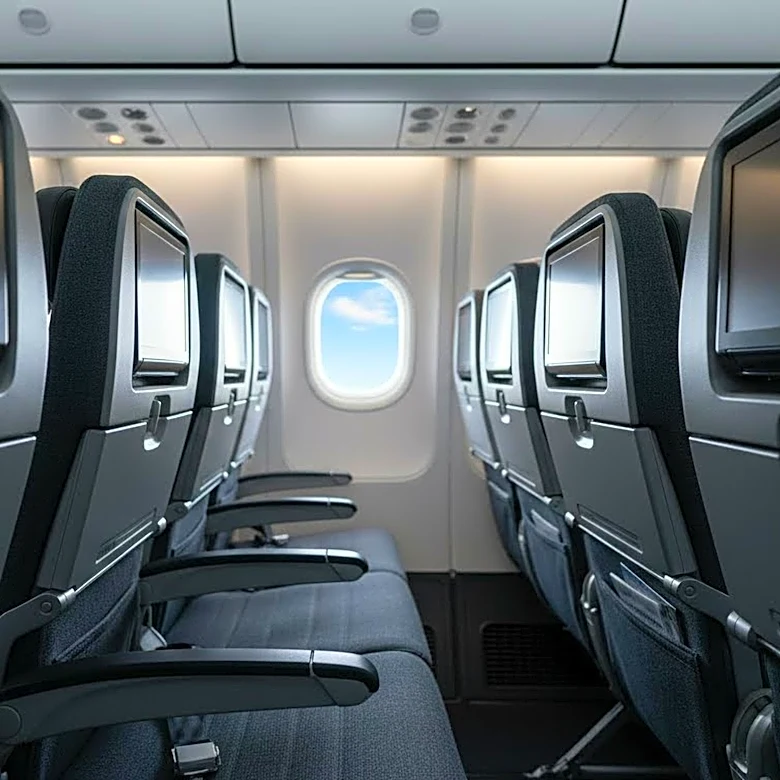
American Airlines has officially announced its decision to reintroduce seatback entertainment screens across its entire narrowbody mainline fleet. This move marks a significant reversal of its previous strategy, which involved removing these screens and
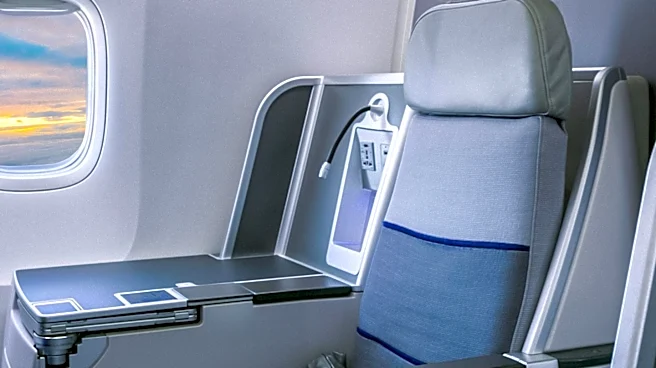
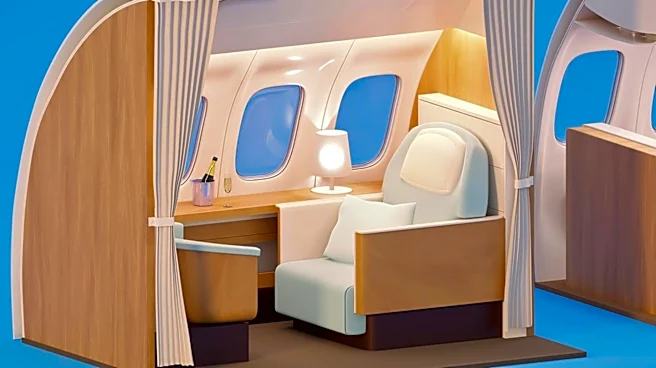
promoting streaming entertainment to personal devices. The airline plans to install 4K displays, including larger screens in premium cabins, with Bluetooth connectivity and USB-C fast charging at every seat. New Airbus and Boeing aircraft delivered to American Airlines starting in 2028 will come equipped with these new systems. Existing mainline aircraft will undergo a retrofit program, with the full rollout expected to be completed by early next decade. Chief Customer Officer Heather Garboden stated that this is one of the most significant investments in the onboard experience in the airline's history, aiming to provide customers with more ways to relax, stay connected, and enjoy their journey.
Why It's Important?
This decision by American Airlines is important as it signifies a shift in the competitive landscape of the U.S. airline industry. For years, American Airlines had argued that passengers could use their own devices for entertainment, a stance that diverged from competitors like Delta Air Lines, which consistently maintained seatback entertainment, and United Airlines, which also reversed its earlier strategy to reintroduce screens. By bringing back seatback screens, American Airlines is aligning its product offering more closely with its major rivals, particularly as it aims to position itself as a premium carrier. This move could enhance customer satisfaction and loyalty, especially for families and those who prefer dedicated in-flight entertainment. The investment reflects a recognition that a comprehensive onboard experience, beyond just streaming options, is a key differentiator in attracting and retaining passengers in a competitive market.
What's Next?
The rollout of the new seatback entertainment systems will begin with new aircraft deliveries in 2028, and a retrofit program for existing mainline aircraft will follow. American Airlines anticipates that the entire narrowbody fleet will be equipped with these screens by early next decade. During this transition period, passengers may experience inconsistencies in the onboard product, with some aircraft featuring the new screens and others still lacking them. The airline will likely focus on communicating the benefits of these new systems to its customers and managing expectations regarding the timeline for full implementation. This initiative is part of a broader effort by American Airlines to improve its domestic product, suggesting that further enhancements to the passenger experience may be announced in the future to keep pace with or surpass competitors.
Beyond the Headlines
The reversal by American Airlines highlights a broader industry trend where airlines are increasingly recognizing the value of a comprehensive and consistent passenger experience. While the initial argument for removing seatback screens centered on cost savings and the prevalence of personal devices, the competitive pressure from airlines that maintained or reintroduced these amenities ultimately proved decisive. This decision underscores that for full-service carriers, the perceived value of a premium experience often outweighs the cost efficiencies of a more minimalist approach. It also suggests a potential shift in consumer preferences, where passengers, despite owning personal devices, still appreciate the convenience and dedicated nature of integrated in-flight entertainment systems, especially for longer domestic flights or when traveling with companions. This could lead to a renewed focus on onboard amenities as a key battleground for airline differentiation.