
What's Happening?
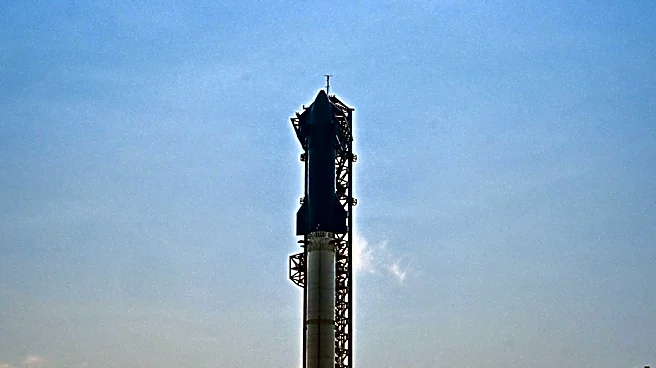
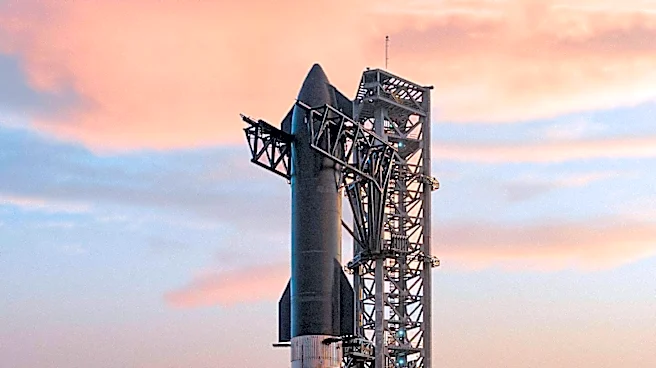
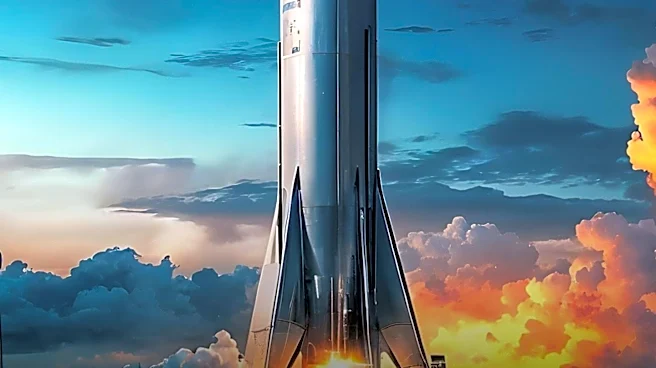
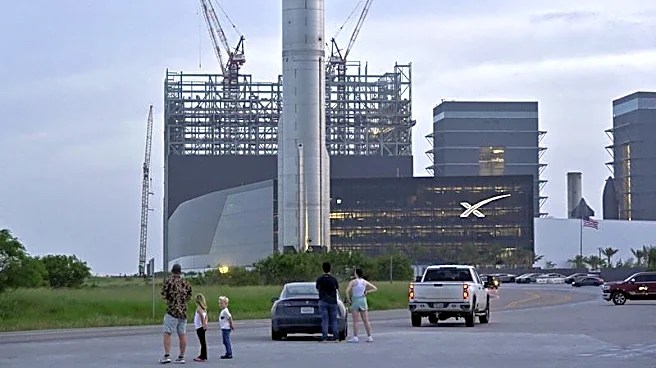
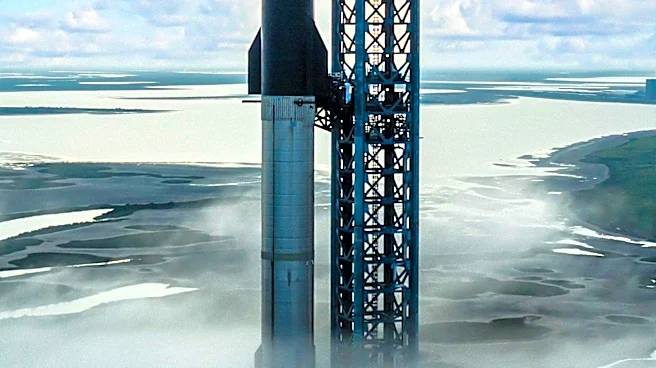
SpaceX has initiated dual flow operations at its Starbase facility, processing two Super Heavy boosters simultaneously. Booster 20 is currently on Orbital Launch Pad 2, preparing for Starship Flight 13,
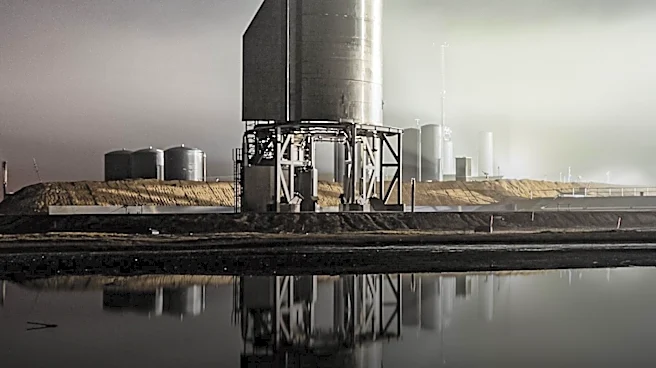
while Booster 21 is returning from cryogenic proof testing for Flight 14. This operational strategy allows SpaceX to maintain a continuous launch cadence, reducing the time between flights. The dual flow approach is a significant step towards achieving a fully reusable launch system, which is essential for SpaceX's long-term goals of frequent and cost-effective space missions.
Why It's Important?
The implementation of dual flow operations marks a critical advancement in SpaceX's operational capabilities. By processing multiple boosters concurrently, SpaceX can increase its launch frequency, which is vital for meeting the demands of commercial, scientific, and governmental clients. This approach also supports SpaceX's vision of making space travel more accessible and sustainable. The ability to quickly turnaround and reuse launch vehicles is a key factor in reducing costs and increasing the viability of long-term space exploration missions.
What's Next?
As SpaceX continues to refine its dual flow operations, the company is expected to further enhance its launch capabilities and efficiency. The success of upcoming flights, including Flight 13 and Flight 14, will provide valuable data and insights for future missions. SpaceX's progress in this area will likely influence industry standards and practices, potentially leading to broader adoption of similar operational models by other aerospace companies. Continued advancements could also accelerate the timeline for achieving SpaceX's ambitious goals, such as Mars colonization and interplanetary travel.