



What's Happening?
The New Orleans Pelicans have begun the 2026-2027 NBA season with a disappointing 0-3 record, prompting increased trade speculation around key players. Despite their struggles and the team's poor start, reports from NBA insider Marc Stein indicate that
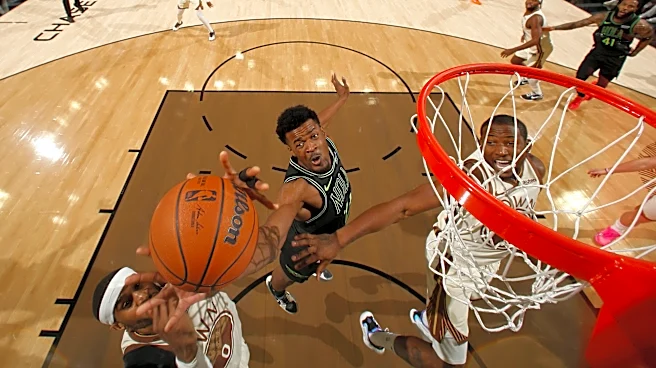
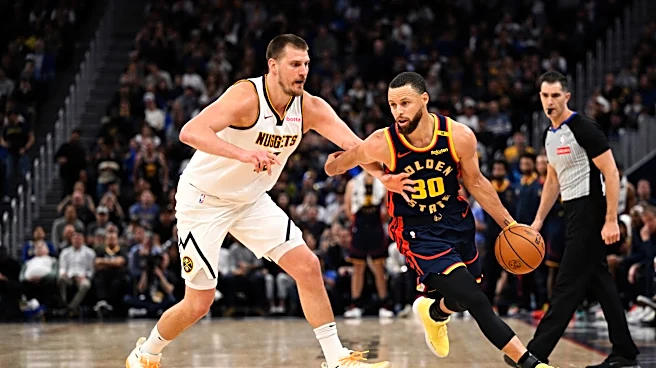
the Pelicans have 'not indicated a willingness' to trade forward Herb Jones. Jones has played limited minutes in the team's initial three games, leading some fans to believe he might be on the trade block. However, the organization has reportedly maintained a high threshold for trade interest in both Jones and Trey Murphy III for several months. The team's performance has been characterized by a high-scoring offense averaging 124.7 points per game, but a porous defense surrendering 128.0 points per game. This defensive vulnerability was highlighted in a recent loss to the Denver Nuggets, where the Pelicans squandered a significant lead.
Why It's Important?
The Pelicans' steadfast position on not trading Herb Jones, a player known for his perimeter defense and three-point shooting ability, signals the team's long-term strategy and belief in its current core. This decision could impact the team's ability to make significant roster changes to address their early-season struggles, particularly on the defensive end. While Jones's development has reportedly plateaued and he has a history of injuries, his defensive prowess is a valuable asset. By holding onto him, the Pelicans are prioritizing continuity and internal development over potentially acquiring new talent through a trade. This approach could either stabilize the team if Jones's performance improves or prolong their current struggles if the existing roster cannot find a winning rhythm. The team's reluctance to trade key young assets like Jones and Murphy III suggests a commitment to their current player development strategy.
What's Next?
The New Orleans Pelicans are scheduled to play the Denver Nuggets in their next game, seeking to secure their first win of the season. The team faces pressure to improve its defensive performance, which has been a significant weakness in their initial outings. With trade rumors swirling, particularly concerning Zion Williamson and Trey Murphy III in previous seasons, the team's management will likely continue to monitor player performance closely. The coaching staff may also consider adjustments to the starting lineup or rotation to spark a turnaround. The team's ability to integrate key players like Zion Williamson and Trey Murphy III more effectively into the offense, ensuring they receive sufficient on-ball touches, will be crucial for future success. The ongoing season will test the Pelicans' resolve and their commitment to their current roster construction.
Beyond the Headlines
The Pelicans' decision to resist trading Herb Jones, despite a challenging start to the season, reflects a broader trend in the NBA where teams often prioritize player development and long-term asset retention over short-term fixes. This strategy can be a double-edged sword; it fosters team chemistry and allows young players to grow, but it can also lead to prolonged periods of underperformance if the core talent doesn't materialize as expected. The team's current struggles highlight the delicate balance between patience and the urgent need for results in professional sports. Furthermore, the emphasis on Jones's defensive capabilities underscores the league-wide value placed on versatile two-way players, even if their offensive game is still developing. The Pelicans' commitment to their young talent will be a significant storyline to watch as the season progresses, potentially influencing future team-building philosophies across the league.