







What's Happening?
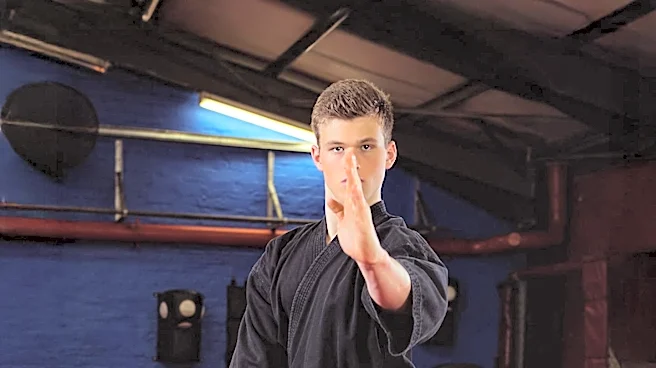
Martial arts training is being recognized for its significant positive impact on mental fitness, extending beyond physical benefits. Practitioners report improvements in self-belief, mindset, and discipline. The training involves intense physical exertion,
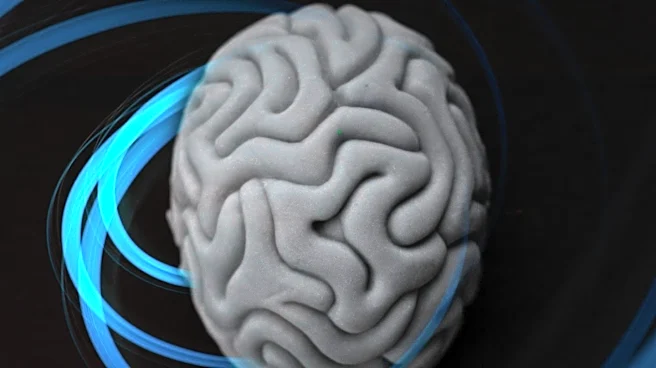
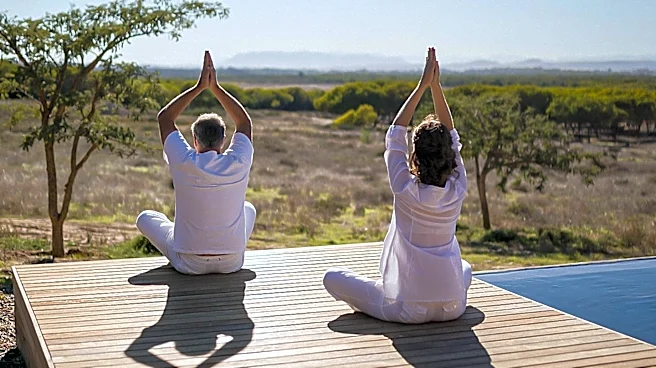
which is known to positively affect mood, anxiety, and depression. Additionally, the immersive nature of martial arts acts as a meditative experience, fully occupying the mind and providing a temporary respite from daily stressors. Unlike solitary workouts, martial arts foster a strong sense of community, offering regular, structured human contact and combating isolation, which is a known predictor of poor mental health. This combination of physical challenge, mental engagement, and social connection contributes to a profound shift in an individual's perception of their capabilities.
Why It's Important?
The role of martial arts in promoting mental fitness is important for several reasons. In a society grappling with rising rates of anxiety, depression, and social isolation, activities that offer a holistic approach to wellbeing are invaluable. Martial arts provide a structured environment where individuals can consistently engage in vigorous exercise, which is a proven mood enhancer. The meditative aspect offers a unique form of stress relief, allowing participants to achieve mental quietness by focusing entirely on the present moment. Furthermore, the community aspect addresses a critical need for social connection, fostering a sense of belonging and mutual support. This can be particularly beneficial for individuals who may struggle to find such connections in other areas of their lives, ultimately contributing to a more resilient and mentally healthy population.
What's Next?
As awareness of the mental health benefits of martial arts grows, there could be an increased integration of such programs into broader wellness initiatives. We might see more collaborations between martial arts studios and mental health professionals, with martial arts being recommended as a complementary activity for mental wellbeing. There's potential for research to further quantify these benefits, leading to evidence-based recommendations for specific populations, such as veterans or at-risk youth. Educational institutions and community centers might also explore incorporating martial arts as a tool for fostering discipline, self-esteem, and social skills. The emphasis on the meditative and community aspects could lead to new training methodologies that specifically target mental fitness alongside physical prowess.
Beyond the Headlines
The profound impact of martial arts on self-belief and mindset goes beyond simple physical conditioning. It challenges individuals to push past perceived limitations, fostering a deep understanding of their own resilience and potential. This shift in self-perception can translate into all areas of life, from professional endeavors to personal relationships, leading to a more proactive and confident approach to challenges. The discipline learned in martial arts, such as consistent practice and adherence to principles, also instills valuable life skills. While not a substitute for clinical treatment, martial arts offer a powerful, non-pharmacological pathway to enhanced mental fortitude and emotional regulation, highlighting the intricate connection between physical activity, mental state, and social environment.