






What's Happening?
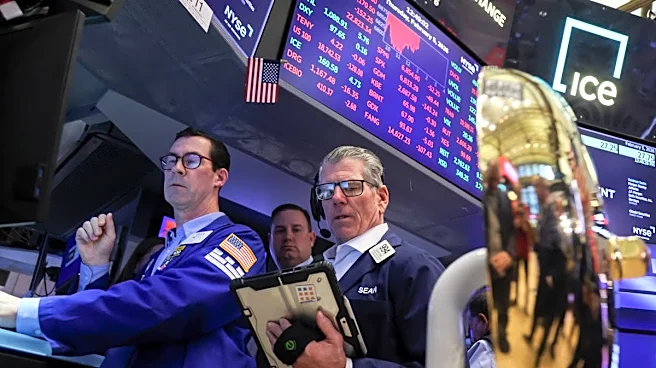
The S&P 500 index experienced a rise of 0.4% on July 14, 2026, recovering some of its previous day's losses. This increase was driven by a report indicating that U.S. inflation was lower than expected, with consumer prices rising by 3.5% in June compared
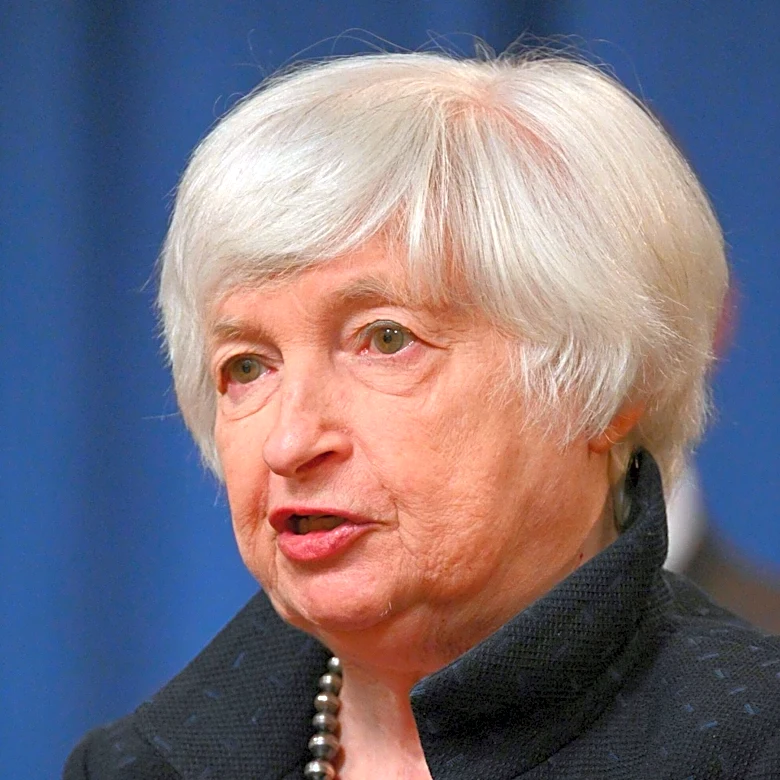
to the previous year. This was a decrease from May's 4.2% and below the anticipated 3.9%. The easing inflation reduced pressure on the Federal Reserve to raise interest rates, which could slow the economy. Additionally, major tech stocks like Micron Technology and Nvidia saw significant rebounds, contributing to the market's stability. However, IBM's stock plummeted by 25.2%, marking its worst day since 1972, due to underperformance in its software and infrastructure sectors.
Why It's Important?
The rise in the S&P 500 and the easing of inflation pressures are significant for the U.S. economy as they suggest a potential stabilization in consumer prices, which could influence the Federal Reserve's monetary policy decisions. Lower inflation reduces the likelihood of interest rate hikes, which can slow economic growth and impact investment prices. The rebound in tech stocks indicates renewed investor confidence in the sector, despite recent volatility. However, IBM's substantial decline highlights challenges within the tech industry, particularly in adapting to shifts in consumer spending and the AI boom. The mixed performance of major companies underscores the ongoing uncertainties in the market.
What's Next?
The Federal Reserve's upcoming meeting will be closely watched, as traders currently see a reduced likelihood of an interest rate increase. The ongoing earnings reporting season will also be pivotal, as companies disclose their financial performance for the second quarter. Investors will be looking for signs of growth to justify current stock valuations. Additionally, geopolitical tensions, particularly in the Middle East, could impact oil prices and, consequently, inflation and market dynamics. Stakeholders will need to navigate these complexities as they assess future economic and investment strategies.