


What's Happening?
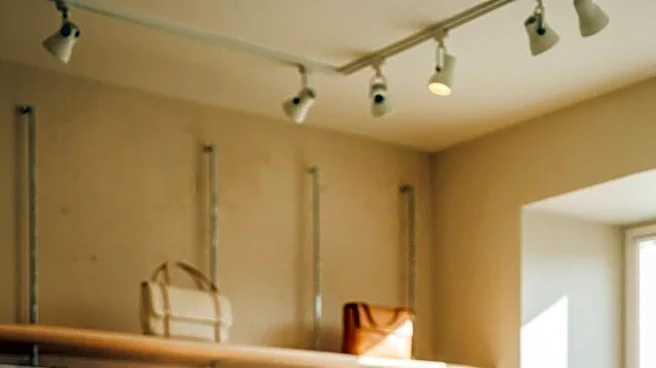
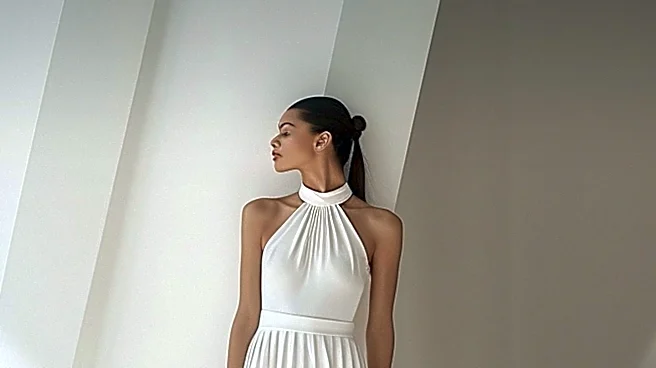
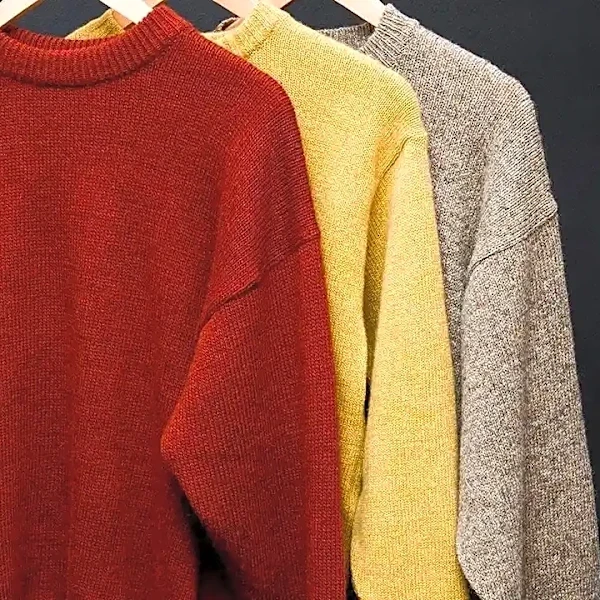
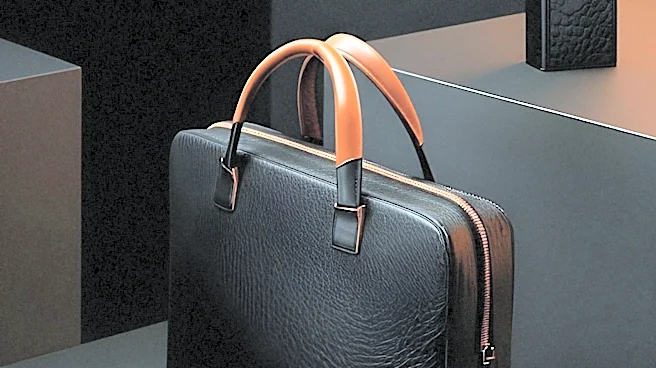
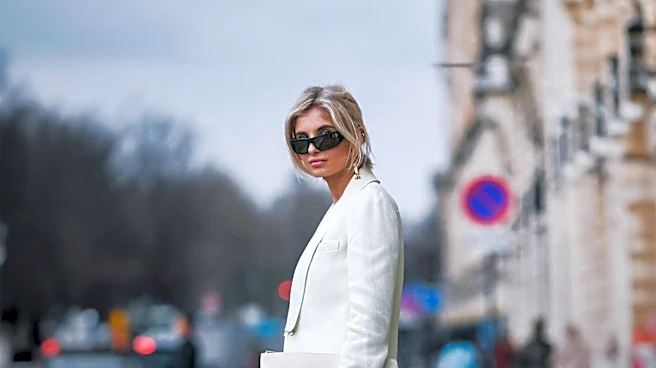
The fashion concept known as 'quiet luxury' or 'stealth wealth' is gaining prominence, characterized by clothing built on superb materials, exact fit, and total restraint, with no visible logos. This style favors cashmere, silk, tailoring, and unbranded
leather goods in a narrow palette of neutral colors. Unlike overt displays of wealth, quiet luxury signals affluence only to those who can discern the quality of fabric and finish. It represents an anti-logo movement, where the value lies in the craftsmanship and materials, rather than prominent branding. This approach contrasts with the louder luxury fashion trends of previous decades, where larger monograms and brighter branding were common. The aesthetic gained significant traction in 2023, notably influenced by the television series 'Succession' and Gwyneth Paltrow's courtroom attire, which featured logo-free cashmere and tailoring.
Why It's Important?
The rise of quiet luxury reflects a shift in consumer values, particularly among affluent demographics, moving away from conspicuous consumption towards a more discerning and understated display of wealth. This trend impacts the luxury fashion industry by prioritizing quality, craftsmanship, and timeless design over brand recognition and seasonal trends. For consumers, it encourages investment in fewer, higher-quality pieces that are durable and versatile, potentially leading to a more sustainable approach to fashion. Businesses in the apparel sector may need to adapt their strategies to focus on material excellence, tailoring, and subtle design, rather than relying on overt branding. This shift could also influence the perception of luxury, making it more about intrinsic value and less about external validation.
What's Next?
The quiet luxury trend is expected to continue influencing fashion and design, potentially leading to a sustained demand for high-quality, unbranded goods. Fashion houses and designers may increasingly incorporate elements of this aesthetic into their collections, emphasizing superior materials and classic silhouettes. Consumers are likely to continue seeking items that offer longevity and versatility, moving away from fast fashion and heavily branded products. This could also spur innovation in textile technology and sustainable manufacturing practices, as the focus remains on the inherent quality and ethical production of garments. The trend's longevity will depend on its ability to evolve while maintaining its core principles of restraint and quality, potentially becoming a lasting pillar of luxury rather than a fleeting trend.
Beyond the Headlines
Beyond its immediate impact on fashion, quiet luxury touches upon broader cultural and psychological implications. It suggests a desire for authenticity and a rejection of superficiality, where status is communicated through subtle cues rather than overt declarations. This could reflect a societal shift towards valuing intrinsic worth and personal discernment over external validation. Ethically, the emphasis on durability and fewer purchases aligns with principles of sustainability and conscious consumption, potentially reducing waste in the fashion industry. Legally, the unbranded nature of quiet luxury items might reduce issues related to counterfeiting, as the value is in the make, not the logo. Culturally, it redefines what it means to be 'well-dressed,' moving from brand-centric to quality-centric, and fostering a more sophisticated understanding of style.