








What's Happening?
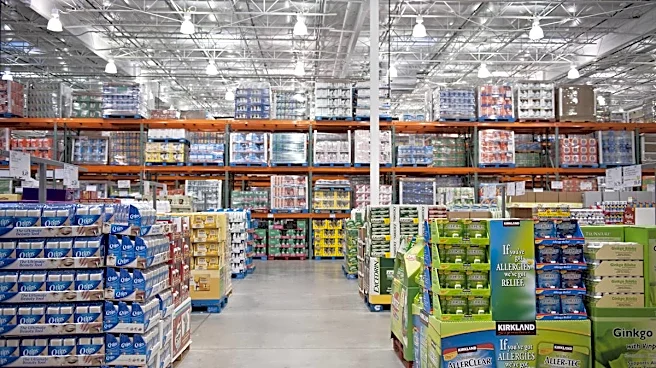
E-commerce brands frequently expand from a single sales channel, such as a direct-to-consumer (DTC) storefront, to include wholesale accounts (B2B) and marketplace platforms like Amazon or Walmart. Each of these channels presents unique requirements for order
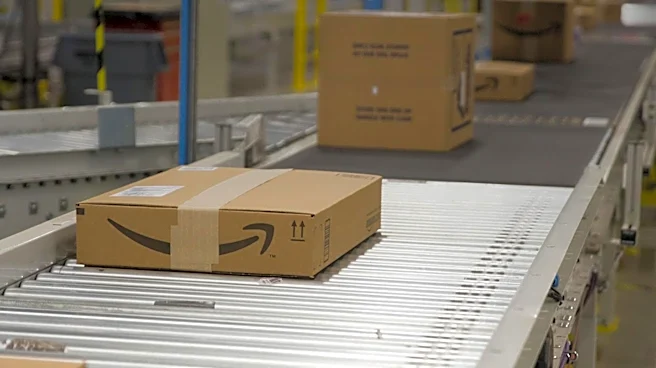
format, packaging rules, and delivery expectations. Managing these diverse demands from a single warehouse becomes complex if the fulfillment operation is not specifically designed for multi-channel integration. Key challenges include differing order data structures, the necessity for real-time inventory visibility across all channels to prevent overselling, and the multiplication of compliance requirements for each new retail partner or marketplace. Without a robust system that can route inventory correctly, manage specific packaging and labeling, and handle channel-unique returns, brands risk chargebacks and customer complaints.
Why It's Important?
The shift towards multi-channel sales is critical for e-commerce brands seeking growth and broader market reach, but it introduces significant operational complexities. For U.S. businesses, inefficient multi-channel fulfillment can lead to substantial financial losses through chargebacks, increased operational costs, and damaged customer relationships. The need for a flexible, integrated warehouse management system is paramount to handle the varied demands of DTC, B2B, and marketplace orders. Without real-time inventory synchronization, brands face the risk of overselling, which directly impacts customer satisfaction and brand reputation. Successfully navigating these fulfillment challenges is essential for scaling operations, maintaining profitability, and competing effectively in a diverse e-commerce landscape where consumers expect seamless and accurate order delivery regardless of the sales channel.
What's Next?
E-commerce brands looking to expand into new sales channels must first ensure their fulfillment infrastructure is adequately prepared. This involves evaluating whether their warehouse management system can correctly route inventory under new channel rules, if their team understands specific packaging and labeling requirements, and if there is a clear plan for channel-unique returns. The trend indicates a move towards unified fulfillment systems that can flexibly manage diverse order types and compliance standards rather than operating separate systems for each channel. Brands will increasingly invest in technology and logistics solutions that provide real-time inventory visibility and automate compliance processes to avoid costly errors and maintain customer satisfaction as they grow their multi-channel presence.
Beyond the Headlines
The complexities of multi-channel fulfillment highlight a deeper operational challenge for modern e-commerce businesses: the need for extreme adaptability and technological sophistication in logistics. Beyond just managing orders, brands must consider the entire supply chain ecosystem, from procurement to last-mile delivery, ensuring consistency and efficiency across all touchpoints. This necessitates a strategic approach to technology adoption, where warehouse management systems are not just tools but central nervous systems for fulfillment operations. The ethical implications also arise when considering the environmental impact of varied packaging requirements and the potential for increased waste if not managed efficiently. Ultimately, successful multi-channel fulfillment is not just about sales, but about building resilient, customer-centric operations that can scale sustainably in an ever-evolving digital marketplace.