





What's Happening?
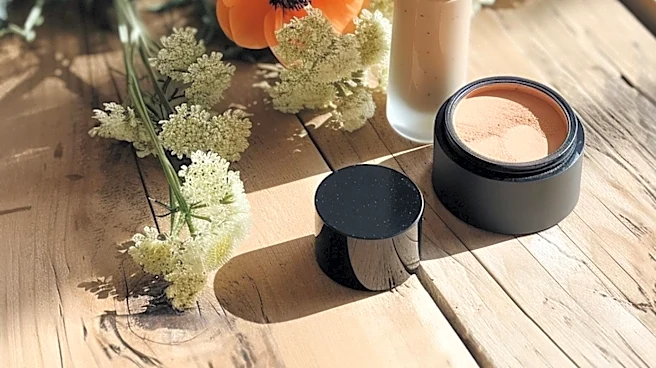
Gucci Westman, a renowned makeup artist, is expanding her beauty brand, Westman Atelier, with the launch of its first liquid foundation, Suprême Bio-Complex Liquid Foundation. Westman Atelier, co-founded with her husband David Neville in 2018, has gained
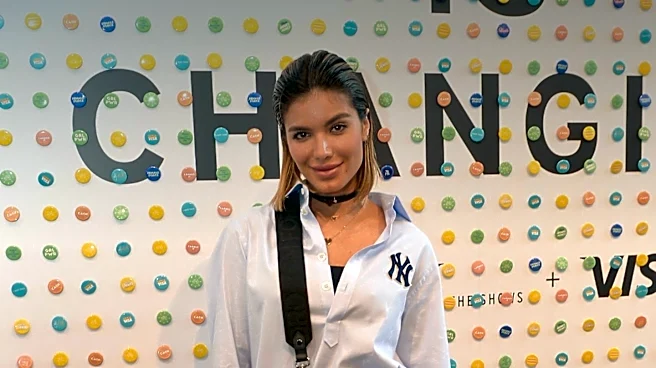
a significant following for its signature makeup products. Beyond cosmetics, Westman is venturing into lifestyle curation. She recently hosted a New York City activation called Good Foundations with ShopMy, where she curated a collection of her favorite products and brands, including Helen Kaminski hats, TWP shirts, and Flamingo Estate candles, in a Soho space designed to resemble her own closet. Additionally, Westman is establishing a new Manhattan headquarters in Flatiron, collaborating with Lyndsay Caleo of The Brooklyn Home Company. Westman has also hinted at future expansions, expressing a strong passion for fragrance. She shared insights into her personal preferences, including her style icons like Harry Styles, Coco Chanel, and Katharine Hepburn, and her favorite designers such as Matthieu Blazy, Phoebe Philo, The Row, and Khaite.
Why It's Important?
Gucci Westman's expansion beyond traditional makeup into lifestyle curation signifies a growing trend among beauty entrepreneurs to build comprehensive brand ecosystems. This move allows Westman Atelier to engage with consumers on a broader level, offering a curated lifestyle experience rather than just individual products. For the U.S. beauty and lifestyle markets, this indicates a shift towards brands that embody a complete aesthetic and set of values, influencing consumer purchasing habits beyond specific product categories. The launch of a liquid foundation, a staple in many beauty routines, positions Westman Atelier to capture a larger share of the competitive cosmetics market. Her venture into physical spaces, like the new Manhattan headquarters and the ShopMy pop-up, reinforces brand presence and provides immersive experiences for customers. This strategy can foster stronger brand loyalty and create new revenue streams. Westman's personal endorsements of other brands and designers also highlight the power of influencer marketing and curated recommendations in shaping consumer tastes and trends within the U.S. market.
What's Next?
The launch of Westman Atelier's first liquid foundation is expected to further solidify its position in the high-end beauty market, potentially attracting new customers seeking premium complexion products. Given Westman's expressed interest in fragrance, a future expansion into this category seems highly probable, which would further diversify her brand's offerings and appeal. The success of her lifestyle curation efforts, such as the Good Foundations pop-up, may lead to more permanent retail collaborations or even the development of Westman-curated lifestyle product lines. The establishment of a new Manhattan headquarters suggests a period of growth and increased operational capacity for Westman Atelier, potentially leading to more product development and brand initiatives. Industry observers will be watching to see how Westman continues to integrate her personal aesthetic and values into her brand's expansion, potentially setting new benchmarks for how beauty brands evolve into broader lifestyle entities. Her influence as a tastemaker will likely continue to shape trends in both beauty and lifestyle sectors.
Beyond the Headlines
Gucci Westman's strategic moves reflect a broader evolution in the luxury brand landscape, where personal branding and curated experiences are becoming as important as the products themselves. Her transition from a celebrated makeup artist to a lifestyle curator underscores the power of authenticity and personal taste in building a successful brand. This approach blurs the lines between personal identity and commercial enterprise, creating a more intimate connection with consumers. The emphasis on creating a 'world' around her brand, from her own closet-inspired pop-up to her curated list of favorite items, taps into a consumer desire for aspirational living and trusted recommendations. This trend also highlights the increasing importance of physical spaces in an e-commerce-dominated world, offering immersive brand experiences that cannot be replicated online. Ethically, this model raises questions about the commodification of personal taste and lifestyle, yet it also offers a powerful way for consumers to align with brands that reflect their values and aspirations. Westman's journey exemplifies how modern entrepreneurs are leveraging their personal brand to create multifaceted businesses that resonate deeply with their target audience.