








What's Happening?
Belarus and China are set to significantly advance their trade and economic cooperation, particularly in mechanical engineering, the petrochemical industry, light industry, and emerging technologies like artificial intelligence. Belarusian Economy Minister
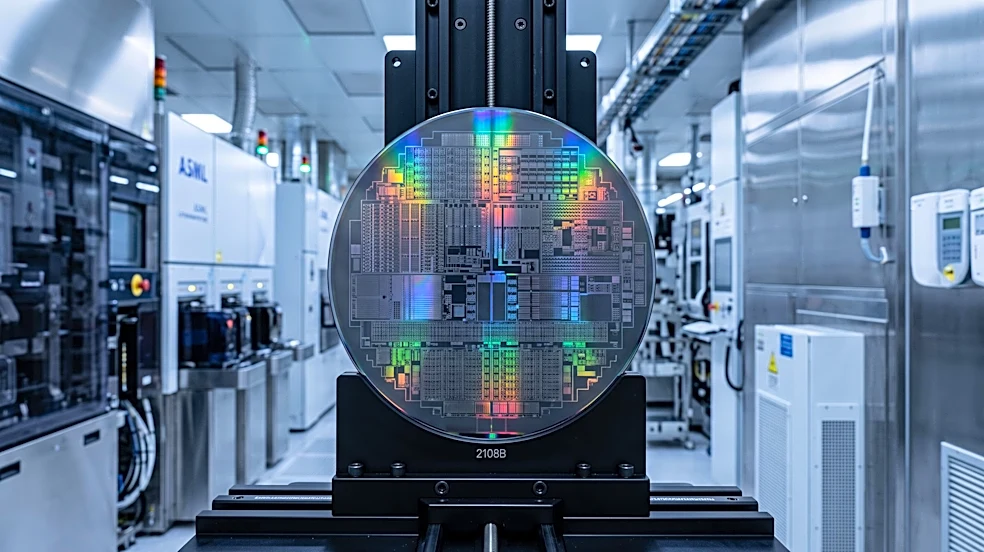
Yuri Chebotar announced that the trade turnover between the two countries, excluding services, is projected to reach $10 billion this year. The focus for Belarus is on expanding the quantity and variety of its exports, especially food, processed goods, and agricultural products, leveraging China's large market and recognition of Belarusian quality. The recent agreement on trade in services and investments is expected to unlock new opportunities, particularly in digital technologies and AI, which Chebotar highlighted as a crucial area for technological support and idea realization.
Why It's Important?
This expanded cooperation is vital for both nations. For Belarus, it represents a strategic move to diversify its economy and reduce reliance on traditional markets, while also gaining access to advanced Chinese technology and investment. The target of $10 billion in trade turnover signifies a substantial economic partnership that can bolster Belarus's industrial and technological capabilities. For China, strengthening economic ties with Belarus reinforces its Belt and Road Initiative, extending its economic influence into Eastern Europe and securing new markets for its goods and services. The collaboration in AI and digital technologies could also foster innovation and shared technological advancements, benefiting both economies in the long run and potentially setting new standards for regional economic integration.
What's Next?
The two countries are actively working on over 40 project ideas across more than ten technological areas for 2026-2027, designated as the 'Years of Industrial Cooperation.' These projects span mechanical engineering, the petrochemical industry, and woodworking. The China-Belarus industrial park Great Stone continues to be a key hub for investments, having attracted 30 new residents this year, bringing the total to 180, with nearly $2 billion in investments. Plans are also underway to expand the preferential regime within the park to maintain optimal operating conditions. A landmark infrastructure project, the Eurasian Railway Gateway at the Great Stone park, will offer comprehensive logistics services, with trains expected to launch soon between China and Belarus as part of its official opening.
Beyond the Headlines
The deepening economic and technological collaboration between Belarus and China has broader geopolitical implications. It signifies a strengthening of ties between two nations that often find themselves at odds with Western policies, potentially creating a more robust economic and political bloc. The focus on advanced technologies like AI and the development of major logistics hubs like the Eurasian Railway Gateway suggest a long-term strategy to build interconnected infrastructure and supply chains that could bypass traditional Western-dominated routes. This could lead to a gradual shift in global trade patterns and influence, fostering a more multipolar economic landscape and potentially impacting the geopolitical balance in Eurasia.