






What's Happening?
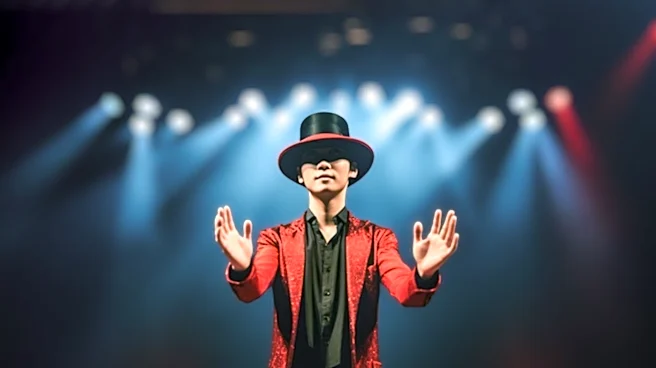
Boy George has released an AI-generated reggae track titled 'We Will Dance Again,' which has been embraced by many in the Jewish and pro-Israel communities. The song, however, has faced criticism for its perceived lack of artistic quality and authenticity.
Critics argue that the use of AI in creating the song undermines its intended message of support for Israel, particularly given the serious nature of the topic it addresses. The song's lyrics and execution have been described as clumsy and potentially offensive, raising questions about the effectiveness of AI-generated content in advocacy and cultural expression.
Why It's Important?
The release of 'We Will Dance Again' highlights the complexities of using AI in creative and advocacy contexts. While AI technology offers new possibilities for content creation, it also raises concerns about authenticity and the potential for superficial or exploitative messaging. The song's reception reflects broader societal skepticism towards AI-generated music, particularly among younger audiences who value genuine artistic expression. This case underscores the need for careful consideration of AI's role in cultural and political advocacy, as well as the importance of maintaining quality and credibility in AI-generated content.
Beyond the Headlines
The controversy surrounding Boy George's song illustrates the challenges of balancing technological innovation with cultural sensitivity and artistic integrity. As AI becomes more prevalent in creative industries, there is a growing need for ethical guidelines and standards to ensure that AI-generated content aligns with the values and expectations of diverse audiences. The debate also highlights the potential for AI to influence public perception and discourse, particularly in politically charged contexts. As the use of AI in music and advocacy continues to evolve, stakeholders must navigate these complexities to harness the technology's potential while mitigating its risks.