







What's Happening?
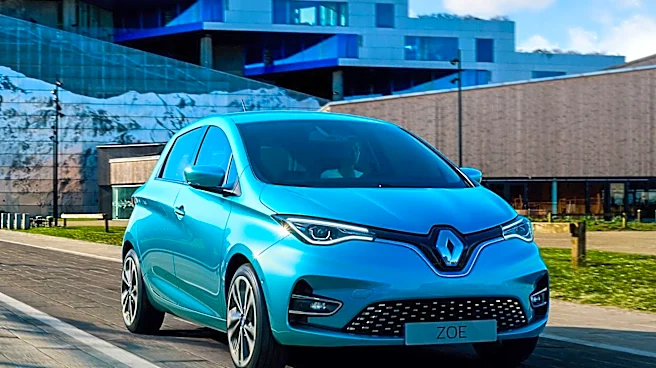
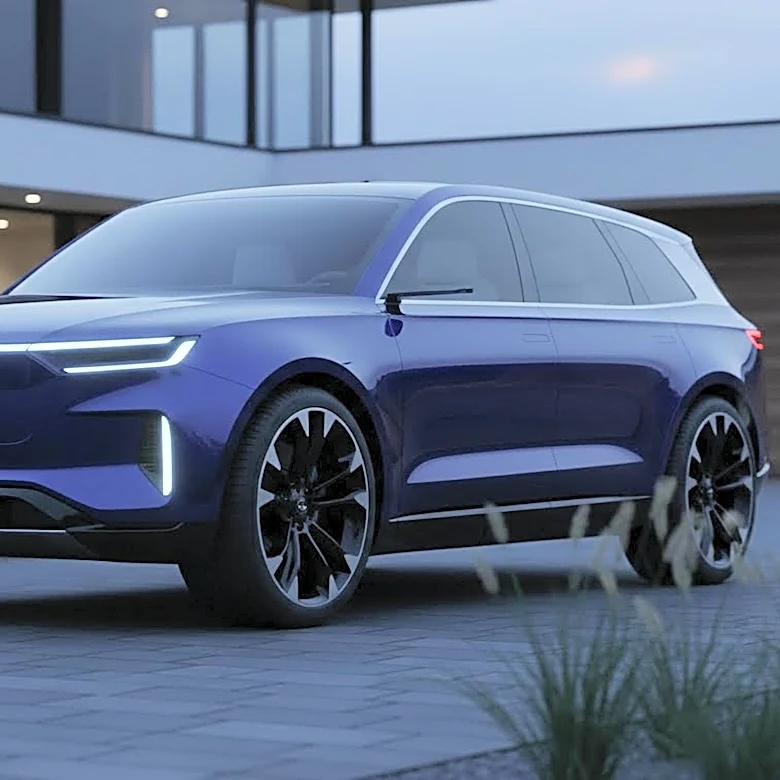
Renault, a prominent European automaker, is undergoing a significant transformation as it shifts towards electric and software-defined vehicles. This transition is part of Renault's strategy to align with stricter emissions regulations and evolving technology
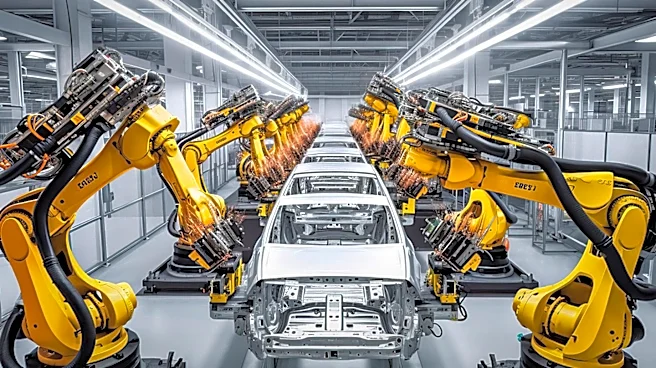
demands. The company is repositioning its portfolio and industrial footprint to adapt to these changes while maintaining its profitable combustion-engine business. Renault's stock performance is often seen as a reflection of investor sentiment towards European industrials and the broader automotive sector. The company is leveraging alliances and joint ventures to share technology and reduce costs, focusing on electrification and digital services. Renault's efforts include expanding its range of battery-electric and hybrid models in Europe, where regulatory pressure on CO2 emissions is high.
Why It's Important?
Renault's strategic shift towards electrification and partnerships is crucial in maintaining its competitive edge in the global automotive market. As the industry moves towards electric vehicles, Renault's ability to adapt and innovate will determine its long-term success. The company's focus on operational efficiency and margin potential is vital for sustaining profitability amidst economic cycles. Renault's approach to capital allocation, balancing investment in new technologies with shareholder returns, is a key factor for investors. The company's progress in managing leverage and maintaining liquidity is essential for navigating industry challenges. Renault's emphasis on digitalization and software-defined vehicles opens new revenue streams, potentially enhancing its market position.
What's Next?
Renault's future steps involve continuing its focus on electrification and digitalization to meet regulatory and consumer demands. The company will likely expand its electric vehicle lineup and enhance its software capabilities to offer more connected and autonomous driving features. Renault's alliances and joint ventures will play a critical role in accessing new technologies and markets. The company's ability to maintain operational efficiency and manage capital allocation will be crucial in achieving sustainable growth. As Renault navigates these transitions, its performance will be closely monitored by investors and industry stakeholders.
Beyond the Headlines
Renault's transformation highlights broader industry trends towards sustainability and digitalization. The company's focus on electrification aligns with global efforts to reduce carbon emissions and promote cleaner transportation. Renault's emphasis on software-defined vehicles reflects the growing importance of digital services in the automotive sector. The company's strategic alliances and partnerships underscore the need for collaboration in addressing technological and regulatory challenges. Renault's approach to balancing traditional combustion-engine business with new electric models illustrates the complexities of transitioning to a sustainable future.