




What's Happening?
The PJM Board of Managers has authorized significant changes in the scope and cost of several baseline projects within its Regional Transmission Expansion Plan (RTEP). These adjustments aim to ensure a more efficient, economical, and reliable power supply
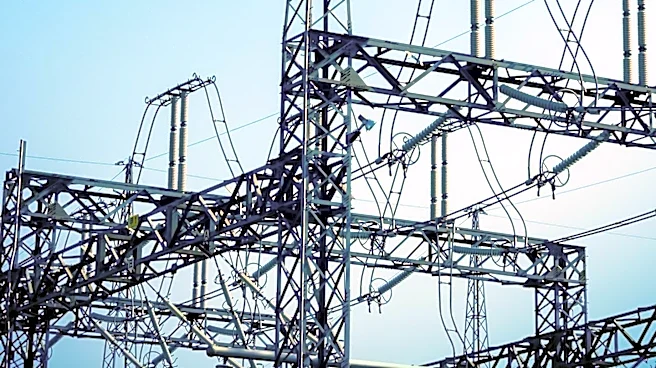
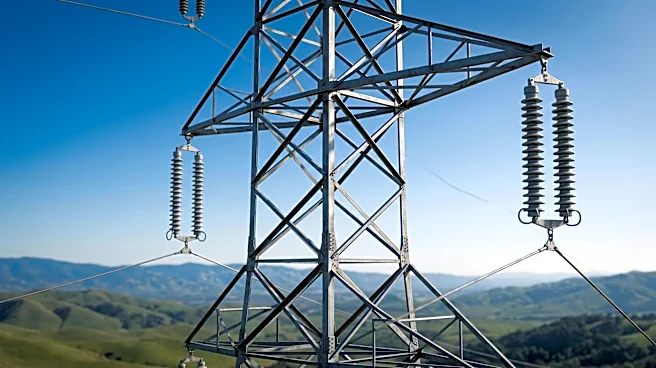
for the 67 million people served across 13 states and the District of Columbia. The most substantial modifications involve projects assigned to Valley Link VA Inc., a consortium comprising Transource, Dominion Energy, and FirstEnergy, as part of the 2024 Window 1. Additionally, other transmission projects awarded to Exelon and its subsidiaries across three competitive windows have also seen revisions. The Valley Link projects, which include two major 765 kV transmission lines and associated substations, are designed to create a new extra-high-voltage backbone to manage projected load growth and shifting power flow patterns. The total cost estimate for these projects has increased from approximately $3.0 billion (2024 dollars) to $5.1 billion (2026 dollars), with in-service dates shifting from June 2029 to between January 2030 and May 2031. The cost escalations are primarily attributed to rising construction labor, outside services, right-of-way and land costs, and material and equipment expenses. Revised in-service dates reflect more detailed routing analysis and expanded stakeholder and regulatory engagement.
Why It's Important?
These approved changes are crucial for maintaining grid reliability and addressing the evolving energy demands across a significant portion of the U.S. The substantial increase in project costs and extended timelines highlight broader challenges within the national infrastructure sector, including intense competition for skilled construction resources, escalating land acquisition costs, and rising material expenses. For consumers, these cost increases could eventually translate into higher electricity rates, although the immediate impact is not detailed. For energy companies like FirstEnergy, Dominion Energy, Transource, and Exelon, these adjustments mean managing larger budgets and longer project durations, potentially affecting their financial planning and operational strategies. The necessity of these upgrades, particularly those related to the retirement of generating units like Brandon Shores and Wagner, underscores the critical need for proactive infrastructure development to prevent reliability risks and avoid costly Reliability Must-Run arrangements. The PJM Board's decision reflects a commitment to long-term grid stability, even in the face of significant financial and logistical hurdles.
What's Next?
PJM staff recommended proceeding with these projects due to the effectiveness of the proposed solutions, the urgent nature of the grid's needs, and industry-wide cost pressures that would affect any alternative solutions. Further delays are expected to only prolong regulatory processes, increase costs, and postpone the implementation of critically needed transmission infrastructure. The PJM Board's approval means these projects will move forward with their revised scopes, costs, and timelines. Stakeholders, including the Transmission Expansion Advisory Committee (TEAC), will continue to monitor the progress and cost scrutinization of these developments. The focus will now shift to the execution phase, where the consortiums and companies involved will need to navigate the increased costs and extended schedules to deliver the necessary transmission upgrades. The industry will likely observe how these cost drivers continue to impact future infrastructure projects and whether similar escalations become a recurring trend in large-scale energy developments.
Beyond the Headlines
The significant cost increases and timeline extensions for these transmission projects reveal deeper systemic issues within the U.S. infrastructure development landscape. The competitive environment for skilled labor, driven by extensive national infrastructure investments, suggests a potential bottleneck in human resources that could impact future projects across various sectors. The unprecedented rise in right-of-way and land costs points to growing challenges in acquiring necessary land for large-scale developments, potentially leading to increased legal and community engagement complexities. These factors could influence future energy policy decisions, potentially encouraging more localized energy generation or innovative transmission solutions that require less land. The situation also highlights the ongoing tension between the need for robust, reliable energy infrastructure and the economic realities of construction and development in a dynamic market. This could prompt a re-evaluation of how such projects are planned, funded, and executed to mitigate future cost overruns and delays.