






What's Happening?
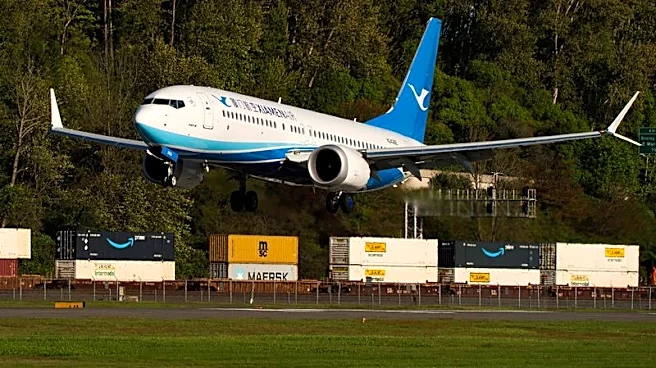
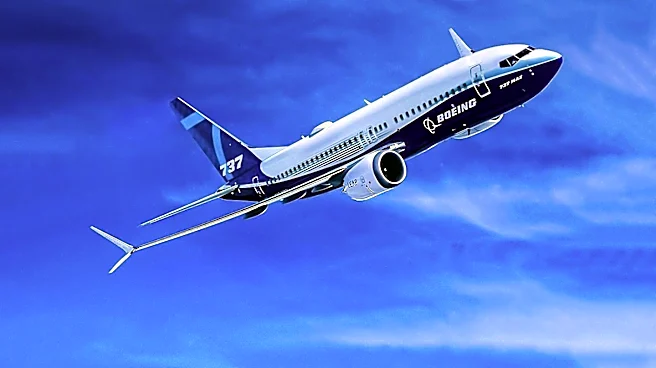
Boeing has identified a previously undisclosed software glitch in its 737 MAX aircraft that could lead to the failure of an automated navigation feature during specific landing scenarios. This issue, stemming from a cockpit software update, can occur
if flight crews alter their planned flight path after a missed approach. In such cases, pilots may lose access to automated flight guidance, potentially requiring them to fly manually at low altitudes, even in challenging conditions. Boeing informed all 737 operators about this software issue last month, emphasizing existing pilot procedures for safely handling such situations. The company's engineers are currently developing a software update to permanently resolve the problem. The Federal Aviation Administration (FAA) is aware of the potential issue and is working closely with Boeing and airlines, stating it will convene a Corrective Action Review Board and take immediate action if a safety concern is identified. Southwest Airlines and United Airlines have reportedly requested that new 737 MAX aircraft not be delivered with the affected software, opting for an earlier version instead.
Why It's Important?
This newly identified software glitch is significant as it adds another layer of scrutiny to Boeing's 737 MAX fleet, which has been under intense regulatory and safety review following two fatal crashes in 2018 and 2019, and a mid-air cabin panel blowout in January 2024. While Boeing states it does not consider the glitch a safety risk and pilots are trained for manual landings, the potential for automated navigation failure during a critical phase of flight raises concerns about pilot workload and overall flight safety, especially if combined with adverse weather or other challenging conditions. The reluctance of major U.S. carriers like Southwest and United to accept new aircraft with the affected software indicates a cautious approach within the airline industry, potentially impacting Boeing's delivery schedules and reputation. This situation could further erode public confidence in the 737 MAX, a crucial aircraft for many airlines, and may lead to additional regulatory oversight and demands for more rigorous software testing and certification processes.
What's Next?
Boeing engineers are actively working on a software update to permanently address the identified glitch. The Federal Aviation Administration (FAA) will convene a Corrective Action Review Board to assess the issue and determine if it poses a safety concern, promising immediate action if necessary. Airlines, including Southwest and United, are engaging with Boeing regarding the delivery of new 737 MAX aircraft, with some requesting earlier software versions. Boeing is also working with airlines to formalize procedures that would allow pilots to reactivate automated vertical navigation if the situation arises. The number of aircraft currently operating with the flawed software is not immediately clear, as airlines are not required to notify Boeing of software upgrades. The FAA's investigation and subsequent decisions will be critical in determining the timeline for a permanent fix and any potential operational impacts on the 2,422 MAX 8 and MAX 9 jets currently flying worldwide.
Beyond the Headlines
The recurring issues with the 737 MAX, including this new software glitch, highlight deeper systemic challenges within Boeing's engineering and quality control processes. This incident, while distinct from the MCAS failures of previous crashes, contributes to a narrative of persistent software-related vulnerabilities in a highly complex aircraft system. The emphasis on existing pilot procedures for manual handling, while standard, underscores the increasing reliance on automation in modern aviation and the critical need for robust fail-safes and intuitive interfaces when automation fails. The ongoing scrutiny from regulators and the cautious stance of major airlines reflect a broader shift towards demanding higher standards of transparency and accountability from aircraft manufacturers. This situation could influence future aircraft design and certification processes, potentially leading to more stringent software validation requirements and a re-evaluation of the balance between automation and pilot intervention in critical flight phases.