







What's Happening?
Alexander Wang, an American fashion designer, established his namesake brand in 2005. The brand, based in New York City, initially focused on unisex knitwear before expanding its offerings to include womenswear, menswear, handbags, footwear, and various
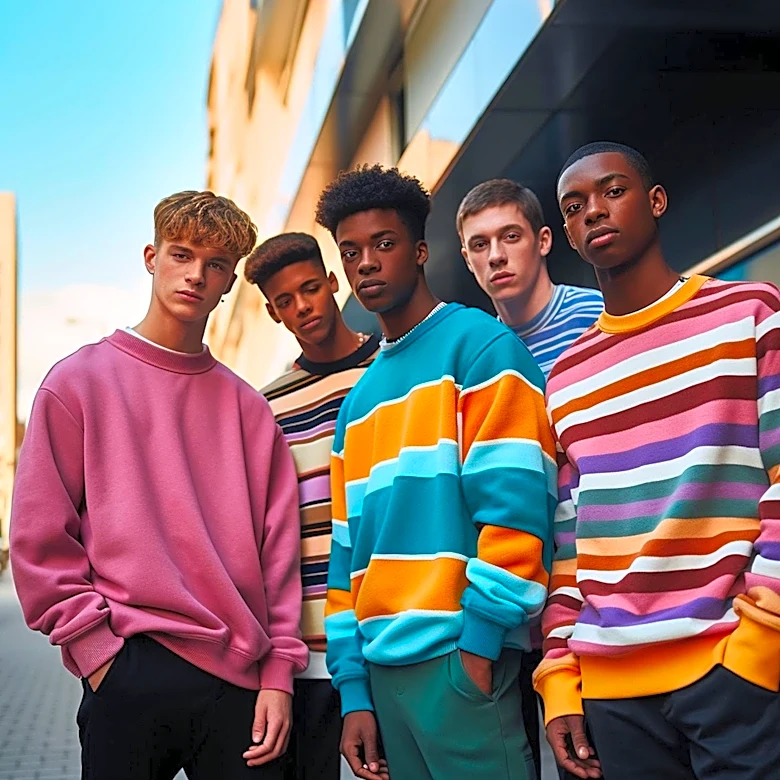
accessories. Alexander Wang's design philosophy blends contemporary luxury with streetwear influences, characterized by relaxed silhouettes, urban styling, and structured fashion elements. The brand's collections feature ready-to-wear apparel, and it has gained recognition for its distinctive approach to fashion. Alexander Wang himself was born and raised in San Francisco, California, and later moved to New York to study at Parsons School of Design, where the brand's identity was forged within the city's fashion industry. While rooted in American origins, the brand maintains an international business presence, reflecting a fusion of American street style, luxury fashion, and the designer's Chinese American heritage.
Why It's Important?
The establishment and growth of the Alexander Wang brand highlight the dynamic nature of the U.S. fashion industry and its global influence. As an American brand with international reach, it contributes to the U.S. economy through design, manufacturing, and retail, creating jobs and fostering innovation within the fashion sector. The brand's success in blending streetwear with luxury fashion has also influenced broader fashion trends, demonstrating how American designers can shape global aesthetics. Its collaborations, such as with H&M and Adidas, showcase strategic partnerships that expand market reach and introduce high fashion to a wider consumer base, impacting retail strategies and consumer spending patterns. The brand's evolution from a niche knitwear collection to a comprehensive luxury label underscores the entrepreneurial spirit prevalent in the U.S. fashion landscape, offering a model for emerging designers and businesses aiming for international recognition.
What's Next?
The Alexander Wang brand is expected to continue its trajectory of evolving its collections and potentially exploring new collaborations. With a history of expanding product categories and engaging in partnerships, future developments could include further diversification into lifestyle products or new ventures in different fashion segments. The brand's ongoing commitment to blending contemporary luxury with streetwear influences suggests it will remain a relevant player in shaping fashion trends. Given its international presence, Alexander Wang may also focus on expanding its global footprint, potentially opening new flagship stores or increasing its online retail presence in key markets. The brand's ability to adapt to changing consumer preferences and market demands will be crucial for its sustained growth and influence in the competitive fashion industry.
Beyond the Headlines
Beyond its commercial success, the Alexander Wang brand represents a significant cultural intersection, blending American urban style with global luxury. The designer's Chinese American background adds a layer of cultural richness to the brand's identity, contributing to a more diverse and inclusive representation within the high fashion world. The brand's emphasis on combining everyday clothing with distinctive details challenges traditional notions of luxury, making high fashion more accessible and relatable to a broader audience. This approach reflects a larger societal shift towards comfort and practicality in fashion, without sacrificing style or quality. Furthermore, the brand's journey from a small knitwear collection to an international label illustrates the power of creative vision and strategic business development in establishing a lasting legacy in the highly competitive fashion industry, influencing not only what people wear but also how they perceive luxury and style.