








What's Happening?
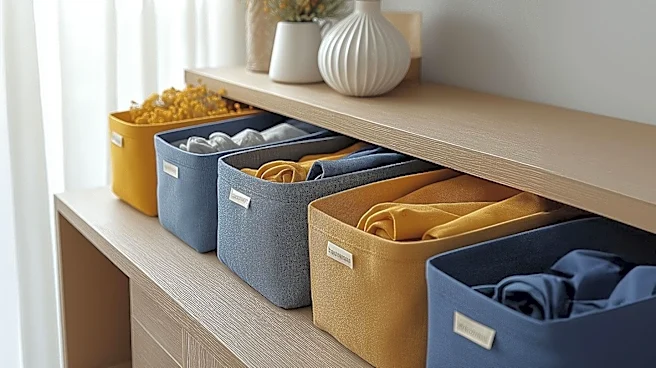
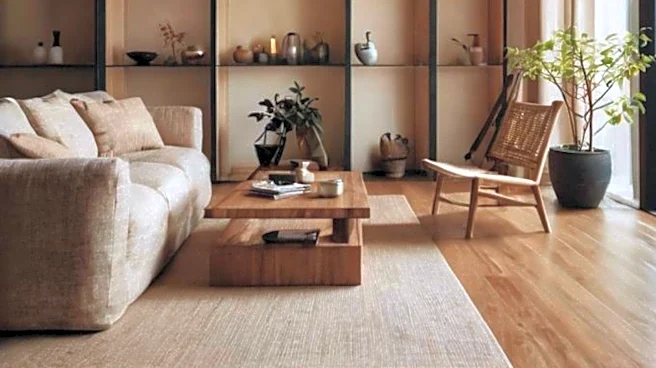
The minimalist living trend is gaining traction, focusing on intentional living rather than strict adherence to sparse aesthetics or arbitrary item counts. This approach encourages individuals to define what 'enough' means for their own households, considering
personal needs, family size, work, health, culture, and hobbies. The core idea is to decide what genuinely serves a person or household, rather than pursuing emptiness for its own sake. Benefits of this intentional simplification include reduced effort in cleaning, fewer visual distractions, and more deliberate spending habits. It challenges the notion that acquiring more possessions automatically improves daily life, instead promoting a focus on items that support daily routines, provide enjoyment, or help care for others.
Why It's Important?
This shift in the minimalist trend is important because it moves away from a rigid, one-size-fits-all approach, making the concept more accessible and sustainable for a wider range of U.S. households. By emphasizing personal relevance over universal standards, it allows individuals to integrate minimalist principles in a way that genuinely enhances their lives without sacrificing comfort, cultural connection, or practical support. This personalized approach can lead to improved financial control through more conscious consumption, reduced stress from clutter, and increased mental clarity. For industries, this trend could influence consumer behavior, potentially shifting demand towards durable, multi-functional, and ethically produced goods, and away from impulse purchases and excessive accumulation.
What's Next?
The future of the minimalist trend in the U.S. is likely to see continued evolution towards personalized and practical applications. Consumers will increasingly seek guidance on how to apply minimalist principles to their unique circumstances, rather than following prescriptive rules. This could lead to a rise in services and products that help individuals identify and organize essential items, rather than simply discarding possessions. Educational content focusing on intentional consumption, sustainable living, and decluttering strategies tailored to diverse lifestyles is also expected to grow. Businesses that adapt by offering high-quality, versatile, and long-lasting products, or by promoting mindful consumption, may find greater resonance with this evolving consumer mindset.
Beyond the Headlines
The deeper implications of this evolving minimalist trend extend to societal values and psychological well-being. By encouraging individuals to question what truly serves them, it challenges the pervasive consumerist culture that often equates happiness with material acquisition. This can foster a greater appreciation for experiences, relationships, and personal growth over material possessions. Ethically, it promotes sustainability by reducing waste and encouraging more thoughtful production and consumption. Culturally, it allows for a more inclusive understanding of 'simplicity,' recognizing that what is meaningful and necessary varies greatly across different backgrounds and life stages, thereby moving beyond a narrow, often privileged, aesthetic definition of minimalism.