




What's Happening?
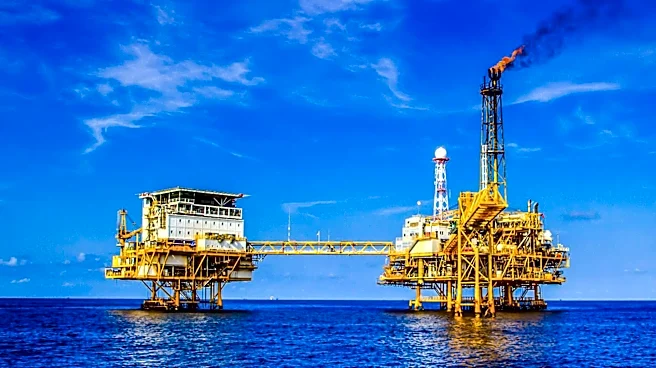
The Trump administration has finalized a $480 million federal loan to Arena Energy, a privately held company, to expand oil and natural gas production in the Gulf of Mexico. This marks the Department of Energy's first completed loan specifically aimed
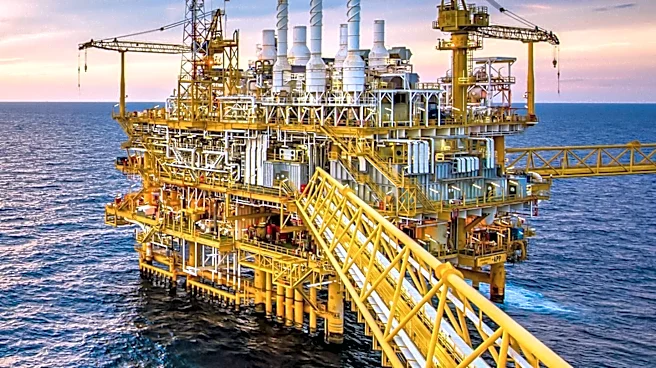
at supporting domestic oil and gas production. The financing, announced on November 10, will fund Project Elkhorn, an offshore infrastructure redevelopment initiative. This project involves 22 platforms located in the Southern Eugene Island area off the coast of Louisiana. The scope of Project Elkhorn includes refurbishing existing production facilities, reactivating idled platforms, increasing water-handling capacity, and constructing additional natural gas pipeline connections. The Department of Energy anticipates that these improvements will lead to a peak production increase of up to 38,600 barrels of oil and 77 million cubic feet of natural gas per day. Arena Energy estimates that the project could recover approximately 125 million additional barrels of oil and 250 billion cubic feet of natural gas over its operational lifespan, potentially generating around $1.6 billion in additional federal royalty payments.
Why It's Important?
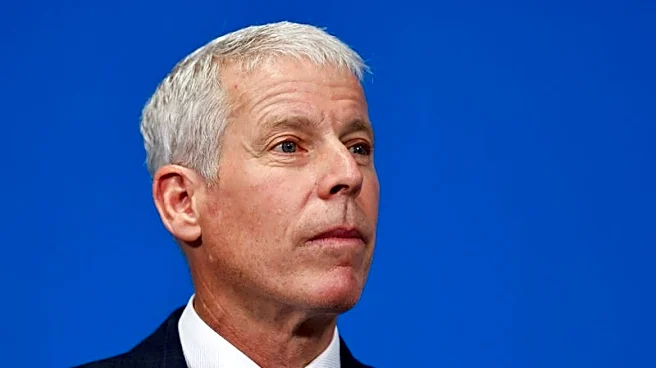
This federal loan to Arena Energy represents a significant shift in the U.S. government's approach to financing energy infrastructure, extending direct lending support to conventional oil and gas operations. Historically, federal lending programs have often focused on emerging energy technologies. Energy Secretary Chris Wright stated that the project will boost domestic production and enhance U.S. energy security. For institutional investors, this financing highlights a potentially crucial new source of capital for offshore operators, particularly those looking to extend the productive life of established assets. Redeveloping existing platforms can leverage installed infrastructure, though it also entails substantial maintenance, environmental compliance, and eventual decommissioning costs. The project's anticipated peak oil production, while representing a small fraction (0.3%) of current U.S. crude output, signals the administration's willingness to use federal financing to support traditional energy production, which could influence financing conditions for projects facing limited access to traditional capital markets.
What's Next?
Investors will closely monitor whether similar federal support becomes available for other projects across the oil and gas industry. Key areas of observation will include how federal credit exposure is managed and whether the infrastructure redevelopment efforts yield competitive returns under fluctuating oil and natural gas market conditions. The success of Project Elkhorn could set a precedent for future federal involvement in conventional energy financing. Arena Energy plans to execute the project with its affiliated companies, White Fleet Drilling and Rosefield Pipeline. The project is also expected to create approximately 2,800 jobs, including 2,400 construction positions and 400 operational roles. The long-term impact on U.S. energy policy and the broader energy market will depend on the project's performance and the administration's continued commitment to this financing approach.
Beyond the Headlines
The federal loan to Arena Energy raises broader questions about the role of government in supporting traditional fossil fuel industries amidst growing calls for clean energy transition. While the administration emphasizes energy security and domestic production, environmental groups and climate advocates often argue against public subsidies for fossil fuels, citing environmental concerns and the risk of creating 'stranded assets' in a decarbonizing economy. This move could also spark debate about the balance between supporting established industries and investing in renewable energy sources. The project's focus on redeveloping existing infrastructure rather than new offshore developments might be seen as a more sustainable approach within the conventional energy sector, but it still contributes to fossil fuel extraction. The long-term implications could include increased scrutiny of federal lending practices and a re-evaluation of energy investment priorities.