



What's Happening?
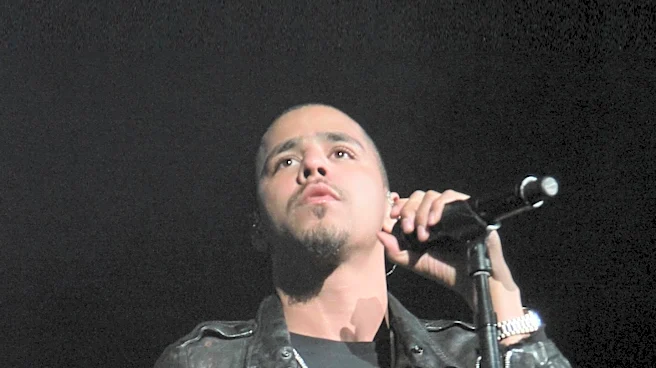
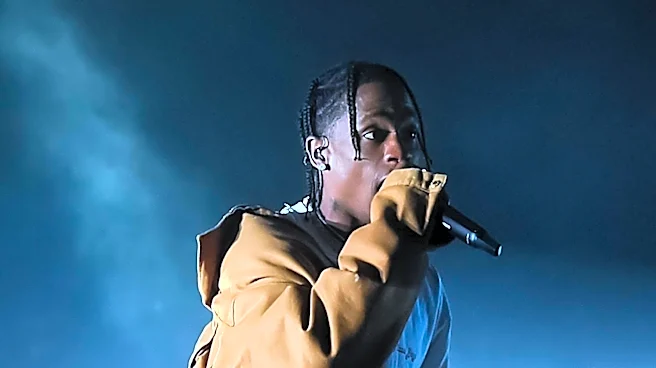
J. Cole has reportedly opted not to submit his highly anticipated album, 'The Fall-Off,' for consideration in the 2027 Grammy Awards. This decision comes as first-round voting for the awards commences. The news, initially circulated by Grammy-focused
accounts like The Grammy Guru and NFR Podcast and subsequently picked up by According2HipHop, indicates that no eligible music from J. Cole for 2026, including 'The Fall-Off,' was entered into the Grammy race. Neither J. Cole nor his team has publicly commented on the reason behind this move, leaving it unclear whether it's a deliberate boycott or a procedural matter. The Recording Academy mandates formal entry of eligible recordings during its Online Entry Process for them to appear on a voting ballot, and submissions for the 2027 ceremony closed on August 21. 'The Fall-Off,' released in February and presented by Cole as potentially his last album, debuted at No. 1 on the Billboard 200, following years of anticipation since 2018.
Why It's Important?
J. Cole's reported decision to not submit 'The Fall-Off' for Grammy consideration is significant within the music industry, particularly for the hip-hop genre and the Recording Academy. This move could be interpreted as a statement against the Grammy institution, which Cole has previously criticized in his music, notably on 2024's '7 Minute Drill' where he stated, 'F*** the Grammys.' Despite his past criticisms, Cole has a history of Grammy participation, including winning Best Rap Song in 2020 for his feature on 21 Savage’s 'A Lot' and Best Melodic Rap Performance with Lil Durk for 'All My Life.' His album 'The Off-Season' received multiple nominations in 2022, and 'Might Delete Later' was nominated for Best Rap Album at the 2025 ceremony. The absence of a commercially successful and critically anticipated album like 'The Fall-Off' from the Grammy race could spark further debate about the relevance and fairness of music awards, potentially influencing other artists' decisions regarding submissions.
What's Next?
The immediate next step will likely involve monitoring for any official statement from J. Cole or his representatives regarding the reported non-submission of 'The Fall-Off' for the Grammys. Without a formal entry, the album will not be eligible for nominations when they are announced in November. This situation could lead to increased discussion among music industry professionals, artists, and fans about the criteria for Grammy eligibility and the perceived value of such awards. It may also prompt the Recording Academy to address the implications of high-profile artists choosing to opt out of the submission process. The long-term impact could be a re-evaluation of how artists engage with award ceremonies and how these ceremonies adapt to maintain their prestige and relevance in a rapidly evolving music landscape.
Beyond the Headlines
This development extends beyond a simple award submission, touching upon the evolving relationship between artists and established institutions like the Grammys. J. Cole's reported decision, whether a deliberate boycott or a procedural oversight, highlights a growing sentiment among some artists who question the authenticity and impact of traditional music awards. It could symbolize a shift where artists prioritize direct connection with their audience and artistic integrity over industry accolades. This trend might encourage a broader conversation about alternative recognition platforms or a redefinition of success within the music industry. The ethical dimension involves the artist's right to choose how their work is recognized versus the institution's role in celebrating musical achievements. Culturally, it reflects a potential disillusionment with mainstream validation, suggesting a move towards more independent and artist-driven narratives.