





What's Happening?
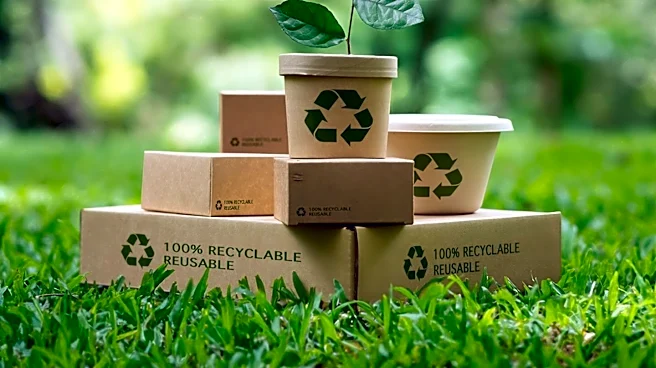
Refillable and reusable packaging is transitioning from niche sustainability initiatives to a strategic priority for brands, retailers, and packaging producers. This shift is driven by regulatory developments and the emergence of shared infrastructure,
which are encouraging businesses to move beyond lightweighting and recyclability. The market is evolving from isolated trials to shared, scalable systems, with France leading the way in investment towards reuse infrastructure. Reusable packaging models, such as refill dispensers and deposit-return systems, are being explored across various categories, including home care and cosmetics. However, businesses must conduct robust life cycle assessments to ensure that reusable packaging delivers genuine environmental benefits.
Why It's Important?
The growing emphasis on refillable packaging reflects a broader trend towards reducing packaging waste and carbon impact. As regulatory frameworks like Extended Producer Responsibility (EPR) and the EU Packaging and Packaging Waste Regulation (PPWR) gain traction, businesses are under increasing pressure to adopt sustainable practices. Refillable packaging offers a promising solution, but its success depends on factors such as consumer convenience, return rates, and infrastructure efficiency. Brands that successfully implement refillable systems can enhance their sustainability credentials and appeal to eco-conscious consumers. However, they must carefully assess the environmental payback to ensure that reusable packaging delivers the intended benefits.
What's Next?
As the market for refillable packaging continues to grow, businesses will need to focus on developing efficient collection, washing, sorting, and redistribution systems. Collaboration between brands and investment in shared infrastructure will be crucial in scaling reusable packaging solutions. Companies may also explore new reuse models and technologies to enhance consumer experience and convenience. As regulation accelerates and industry collaboration increases, businesses that engage early in the development of reuse systems can influence their evolution and gain a competitive advantage. The success of these initiatives could set a precedent for other markets, encouraging the wider adoption of refillable packaging solutions.