



What's Happening?
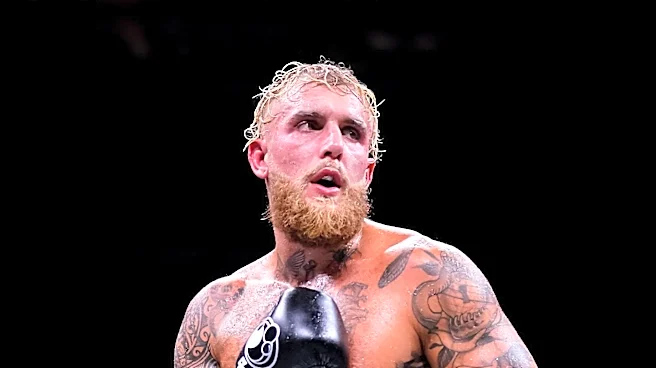
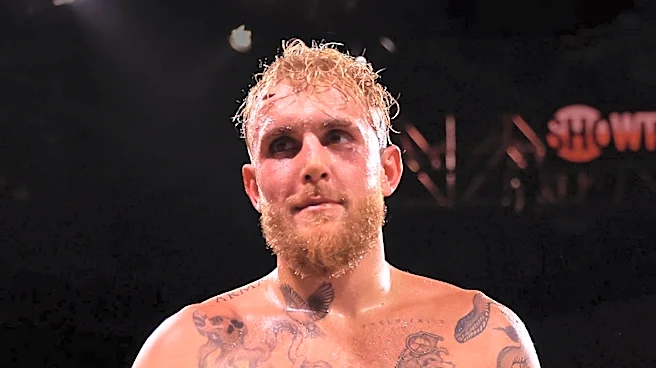
American influencer-turned-boxer Jake Paul is set to make his return to the boxing ring on Christmas Eve in Dubai, as confirmed by Most Valuable Promotions (MVP). This will be Paul's first fight since suffering a double jaw fracture in his December 2025
bout against Anthony Joshua in Miami, where he was stopped in the sixth round. The injury required surgery and the implantation of titanium plates, leading to speculation about the future of his boxing career. Despite the severe setback, the 29-year-old Paul has expressed determination to continue his journey in the sport, stating on social media that his confidence remains unshaken. The upcoming event in the United Arab Emirates marks his debut in the region. While the date and location are confirmed, Paul's opponent for the December 24 fight has not yet been announced. Several names, including former UFC fighter Darren Till, Chris Eubank Jr, Edgar Berlanga, and KSI, are reportedly being considered. Additionally, the broadcasting arrangements for the event are still unconfirmed, with reports suggesting DAZN pay-per-view as a likely platform, rather than Netflix, which streamed his previous fights against Mike Tyson and Joshua.
Why It's Important?
Jake Paul's return to boxing is significant for several reasons, primarily due to his considerable influence in the crossover boxing scene. His previous fights, particularly those streamed on Netflix, garnered massive viewership, demonstrating his ability to attract a broad audience beyond traditional boxing fans. A successful comeback could re-energize the influencer boxing market and further solidify his position as a major draw. The uncertainty surrounding his opponent adds an element of intrigue, as the choice will indicate Paul's strategic direction—whether he aims for another high-profile celebrity matchup or seeks to prove his legitimacy against a more seasoned boxer. The potential shift in broadcasting from Netflix to DAZN pay-per-view could impact accessibility and viewership numbers, potentially limiting his audience compared to Netflix's vast subscriber base. This move could also signal a strategic pivot in how his fights are monetized and distributed, affecting both his personal brand and the broader boxing pay-per-view landscape. His continued presence in the sport also keeps the conversation alive about the evolving nature of professional boxing and the role of celebrity athletes.
What's Next?
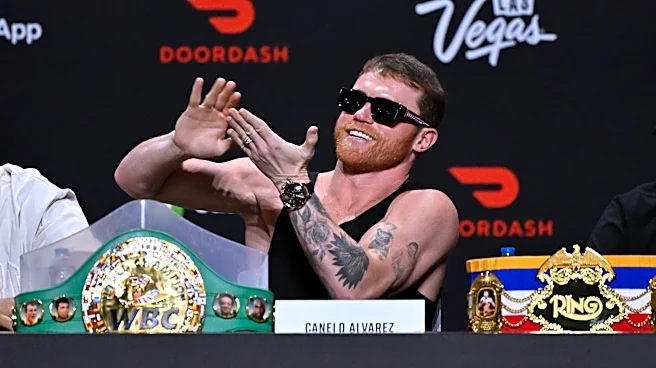
The immediate next steps involve the official announcement of Jake Paul's opponent for the December 24 fight in Dubai, which will be a critical factor in shaping public interest and the narrative around his comeback. Potential opponents range from other influencers like KSI to professional boxers such as Darren Till or Chris Eubank Jr, each bringing different levels of competitive challenge and commercial appeal. Following the opponent announcement, details regarding the event's broadcasting platform are expected to be finalized. A move to DAZN pay-per-view would require a different marketing strategy compared to Netflix's subscription model, potentially influencing the fight's reach and revenue. Beyond this immediate fight, Paul's performance will be closely watched to assess his recovery from the jaw injury and his continued development as a boxer. A strong showing could lead to more high-profile matchups, potentially against names like Canelo Alvarez or Francis Ngannou, which he has previously expressed interest in. Conversely, another significant defeat could raise further questions about his long-term viability in professional boxing.
Beyond the Headlines
Jake Paul's continued presence in boxing, especially after a severe injury, highlights the evolving landscape of combat sports where celebrity status can significantly drive viewership and revenue. His journey challenges traditional boxing paradigms, bringing in new audiences and revenue streams that established fighters often struggle to tap into. The shift in broadcasting platforms, if confirmed, from a global streaming giant like Netflix to a more traditional pay-per-view model like DAZN, could indicate a strategic recalibration in how crossover boxing events are distributed and monetized. This could have broader implications for the industry, influencing how other celebrity athletes approach their ventures into professional sports. Furthermore, Paul's resilience in returning after a double jaw fracture underscores the physical and mental demands of professional boxing, regardless of one's background. His career also sparks ongoing debates about the legitimacy of influencer boxing versus traditional boxing, and how these two worlds can coexist or compete within the broader sports entertainment industry. The long-term impact of such crossover events on boxing's integrity and fan base remains a subject of continuous discussion.