







What's Happening?
Fox Sports has publicly denied any frustration with ESPN regarding its coverage of the 2026 FIFA World Cup. This denial follows a report by Front Office Sports suggesting that Fox executives were displeased with ESPN's limited coverage of the tournament,
particularly concerning the U.S. Men's National Team (USMNT). The report claimed that Fox executives were unhappy with ESPN's minimal attention to the World Cup, despite FIFA's strict regulations on the use of match highlights by non-rights holders. These regulations limit non-rights holders to two minutes of total match highlights per show, with a maximum of 90 seconds from any single match, and only after the rights-holding broadcaster has completed its coverage for the day. Fox, which holds the rights to broadcast the World Cup, often extends its coverage late into the night, potentially affecting ESPN's ability to air highlights. Despite the report, Fox has stated that it is focused on its own coverage and finds the suggestion that ESPN would neglect the World Cup coverage to be insulting.
Why It's Important?
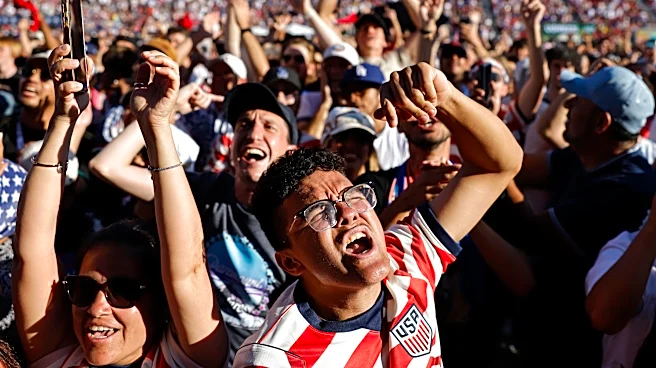
The dispute highlights the competitive nature of sports broadcasting, especially during major events like the World Cup. For Fox, which has invested heavily in securing the rights to broadcast the World Cup, maintaining high viewership and comprehensive coverage is crucial. The network has reported strong viewership numbers, including over 18 million viewers for the USMNT's opening match. Any perceived lack of coverage by other networks could impact the overall visibility and discussion of the tournament in the U.S. market. For ESPN, the situation underscores the challenges faced by non-rights holders in covering major sporting events under restrictive highlight usage rules. The incident also reflects broader industry dynamics where networks vie for audience attention and market share, often leading to public disputes over coverage decisions.
What's Next?
As the World Cup progresses, both Fox and ESPN will likely continue to focus on maximizing their respective coverage strategies. Fox will aim to maintain its strong viewership numbers and capitalize on its exclusive rights to the tournament. ESPN, on the other hand, will need to navigate the limitations imposed by FIFA's regulations while still providing engaging content to its audience. The situation may prompt further discussions within the industry about the balance between rights holders and non-rights holders in sports broadcasting, potentially influencing future negotiations and agreements.