



What's Happening?
Homeowners are being advised on effective strategies to transform deep cabinets from potentially impractical spaces into highly functional storage areas. The core development involves a shift from viewing deep cabinets as difficult-to-reach voids to optimized
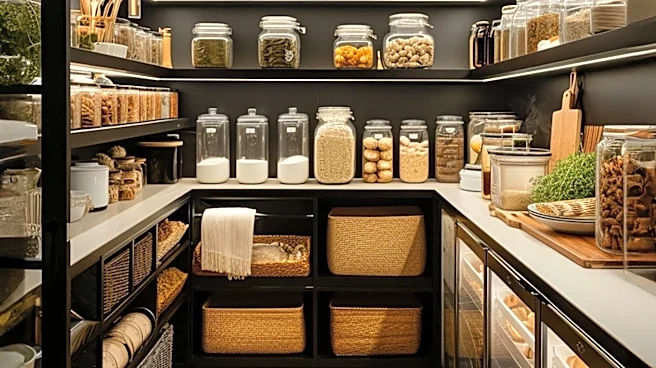
storage solutions through careful planning and the use of specific organizational tools. Key recommendations include first assessing what items will be stored in each cabinet to determine the most suitable organizational approach. This initial planning prevents the acquisition of ill-fitting or unnecessary storage solutions. Once a plan is established, various tools such as Lazy Susans, stair-style shelves, slide-out drawers, and vertical dividers are suggested to enhance accessibility and efficiency. The advice also emphasizes decluttering by removing unused or unnecessary items to free up valuable space, and prioritizing frequently used items by placing them at the front of the cabinets. For items stored at the back, creating a list and taping it to the inside of the cabinet door can serve as a helpful reminder.
Why It's Important?
The efficient organization of deep cabinets holds significant importance for U.S. homeowners, impacting daily living, home value, and consumer spending habits. By optimizing these often-underutilized spaces, households can improve functionality and reduce frustration associated with disorganization. This focus on practical home improvement can lead to increased satisfaction with living spaces, potentially reducing the perceived need for larger homes or extensive renovations. Economically, the market for home organization products, including custom cabinetry solutions, slide-out drawers, and various dividers, stands to benefit from this emphasis on efficient storage. Consumers are encouraged to invest in tailored solutions, which can range from affordable off-the-shelf items to more significant custom installations, thereby stimulating demand in the home goods and renovation sectors. Furthermore, a well-organized home can contribute to its overall appeal and market value, offering a tangible return on investment for homeowners.
What's Next?
As awareness of effective deep cabinet organization grows, consumers are likely to see an increased availability and variety of specialized storage solutions in retail markets. Manufacturers and retailers in the home goods sector are expected to innovate and expand their product lines to meet the demand for items like multi-tier Lazy Susans, adjustable stair shelves, and custom-fit slide-out systems. Homeowners will continue to explore both DIY solutions, such as repurposing existing items or using tension rods as dividers, and professional services for custom cabinetry. The trend towards maximizing existing space rather than expanding living areas is anticipated to continue, driven by factors such as housing costs and a desire for more efficient living. Educational content, such as online guides and workshops on home organization, will also likely proliferate, empowering more individuals to tackle their storage challenges effectively.
Beyond the Headlines
Beyond the immediate benefits of a tidy home, the emphasis on deep cabinet organization reflects broader cultural shifts towards minimalism, sustainability, and mindful consumption in the U.S. By encouraging homeowners to declutter and make the most of their existing storage, these strategies align with principles of reducing waste and consuming more thoughtfully. The act of organizing can also have psychological benefits, contributing to a sense of control and reducing stress in daily life. Ethically, the promotion of durable and multi-functional storage solutions can counter the 'throwaway' culture, encouraging investments in quality items that last. Furthermore, the rise of custom cabinetry solutions highlights a growing appreciation for craftsmanship and personalized home environments, moving beyond mass-produced, one-size-fits-all approaches. This trend underscores a desire for homes that are not only functional but also reflect individual needs and aesthetic preferences.