
What's Happening?
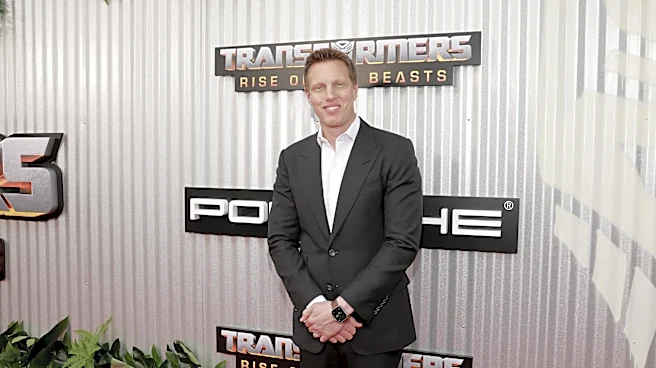
David Ellison, in his capacity as CEO of both Paramount and Warner Bros., has expressed a strong belief in the creative potential of artificial intelligence (AI) for the merged Hollywood empire. During
his first earnings call at the helm of both companies, Ellison positioned the combined entity as a tech-forward enterprise. He articulated a strategy that involves embracing AI's capabilities while simultaneously dismissing what he referred to as 'AI slop.' This approach suggests a nuanced view on the integration of AI into the creative and operational aspects of the film and television industry, aiming to leverage its benefits without compromising quality or artistic integrity. His comments highlight a significant shift in how traditional media conglomerates are viewing and planning to incorporate advanced technologies into their core business models.
Why It's Important?
Ellison's stance on AI is important because it signals a strategic direction for two major players in the U.S. entertainment industry. His endorsement of AI's creative potential could accelerate the adoption of AI technologies across Hollywood, influencing production processes, content creation, and distribution strategies. This could lead to increased efficiency, new forms of storytelling, and potentially lower production costs, which would benefit the studios. However, his caution against 'AI slop' also reflects an awareness of the challenges and potential pitfalls, such as maintaining quality and addressing concerns about job displacement or the authenticity of AI-generated content. The integration of AI could reshape the competitive landscape, potentially creating new opportunities for tech companies specializing in AI solutions for media, while also posing challenges for traditional creative roles within the industry.
What's Next?
The next steps will likely involve Paramount and Warner Bros. exploring and implementing AI technologies in various aspects of their operations. This could include AI-powered tools for script analysis, visual effects generation, content localization, and personalized marketing. Other major studios and entertainment companies will likely observe Ellison's strategy closely, potentially leading to a broader industry trend of AI adoption. There may also be ongoing discussions and negotiations with creative guilds and unions regarding the ethical use of AI and its impact on employment. The industry will be watching to see how Ellison's vision translates into tangible projects and how the 'AI slop' is effectively avoided, ensuring that technological advancement enhances rather than detracts from creative output.
Beyond the Headlines
Beyond the immediate business implications, Ellison's embrace of AI raises deeper questions about the future of creativity and human artistry in the entertainment sector. The distinction between leveraging AI as a tool to enhance human creativity versus allowing it to generate 'slop' highlights an ongoing debate about the role of technology in artistic endeavors. This development could lead to new legal and ethical frameworks concerning intellectual property rights for AI-generated content and the definition of authorship. Culturally, it might influence audience perceptions of authenticity and originality in media. The long-term shift could see a redefinition of creative roles, with artists and technicians collaborating more closely with AI systems, potentially leading to innovative forms of entertainment that are currently unimaginable.