







What's Happening?
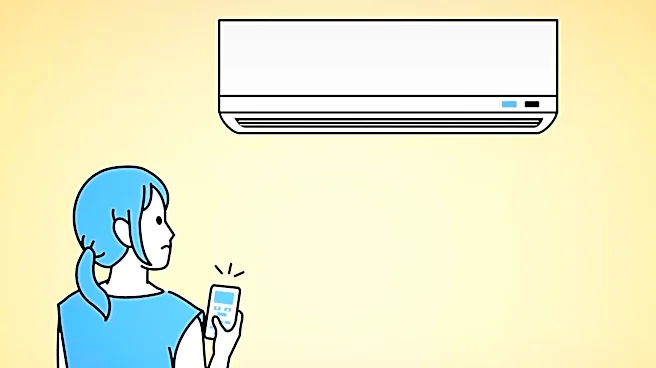
As temperatures rise, the debate over the most energy-efficient use of air conditioning intensifies. Experts suggest that adjusting the thermostat a few degrees higher when away from home can balance energy savings with comfort. This approach is generally
more efficient than turning the AC off completely, which can lead to mold issues in humid climates and increased wear on the system. The U.S. Department of Energy supports this strategy, noting potential savings of up to 10% annually on heating and cooling costs. The effectiveness of this method can vary based on climate, home insulation, and the type of AC unit used.
Why It's Important?
The guidance on air conditioning use is crucial as it addresses both environmental and economic concerns. With energy costs rising and climate change leading to more frequent heat waves, efficient AC use can significantly reduce household energy bills and carbon footprints. This advice is particularly relevant for homeowners in different climates, as it offers tailored strategies to maximize savings and minimize environmental impact. The potential for reduced energy consumption also aligns with broader efforts to combat climate change by lowering greenhouse gas emissions.
What's Next?
Homeowners may consider investing in smart thermostats, which can automate temperature adjustments based on occupancy, further enhancing energy efficiency. As technology advances, these devices could become more accessible and affordable, encouraging widespread adoption. Additionally, increased awareness and education on energy-saving practices could lead to more sustainable consumer behavior, potentially influencing policy and market trends in the energy sector.