





What's Happening?
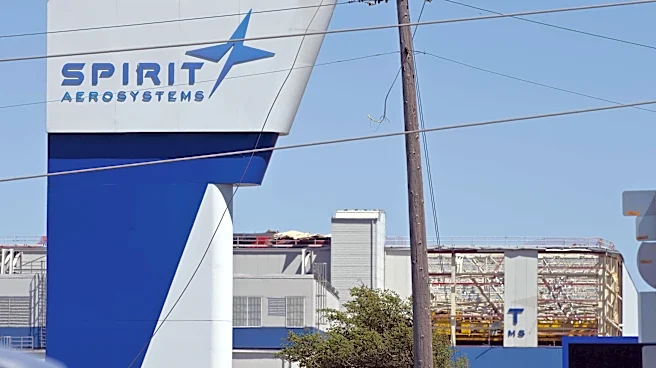
Spirit AeroSystems, Inc., a wholly owned subsidiary of The Boeing Company, is actively recruiting Entry-Level Structural Analysis Engineers for its commercial business units in Wichita, Kansas. These engineers will be responsible for performing structural
analysis of aircraft components and assemblies using established methods and tools. Their work will involve evaluating strength, stability, fatigue, and damage tolerance to ensure compliance with requirements. The role also includes assisting in developing analysis models, reports, and technical documentation, as well as collaborating with design, manufacturing, and and test teams to resolve structural issues. Candidates are expected to participate in technical and design reviews, providing analysis-based recommendations, and ensuring analyses align with customer requirements, regulatory standards, and certification guidelines. This is a union-represented position, and applicants are subject to drug testing.
Why It's Important?
This recruitment drive by Spirit AeroSystems is significant for the U.S. aerospace industry, particularly for the Wichita, Kansas region, which is a major hub for aircraft manufacturing. The demand for entry-level structural analysis engineers indicates a continued need for skilled labor in the sector, supporting the production of commercial aerostructures for Boeing Commercial Airplanes. The focus on ensuring designs meet performance, safety, and regulatory requirements underscores the critical importance of engineering rigor in aviation. For new engineering graduates, this offers a vital opportunity to gain hands-on experience in aircraft structural analysis within a collaborative aerospace environment, contributing to the future of air travel and defense. The availability of a state of Kansas Aviation tax credit for new employees further incentivizes talent to the region, bolstering the local economy and workforce.
What's Next?
Spirit AeroSystems will continue its recruitment efforts to fill these critical engineering positions. Successful candidates will undergo training and integration into existing teams, contributing to ongoing and future projects for Boeing Commercial Airplanes. The company's emphasis on foundational engineering principles and compliance with regulatory standards suggests a continuous focus on safety and quality in aircraft manufacturing. The influx of new talent will likely support the development of innovative composite and aluminum manufacturing solutions, potentially leading to advancements in aerostructure design and production. The state tax credit program is expected to attract a steady stream of qualified engineers to Kansas, reinforcing the region's position as a key player in the aerospace industry.
Beyond the Headlines
The ongoing need for structural analysis engineers highlights the complex and highly regulated nature of the aerospace industry. The meticulous evaluation of aircraft components for strength, stability, fatigue, and damage tolerance is not merely a technical requirement but a fundamental aspect of public safety. The collaboration between design, manufacturing, and test teams underscores the interdisciplinary approach necessary for successful aerospace projects. Furthermore, the focus on regulatory standards and certification guidelines reflects the stringent oversight by bodies like the FAA, ensuring that all aircraft meet rigorous safety benchmarks. This continuous investment in engineering talent and adherence to high standards are crucial for maintaining the U.S.'s leadership in aerospace innovation and safety.