







What's Happening?
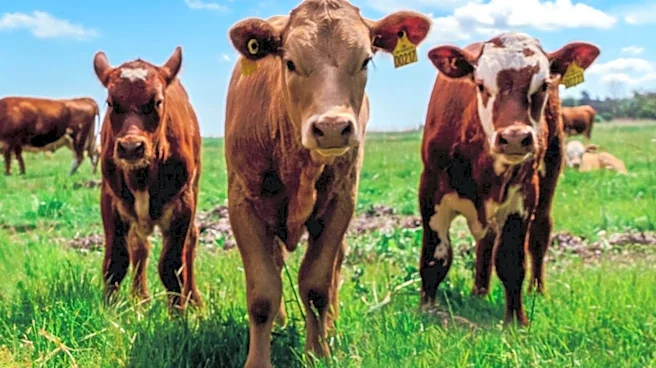
Rick Roberti, President of the California Cattlemen’s Association, highlighted a complex array of challenges confronting the state's cattle industry. In an interview with 'The Ag Meter,' Roberti discussed issues including increased beef imports, historically
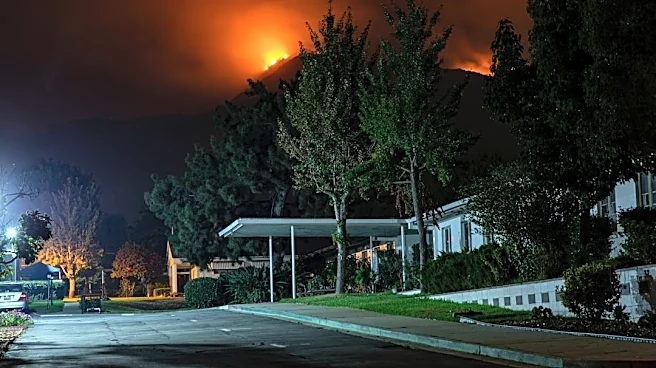
low cattle supplies, meatpacking concentration, wolf depredation, and rising energy costs. A significant concern he raised was the impact of wildfires and water scarcity. Roberti argued that California needs to enhance its water-storage capacity to better manage drought conditions and address the accumulation of brush and forest fuels that contribute to severe wildfires. He attributed heavier fuel loads in some areas to reduced grazing and changes in logging and forest-management practices, suggesting that improved management could benefit both wildfire prevention and water resources.
Why It's Important?
The challenges outlined by Rick Roberti underscore the multifaceted pressures on California's agricultural sector, particularly the cattle industry. Wildfires and water scarcity directly threaten ranching operations by destroying grazing lands, infrastructure, and livestock, while also increasing operational costs and uncertainty. The call for better forest management and increased water storage capacity points to systemic issues that affect not only agriculture but also broader environmental health and public safety in California. The interplay between reduced grazing and increased fuel loads highlights a complex ecological and economic dilemma, where traditional land management practices have been altered, potentially exacerbating wildfire risks. Addressing these issues is crucial for the sustainability of the cattle industry, food security, and the ecological resilience of the state.
What's Next?
The California Cattlemen’s Association, under Rick Roberti's leadership, will likely continue to advocate for policy changes addressing water storage, forest management, and wildfire prevention. This could involve lobbying for increased investment in water infrastructure and promoting land management practices that include controlled grazing to reduce fuel loads. Discussions around the economic viability of ranching, especially for the next generation, will also remain central. Stakeholders, including state agencies, environmental groups, and agricultural organizations, may engage in further dialogue to develop integrated solutions for water management and wildfire mitigation. The industry will also need to adapt to market dynamics, such as beef imports and supply chain issues, while navigating regulatory landscapes and environmental concerns.