





What's Happening?
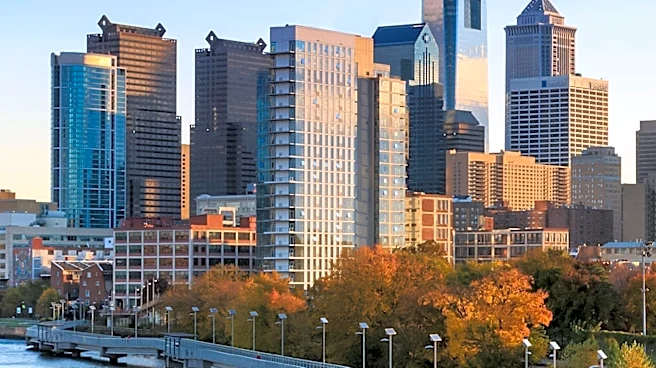
The Philadelphia office market recorded a mixed third quarter, characterized by overall negative absorption in both the central business district (CBD) and suburban areas. Despite this broader trend, specific submarkets demonstrated resilience. University
City, for instance, saw significant activity, including Burlington's acquisition and relocation of its headquarters to a 441,000 square foot space at 3151 Market St., a deal valued at $240 million. This activity, along with Monell Chemical Senses Center's move to One uCity and Nasdaq's lease renewal at FMC Tower, contributed to a decrease in office availability in University City from 22.3% to 19.5%. Conversely, the Navy Yard experienced an increase in its office vacancy rate to 20.7%, despite Hanwha's 64,400 square foot lease. The CBD registered 63,100 square feet of negative absorption in Q3, though year-to-date absorption remained positive, largely due to Chubb's build-to-suit headquarters. Suburban areas faced 187,000 square feet of negative absorption during the quarter. A notable trend emerging is the conversion of commercial properties into residential units, with projects like Sal Paone Builder's 159 townhomes in Plymouth Meeting and TriPoint Properties' 250 apartments in Malvern, indicating developers are addressing housing shortages by repurposing existing commercial structures.
Why It's Important?
The mixed performance of the Philadelphia office market highlights a significant shift in commercial real estate dynamics, with potential long-term implications for urban planning, property values, and local economies. The negative absorption in the CBD and suburbs suggests a broader challenge for traditional office spaces, possibly driven by evolving work models or economic pressures. However, the strong performance of submarkets like University City indicates that demand for well-located, modern office spaces, particularly those attracting major corporate headquarters, remains robust. The growing trend of converting commercial properties into residential units is particularly important. This not only addresses housing shortages but also signifies a strategic adaptation by developers to market demands, potentially revitalizing underutilized commercial areas. This repurposing could lead to more mixed-use developments, fostering vibrant communities and diversifying local tax bases. The success of these conversions could set a precedent for other cities facing similar challenges with aging or vacant office buildings, influencing future urban development strategies and investment patterns in commercial real estate.
What's Next?
The Philadelphia office market is likely to continue experiencing a divergence in performance between submarkets, with well-located and amenity-rich areas potentially outperforming older, less desirable office spaces. The trend of residential conversions is expected to accelerate, as developers navigate entitlement challenges to meet housing demand. This could lead to a reduction in the overall supply of office space in certain areas, potentially stabilizing or even increasing occupancy rates for remaining prime office properties. Local governments and urban planners may need to adapt zoning regulations and incentives to facilitate these conversions, balancing the need for housing with the preservation of commercial activity. Furthermore, the long-term impact of hybrid work models on office demand will continue to shape the market, influencing investment decisions and development strategies. Stakeholders, including property owners, developers, and city officials, will need to closely monitor these trends to adapt their strategies and ensure the continued economic vitality of Philadelphia's commercial real estate sector.
Beyond the Headlines
The transformation of Philadelphia's office market extends beyond mere vacancy rates, touching upon fundamental shifts in urban living and economic sustainability. The repurposing of commercial buildings into residential spaces reflects a broader societal move towards denser, more walkable urban environments, potentially reducing commute times and fostering local businesses. This trend also raises questions about the future identity of traditional business districts, which may evolve into mixed-use neighborhoods rather than solely commercial hubs. Ethically, these conversions could contribute to housing affordability, provided that a portion of the new residential units are designated as affordable housing. Legally, the process involves complex zoning changes and regulatory approvals, which can be a significant hurdle for developers. Culturally, the integration of residential and commercial spaces could lead to more vibrant and diverse urban communities, challenging the traditional separation of work and home life. This evolution could redefine the urban landscape, creating more resilient and adaptable cities in the face of changing economic and social dynamics.